
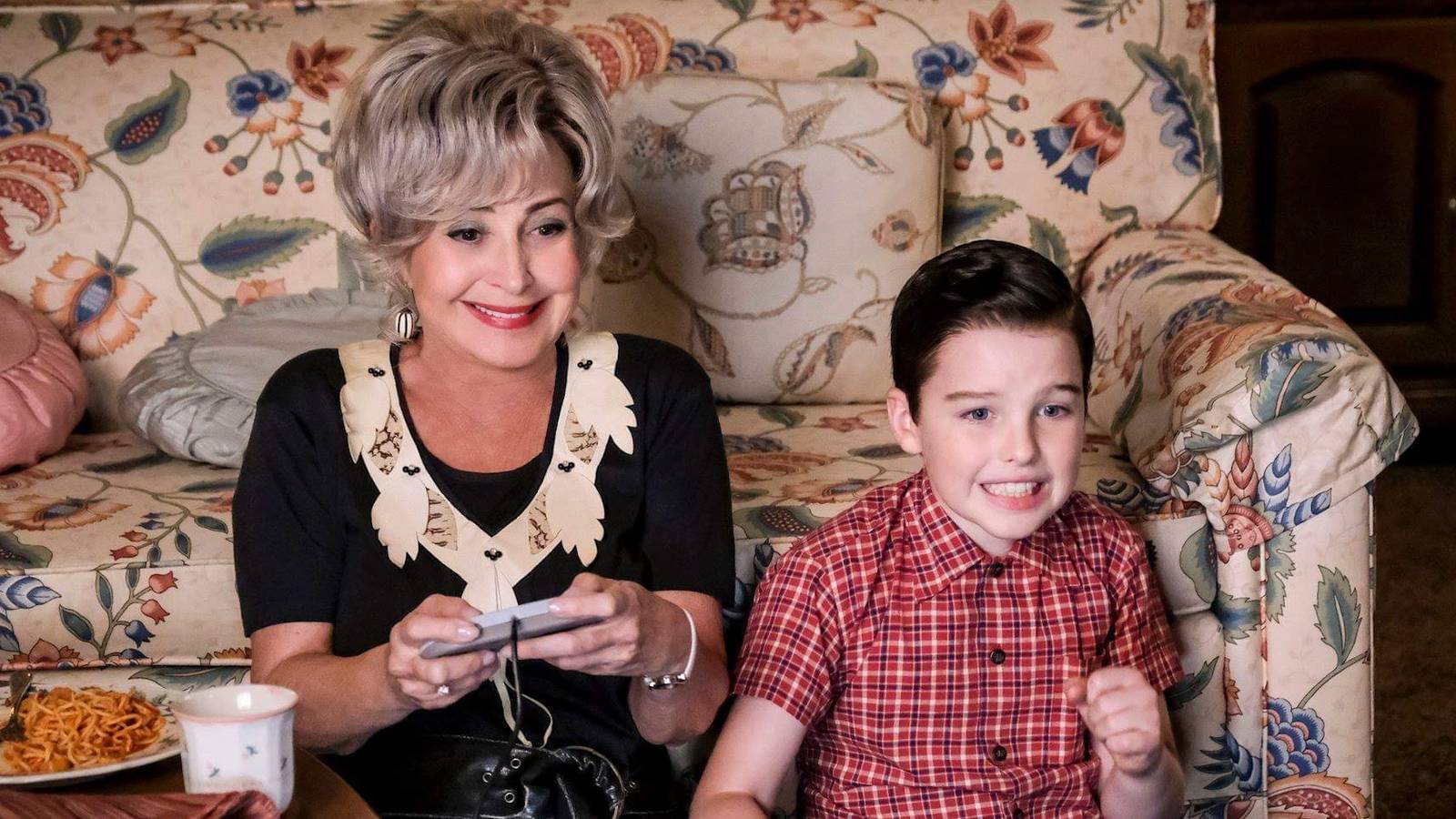
Published Sep 6, 2026, 12:31 PM EDT Cathal Gunning has been writing about movies, television, culture, and politics online and in print since 2017. He worked as a Senior Editor in Adbusters Media Foundation from 2018-2019 and wrote for WhatCulture in early 2020. He has been a Senior Features Writer for ScreenRant since 2020. While The Big Bang Theory’s Sheldon was often rude and thoughtless enough to qualify as the show’s villain, Young Sheldon’s greatest quote ever explained his future flaws perfectly. Sitcom characters have always trod a tricky line when it comes to likability. On the one hand, few viewers want to watch a show about genuinely terrible, irredeemably amoral people, or if they do, the show had better be as cleverly written as It’s Always Sunny in Philadelphia. On the other hand, no one wants a sitcom protagonist who is perfect, either, as this makes them less relatable as a result. Sitcom characters need to ideally exist in a valley between being idealized and deeply flawed, and can often slide too far toward one end or the other. When the Cheers spinoff Frasier first aired, the arrogance of Kelsey Grammer’s title character was a humanizing character flaw. For contemporary viewers, it could be a deal-breaker. In much the same way, while some viewers might find the oblivious naïveté of Parks and Recreation’s Leslie Knope charming, others might find it grating when contrasted with the show’s less charitable depiction of the general public. Perhaps the best recent case of this balance in action is The Big Bang Theory’s Sheldon Cooper, a character who was either the hero or the villain of the sitcom depending on each viewer’s interpretation. While Sheldon had some massive flaws, the prequel Young Sheldon did go a long way to explaining their origins. Young Sheldon Season 1 Episode 4 Features Sheldon’s Best Prequel Line Throughout all twelve seasons of The Big Bang Theory, Sheldon was arrogant, self-centered, narcissistic, callous, and thoughtless. He could also be remarkably generous, forgiving, and loyal at times, but his character flaws weren’t hard for viewers to identify. It is telling, for instance, that where the finales of Friends and How I Met Your Mother centered on their central couples finally getting together for good, The Big Bang Theory’s last episode focused on Sheldon finally thanking his friends and family for their support. The very fact that The Big Bang Theory’s Sheldon acknowledging the efforts of his nearest and dearest was a bigger deal than Penny and Leonard getting together tells viewers something about just how strikingly obstinate the character was. However, the prequel Young Sheldon proved that, far from being an inbuilt character flaw, Sheldon’s stubborn self-interest was born out of necessity thanks to his upbringing. Raised in a small, conservative, religious Texas town, it didn’t take Sheldon long to realize that he stuck out like a proverbial sore thumb. As early as season 1, episode 4, “A Therapist, a Comic Book, and a Breakfast Sausage,” Sheldon is sent to a therapist as he develops a fascination with comic books and an aversion to his usual breakfast foods. Seated in the therapist’s office, the show’s eponymous young hero opines that "What I find interesting is how so many supervillains are scientists,” before adding “If the world doesn't respect me, I might change sides.” This gag works fine as a throwaway punchline, but it also provides a subtle undergirding for Sheldon’s entire character arc throughout the prequel and the original show. While The Big Bang Theory’s later spinoff Stuart Fails to Save the Universe turned the franchise into a sci-fi comedy extravaganza, complete with parallel universes and magic, Young Sheldon took the opposite approach when the show expanded the sitcom’s world. Sheldon’s Greatest Young Sheldon Line Defined The Show’s Story MovieStillsDB Like Friends, Seinfeld, and How I Met Your Mother before it, The Big Bang Theory was primarily a hangout show, a brand of sitcom where the main appeal of the series is watching as a group of friends navigates work, love, and personal struggles throughout their 20s and 30s. The show’s main innovation was that, rather than following relatable but relatively glamorous young professionals, The Big Bang Theory squarely centered on self-professed nerds. Young Sheldon changed this dynamic profoundly, retreating to the comforts of the traditional family sitcom format. Even among family sitcoms, Young Sheldon was more conservative than most, eschewing the chaotic anarchy of The Simpsons for a nostalgic style that harkened back to The Wonder Years. The show’s sentimental vision of growing up in an idealized version of Southern suburbia was warmer and sweeter than The Big Bang Theory, except in one arena. Young Sheldon never made a secret of the fact that Sheldon was profoundly rejected by his community, and sometimes even by his own family as a result. Throughout the show’s first few seasons, Sheldon railed against small-town American values like organized religion, free market capitalism, and traditional education, and he was invariably castigated by townspeople who were remarkably unkind toward the show’s child hero. As a result, it is perhaps unsurprising to realize that, in retrospect, Sheldon sort of did follow through on his threat to become a villain. He may have never become as outright evil as Doctor Doom or another mad scientist from one of his childhood comics, but he did leave his hometown behind and never move back after his father’s death. He also spent years disparaging his hometown and family, and became much defensively more arrogant as an adult when, not coincidentally, he got a prestigious job as a professional scientist. Sheldon’s Best Quote Highlights His Complexity CBS (via MovieStillsDb) Sheldon’s claim that he might need to rail against the world if it failed to respect him wasn’t an empty threat, but rather some foreshadowing for the Sheldon of The Big Bang Theory. In context, the line is partially meant as just a sardonic joke, but it’s not one that the adults around him understand. This very disconnect is one of the prequel’s many reminders that, while Sheldon’s family and hometown are mostly sweet and well-meaning, they also make him feel alienated and this helps shape the defensive ego that defined him in The Big Bang Theory. Throughout Young Sheldon, the show’s narrator, an older version of Sheldon, looks back on his formative years with a bittersweet mix of pride and resentment. While The Big Bang Theory’s antihero clearly came to terms with the mixed blessings of his upbringing after the original show’s finale, the best quote from Young Sheldon proves that Sheldon wasn’t wrong to reject a community that unapologetically rejected him first. Release Date 2017 - 2024-00-00 Network CBS Directors Jon Favreau Cast Iain Armitage Sheldon Cooper
9 Years Later, Sheldon Cooper’s Best Young Sheldon Quote Is Still Undefeated In Sitcom History
Full Article
Original Source
Read the full article at Screenrant →KhanList aggregates and links to publicly available news content. We do not host full articles from third-party sources. Always verify important information with original sources.