
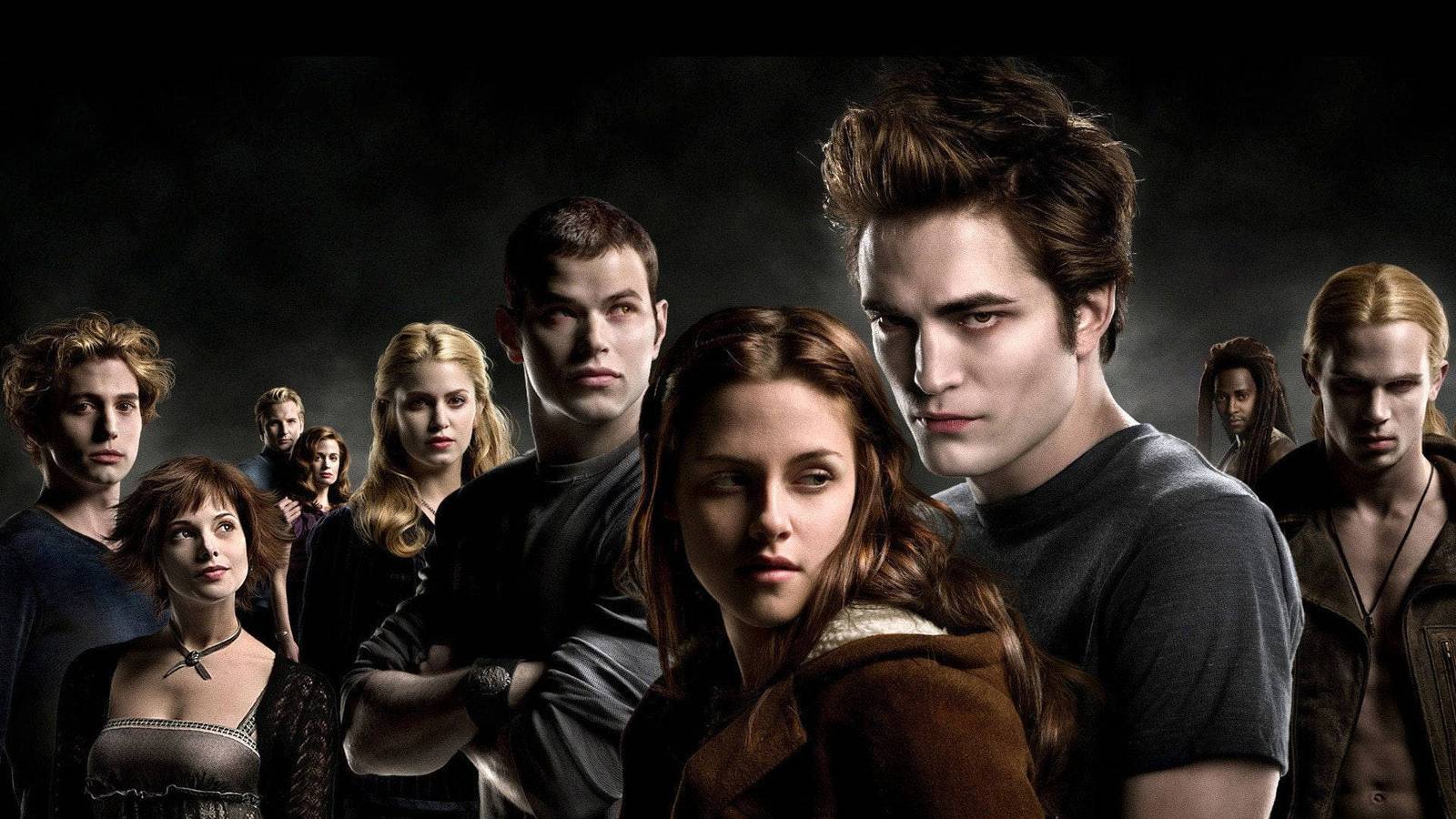
Published Oct 5, 2026, 8:01 AM EDT August is a freelance film writer. She studied journalism and cinema at American University. She is a member of the journalism honor society, Kappa Tau Alpha. August has written for various networks and publications, including PBS, Gargoyle Magazine, TheThings, and Identity Theory Magazine. Before returning to entertainment writing, August worked in the Automotive section of U.S. News & World Report. In her free time, August enjoys watching movies in theaters, watching movies at home, listening to podcasts about movies, reading books about movies, watching video essays on movies, talking about movies, thinking about movies, and doing crosswords. What began as an indie adaptation became one of the most lucrative and sweeping franchises of all time. Twilight dominated Hollywood in the mid 2000s, and effectively rewrote vampire lore in the 21st century. The cinematic saga continues to shape modern vampire media. Summit Entertainment released Twilight in 2008, based on Stephenie Meyer’s 2005 book of the same name. Though crucified in popular culture for Twilight's goofier elements, the teen-vampire love story amassed a fervent fanbase. The Catherine Hardwicke-directed film grossed $392.6 million at the worldwide box office upon its release, and launched a franchise. The entire five-film saga has amassed $1.3 billion, making it the twelfth highest grossing franchise in the U.S. (via Box Office Mojo). With its mass popularity came great influence. Though mocked by some—including its own cast—no one could deny Twilight's mighty impact on the vampire genre and Hollywood at-large. While writing her young adult romance series, Meyer took major liberties with traditional vampire "rules" and genre tropes. When the Twilight movies initiated a wave of vampire-mania, Meyer's unique interpretations effectively rewrote centuries-old vampire lore and redefined the vampire-movie subgenre in the modern era. The Twilight effect can still be seen on vampire media today, 14 years after the saga concluded. Twilight Popularized the Modern, Everyday Vampire One of the earliest and most influential vampire stories is Bram Stoker’s 1897 Gothic horror novel, Dracula. The popular story shaped early vampire films of the 1920s and '30s, which maintained a 19th century setting. As the centuries passed, vampire cinema largely kept its creatures in the 1800s. Even films set in the modern day maintained that vampires hailed from the 19th century, making them canonically ancient. Vampire flicks with a current-day setting used the contrast of ancient characters in a modern era for comedy or horror. Twilight changed the game by introducing the 21st century vampire. The Twilight bloodsuckers discarded the relics of their past lives and blended seamlessly into everyday society. They attended high school, wore Old Navy jeans, and drove Volvos. This allowed younger generations to connect more with vampires, as they were suddenly relatable or romantically attainable. The trend of everyday vampires took off withTwilight at the forefront, and influenced future films and TV shows, including The Vampire Diaries. Twilight Inspired Modern Vampire Fashion Twilight affectively defined the 2000s vampire, including what they wore. When tasked with dressing vampires for 2008, costume designer Wendy Chuck elevated the typical gothic vampire look into preppy teen fashion. She created a subtle homage to classic creature-feature costuming. Chuck moved from the traditional black and red vampire color scheme to a cool blue and gray pallet that conveyed death and iciness (via Twilight Movie Fashion Guide). For Edward Cullen, she exchanged the classic white button-up and black suit jacket or cape for a colored button-up and a grey peacoat. Popping the coat collar visually mimicked the traditional vampire capewhile keeping Edward en vogue and inconspicuous. Chuck's costuming hugely influenced modern vampire fashion. Future current-day vampire media pulled from the visual language of Twilight, employing cool tones and stylish peacoats. Twilight Suggested Vampire Could Survive Sunlight Meyer made numerous changes to traditional vampire lore. For one, the Twilight vampires are unharmed by the sun. While sunlight is famously lethal to vampires, in Meyer's imagination, it simply causes vamps' skin to sparkle. The only risk here is that the sun could expose the Cullens' true identity, forcing them to lie low on the few sunny days in Forks, Washington. When around those who know their secret, the vampire family can roam freely in the daylight. This change removed a major restriction to the story and allowed the characters to participate in everyday teen life. The sparkling skin is too closely associated with Twilight to appear in other vampire flicks. Still, the 2008 film popularized the possibility of vampire stories set during the day. The following vampire media found other avenues around the traditional sunlight rule, including "daywalker" loopholes. Twilight Changed the Way Vampires Turn People One of several major and lasting changes Meyer made to vampire lore was the manner in which humans are turned into vampires. Depending on the iteration, there are various rules for vampire transformations. Pre-Twilight, the commonly understood transformation process required a person to drink a vampire's blood before they died. A vampire bite alone would not turn someone into a bloodsucker themselves. In Twilight, vampires have venom that can turn someone into a vampire with a single bite—unless it is sucked out in time. Following The Twilight Saga, this alternative transformation process became the new normal for vampire features. Modern film adaptations of traditional vampire stories, such as Dracula or Nosferatu, revert to the traditional transformation rules of their source material. However, new vampire stories are now able to skip the step of drinking vampires' blood, and in some cases employ the concept of vampire venom. Twilight Turned Vampires into Heroes Credit: Summit Entertainment via MovieStillsDB Vampires were traditionally depicted as monsters and used to represent the cultural anxieties of the time. Twilight de-fanged its vampires, depicting them as superhuman heroes or angelic figures. In Twilight, vampires possess powers, including mind reading, super strength, or super speed. Using their powers for good, the Cullen family acts as an informal superhero squad. In the Twilight books, Bella Swan also describes Edward as an angel due to his soft features and protective energy. The film employs allusions to Christian iconography. In a classroom scene from the first film, Edward is framed directly in front of a stuffed snowy owl, giving him the appearance of having white wings. Edward is depicted in both the novel and films as a powerful guardian angel, using his superhuman powers to protect Bella. The intriguing idea of a benevolent vampire has since maintained cultural interest. Twilight Introduced The Vampire Romance Vampire movies first rose to popularity as creature features. They fell squarely into the horror genre, and were typically born from either Dracula or Nosferatu. By the 1970s and ‘80s, vampires had become sufficiently overplayed to become comedic fodder (via Deadline). Vampire parodies became the latest trend, with movies such as Blacula (1972) and Once Bitten (1985). The 1990s and early 2000s saw a shift to fantasy-action vampire movies such as Blade (1998) and Underworld (2003). In 2008, Twilight marked another genre shift, introducing the vampire romance. In this saga, vampirism acted as a star-crossed lovers device. The split between a vampire and a human created a forbidden love and placed Edward and Bella in a Romeo and Juliet dynamic. Following Twilight, additional forbidden love human-vampire flicks arrived, including Byzantium in 2012. Twilight inspired other fantasy films as well, including the human-zombie romance Warm Bodies (2013). Twilight Introduced Puritanical Morality into Vampire Lore Throughout storytelling history, vampires have been unholy arbiters of darkness. They were opposing forces to puritanical goodness that had to be thwarted with holy water or crosses, akin to devils and evil spirits. They indulged in a manner of sinful behavior, including sexual depravity and seduction. Twilight introduced the good or moral vampire. While in traditional vampire flicks, the central bloodsucker preyed on young women. Meyer’s adaptation saw a central vampire who thwarts a young woman's advances and practices abstinence until marriage. Edward refuses to touch Bella, or to change her into a vampire, until after they are married. In traditional vampire stories, vampires were evil by nature. In Twilight, it was not sinful to be a vampire, but to act on vampire urges. The Saga uniquely turned both sexual and killing desires into temptation, and made the Cullens martyrs for denying those urges. Twilight Made Killing People a Choice for Vampires Credit: MovieStillsDB Traditionally, vampires were inherently dangerous predators. In making vampires a part of everyday society and by instilling morality in them, Meyer then needed to distinguish ‘good’ and ‘evil’ vampires. To do so, the author introduced the “vegetarian” vampire lifestyle in which they survived off of animal blood. This made killing humans a choice. With animal blood being less satiating, the Cullens again became martyrs for abstaining. The clear moral line became; vampires who kill humans are evil and those who fight their urges are virtuous. The concept of a virtuous vampire continued to appear in media following Twilight. There are various ways in which modern vampire movies distinguish good and bad bloodsuckers. Some eat animals, some sip blood bags, and others only kill those who deserve it— as is the case in A Girl Walks Home Alone at Night (2014). In Humanist Vampire Seeking Consenting Suicidal Person (2023), the sympathetic central vampire searches for a consenting meal. Twilight Placed Vampires and Werewolves in the Same Universe Vampires and werewolves were once two distinct monsters, with little to no shared lore. Werewolves lore was passed down through oral storytelling before appearing in early cinema, including 1925’s Wolf Blood by silent Western star George Chesebro (via Wicked Horror). As the werewolf became a stereotypical monster figure, it began to appear in monster movies alongside Frankenstein, mummies, and vampires. Vampires and werewolves then appeared together in a few stories, including The Return of the Vampire (1944) and The Munsters series (1964). Twilight helped popularize the combined lore and waring faction dynamic of werewolves vs. vampires. This dynamic has since played out outside of the Twilight movies in various fantasy films and series. For example, Taika Waititi used it to great comedic effect in his 2014 improv-comedy film What We Do In The Shadows—with Rhys Darby as the leader of the werewolf gang.
9 Ways The Twilight Movies Changed Vampire Films Forever
Full Article
Original Source
Read the full article at Screenrant →KhanList aggregates and links to publicly available news content. We do not host full articles from third-party sources. Always verify important information with original sources.