
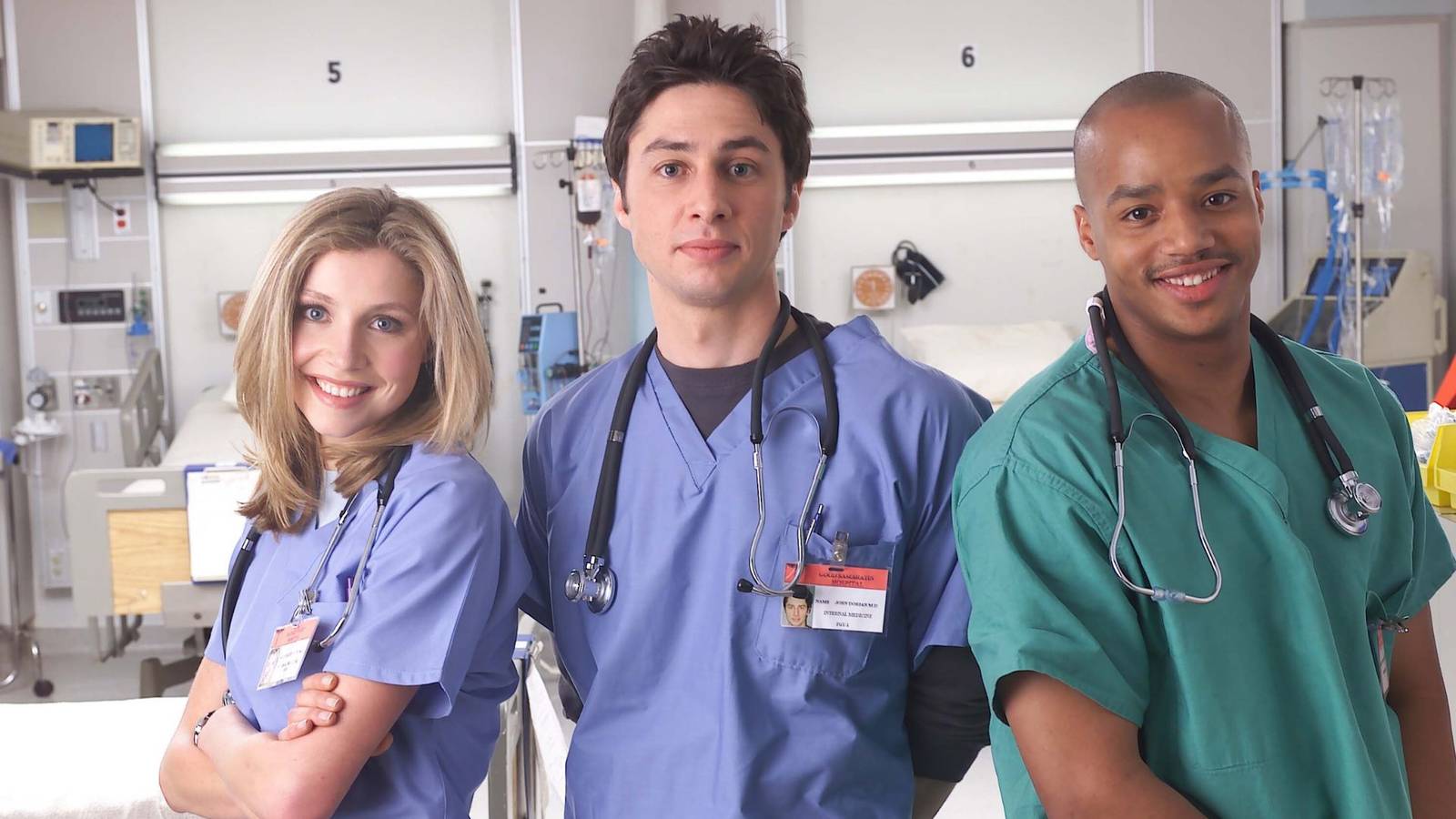
Published Oct 21, 2026, 9:00 PM EDT Faith Roswell is a Senior Writer on Screen Rant's Classic TV team. Since earning her degree in Creative Writing over a decade ago, Faith has written articles on film and TV from a variety of different angles. Faith now combines her knowledge of psychology with her love of monster movies to give more insight into what makes the best ones. You may have read her Screen Rant lists and features covering horror, sci-fi, and fantasy, or read her Amazon Top 10 book, "Movie Monsters of the Deep." Faith has had an extensive career as a writer, appearing on BBC live radio, researching true crime for Rotten Mango podcast, and writing for publications including Mental Floss, Atlas Obscura, and The Daily Jaws before beginning here at Screen Rant. The 2000s launched the Golden Age of prestige drama, including many of the universally regarded best TV shows of all time, like The Sopranos and Breaking Bad, as well as competition-based reality TV. With bingeable long-running TV series with seasons that could easily last for more than 20 episodes, complex characters that changed the way we write protagonists, and shows that aired before the introduction of streaming, the TV landscape looked very different in the 2000s. These 2000s TV shows accompanied the coming of age of 90s kids, the last generation that spent a childhood without the internet being a part of everyday life. On the surface, these iconic 2000s TV shows represent nostalgia for a pre-smartphone era, but they also highlight a culture before our current technology changed the way we tell stories, watch TV shows, and even talk about them. Not all 2000s TV shows have aged well while some are universally praised, but these ones remain especially beloved among 90s kids. Gilmore Girls Netflix via MovieStillsDB The cozy family drama made millennials flock to online quizzes and style guides to find out if we were more Lorelai or Rory. No matter how much heartache the show entailed, emotional scenes fans still cry over, and the realization that Rory Gilmore was often a terrible person, Gilmore Girls gave 90s kids a world they wanted to live in. California often dominated the US TV landscape, making Gilmore Girls a breath of fresh air, set in the leafy and aesthetic Connecticut, where everywhere looks like the perfect setting for a Fall date and everyone knows each other. Despite being set on the US East Coast, Gilmore Girls was mostly filmed in California. Gilmore Girls is a story about complicated mother and daughter relationships, class divides, and discovering yourself. Premiering in 2000, it coincided with the teen years for most 90s kids, who came of age around the same time as Rory, and were wrestling with some of the same decisions. Rewatching Gilmore Girls episodes today might not reflect the same life parallel as it once did, but the show's magic is still there. House MovieStillsDB Older generations know Hugh Laurie as an iconic comedian in British sketch shows like Blackadder, but many 90s kids discovered him in the role that will forever define him as an actor. Laurie played the arrogant, antagonistic genius Dr. Gregory House in House, the Sherlock Holmes-inspired medical drama that rewrote the rules for the genre. Not all episodes of House have aged well, but the ever-evolving dynamic between House's team of misfits was relatable, especially to people just learning to use sarcasm to disguise insecurity. House was often his own show's worst villain, and while rewatching the show highlights just how unlikable he often was, he is a defining figure of 2000s TV and surprisingly lovable when at his best. Even viewers who did not understand the hype about House himself might have seen themselves in other characters, like Thirteen, who provided some rare positive LGBT+ representation without feeling like a token character. TV has moved on since House, but she remains an important fan favorite. Supernatural Image courtesy of MovieStillsDb After defining a generation of supernatural TV fans, Buffy the Vampire Slayer ended in 2003, leaving a gap that only another long-running monster-filled emotional rollercoaster of a TV show could fill, and Supernatural delivered this just two years later. Few fantasy TV shows surpass Buffy, but Supernatural is one of the few series that could rival it in terms of scope, beginning with a similar monster-of-the-week format and evolving into an exploration of life, death, and human nature. Depending on their exact ages, kids who grew up in the 90s could see Sam and Dean Winchester as their fictional older brothers or as first crushes, and their charm and central relationship carried the show. It is a testament to Supernatural's enduring fan base that people still want to see more, with the story continuing in comic book form amid rumors that the much-requested Supernatural season 16 will one day be a reality. Avatar: The Last Airbender Credit: Nickelodeon/Paramount+ In the 90s and early 2000s, there were very few mainstream animated TV shows outside of comedies deliberately designed to appeal to viewers of all ages, but Avatar: the Last Airbender was ideal for family viewing, while challenging the idea that animated shows had to be aimed at children. Following a war brewing across four nations, ATLA treated children as capable of understanding themes like grief and redemption, and it would be many 90s kids' first experience watching a story this complex and dark told through animation. The three seasons of Avatar: The Last Airbender Season Year Rotten Tomatoes critics' rating Rotten Tomatoes audience rating 1 2005 100% 97% 2 2006 100% 99% 3 2007 100% 99% ATLA still hits some perfect notes for 90s kids. By capturing the "after school TV" feeling, the show is nostalgic and cozy to rewatch, and it has aged so well that, as many millennials are now parents themselves, it has been the ideal TV show to introduce their own children to. ATLA deserves its 100% positive Rotten Tomatoes score, and while it has a special place in the hearts of 90s kids, it is likely to be a staple of the next generations too. Scrubs ABC On the surface, Scrubs is a workplace drama with a surrealist twist. The show follows J.D., Turk, and Elliot as they navigate life in the Sacred Heart Hospital while training to become doctors, but features absurd humor, ridiculous fantasy sequences, and sudden gut punches that are unforgettable for years afterward, like Brendan Fraser's heartbreaking storyline. The series lasted for a decade, so many 90s kids would be gaining work experience at the same time the show aired. Even for viewers not pursuing a medical career, many of the storylines that centered on workplace antics, romances, and friendship struggles were extremely relatable. Returning to it as a fully-fledged adult with more life experience has arguably made the series even more of a staple and comfort watch for millennials, giving Scrubs the perfect excuse for a reboot. Malcolm In The Middle Malcolm in the Middle enjoyed a massive surge in popularity as Breaking Bad fans noticed that the terrifying Walter White (Bryan Cranston) was also dorky dad Hal in the 2000s sitcom about a large family, where the titular Malcolm is the middle child of five. Malcolm aged from about 12 to 18 in the show's original run, so people born in the late 80s but having a 90s childhood would have grown up alongside him. Paving the way for series like Everybody Hates Chris, Malcolm in the Middle is a better 2000s sitcom than anything made today, and it is hardly surprising that 90s kids still love it, with its reboot being well-received, while not equaling the original show. With a 91% positive audience score on Rotten Tomatoes, Malcolm in the Middle has aged extremely well, with its original audience also able to sympathize with the older characters 26 years later. Arrested Development Arrested Development resembled an early version of meme culture, being extremely quotable and sparking inside jokes and callbacks in later seasons, ensuring viewers went back to rewatch the series to get every nuance of the joke. Moments in early episodes would pay off much later, rewarding viewers who noticed the smaller details in the same way that TV shows like Lost and the transition to internet humor and memes would come to do. With 90s kids being among the first to embrace the internet's shared language of obscure references and running gags, Arrested Development was a little ahead of its time, resulting in a show that tapped into the emerging humor trend and grew funnier over time. That said, the later seasons have not aged as well as the first three, with some viewers preferring to remember Arrested Development as a three-season show. Lost Image courtesy of MovieStillsDb Fandom culture has existed for decades, with Star Trek conventions being one of the best-known examples. That said, Lost brought fandom culture to mainstream TV viewers, who had layers of puzzles and mysteries to discuss each week while waiting for the next episode. 90s kids were among the first to experience this as Lost changed the way we watch and relate to TV, inviting fans to participate in a worldwide conversation about what was going on. Fan theories are now expected with mystery-based TV shows, but the approach stood out at the time, making viewers feel like part of an enormous community, and if there is anything more difficult than replicating an iconic show, it is replicating how it made its audience feel. Lost was part of a cultural moment that cannot be recreated, except by rewatching the series, which remains a beloved genre-bending masterpiece among 90s kids today. Firefly MovieStillsDB The theme of embracing found family rather than strict blood relationships was a common theme in both 90s childrens' TV shows and the series that their viewers then watched as a teen or young adult. Following the crew of misfits living onboard the spaceship Serenity, Firefly was the ultimate found family TV show, and with Joss Whedon going from strength to strength after Buffy, despite the filmmaker being less popular today, Firefly looked set to be the next generation's defining sci-fi franchise. With Firefly being canceled after one season, its fans have been campaigning for its revival ever since, and the upcoming Firefly reboot series will potentially give viewers some more chapters in the story. Even so, the show's initial cancelation represents the ultimate cult classic tragedy, with the attempt at bringing back Firefly likely being the first time 90s kids had used fan culture in this way, forming a blueprint for attempts at saving other shows, like The Expanse, which resulted in greater success.
9 TV Shows From The 2000s That '90s Kids Still Love Today
Full Article
Original Source
Read the full article at Screenrant →KhanList aggregates and links to publicly available news content. We do not host full articles from third-party sources. Always verify important information with original sources.