
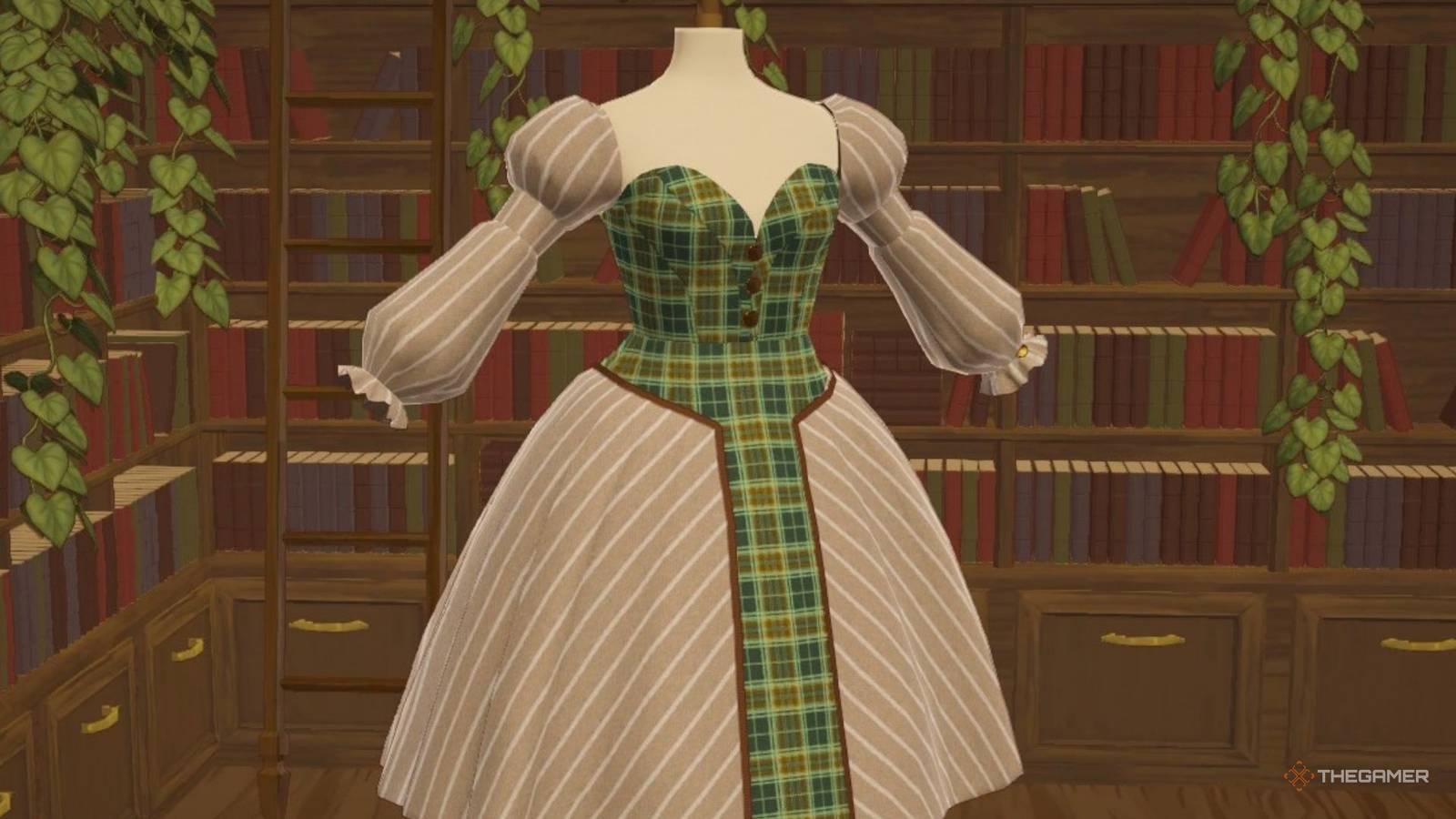
Dressmaker: 8 Beginner Tips Published Sep 30, 2026, 10:43 PM EDT Allyson Cochran is a Chicago-based Editor at TheGamer who has worked as a journalist since 2020 and in games journalism since 2022. She holds a bachelor’s degree in journalism and focuses primarily on guides, previews, and developer interviews, with particular expertise in cozy indie games and live-service FPS titles. She has interviewed numerous game directors, including those of games like Overwatch and Dead by Daylight. Allyson has written and edited thousands of guides, and she genuinely loves every minute of it. Dressmaker has a lot going on for a game about making pretty dresses. Between drafting patterns and trying to keep customers happy, there is plenty to learn once you get started. The basics are easy enough to pick up, but a few of the game's systems are less obvious than they appear at first. It is also very easy to overthink a design when you are still figuring out how all the different pieces affect the final result. Luckily, you do not need to be a master seamstress from day one. These beginner tips will help you get more comfortable with Dressmaker, avoid some common frustrations, and make the whole process feel a bit less intimidating. Turn On Sewing Assist If You Need It Sewing can be one of the more fiddly parts of Dressmaker, especially when you are manually turning your character around while trying to keep your stitching accurate. If you find yourself spending more time fighting the controls than actually enjoying the sewing, head into the settings and turn on Sewing Assist. Sewing Assist takes some of the manual work out of the process, so you can focus more on the construction of the garment. There is no reason to make sewing unnecessarily frustrating when the game gives you a tool to make it more manageable. Check How Much Fabric You Need Before Buying When you draft a pattern, the game gives you an approximate amount of fabric needed at the bottom of the pattern screen before you finish it. Pay attention to this number before committing to a design. The estimate gives you a much better idea of how much fabric you should purchase, which can save you from coming up short later. This becomes particularly useful once you start working with larger or more elaborate garments that require more material. Slow Down Around Curves And Corners Sewing accuracy matters a lot, but you do not need to crawl through every straight section of a pattern. Going full speed through a long, straightforward section is generally fine. Curves and corners are where you want to slow things down. Small corrections are much easier to make when you are moving carefully. If you rush through a tricky curve and end up with a long section of inaccurate stitching, fixing the mistake can be considerably more annoying than simply taking your time in the first place. Style tags are important when you are trying to meet a customer's requirements, but they should not dictate every single decision you make. The bodice, collar, sleeves, and skirt already contribute plenty to the overall style values of a dress. Fabric can push those numbers even further, so think about the complete garment rather than trying to force every individual component to match the requested style. Sometimes the right combination of clothing pieces gets you most of the way there before you even start making adjustments with your fabric choice. You Can Sell A Dress That Misses The Requirements Not every dress is going to be a perfect match for your customer, especially while you are still learning the systems. If you finish a design and realize that it does not meet the customer's requirements, you are not necessarily stuck with a useless garment. You can sell the finished dress instead. It may not be the outcome you originally wanted, but it gives you a way to recover some value from a design that did not quite work out rather than leaving it sitting around your shop. Perfect Grain Is Not Always Necessary Getting the grain perfectly aligned can be useful if you are specifically going for the achievement, but you do not need perfect grain on every dress you make. As long as the finished garment's quality is above the minimum required by the customer, you can still successfully satisfy the order. Sometimes it is actually more useful to cut your fabric optimally and save material rather than obsessing over perfect grain. This matters even more when you are working with expensive or limited fabric, where wasting material can hurt considerably more than a slightly less-than-perfect cut. The fabric and accessory selections can get overwhelming as your collection grows, so make liberal use of the filters when shopping. Instead of manually scrolling through everything you own, narrow the selection down based on the qualities you are actually looking for. This is especially helpful when you are trying to find something that fits a particular style or requirement. A few seconds spent filtering can save you from digging through a huge collection every time you start a new design. Use Accessories To Fine-Tune Your Stats Accessories like lace trim can be useful when you are only a little short on a particular style stat. Rather than redesigning the entire dress to push one number higher, adding the right accessory can give you the small boost you need to meet the requirement.
8 Tips And Tricks For Dressmaker
Full Article
Original Source
Read the full article at Thegamer →KhanList aggregates and links to publicly available news content. We do not host full articles from third-party sources. Always verify important information with original sources.