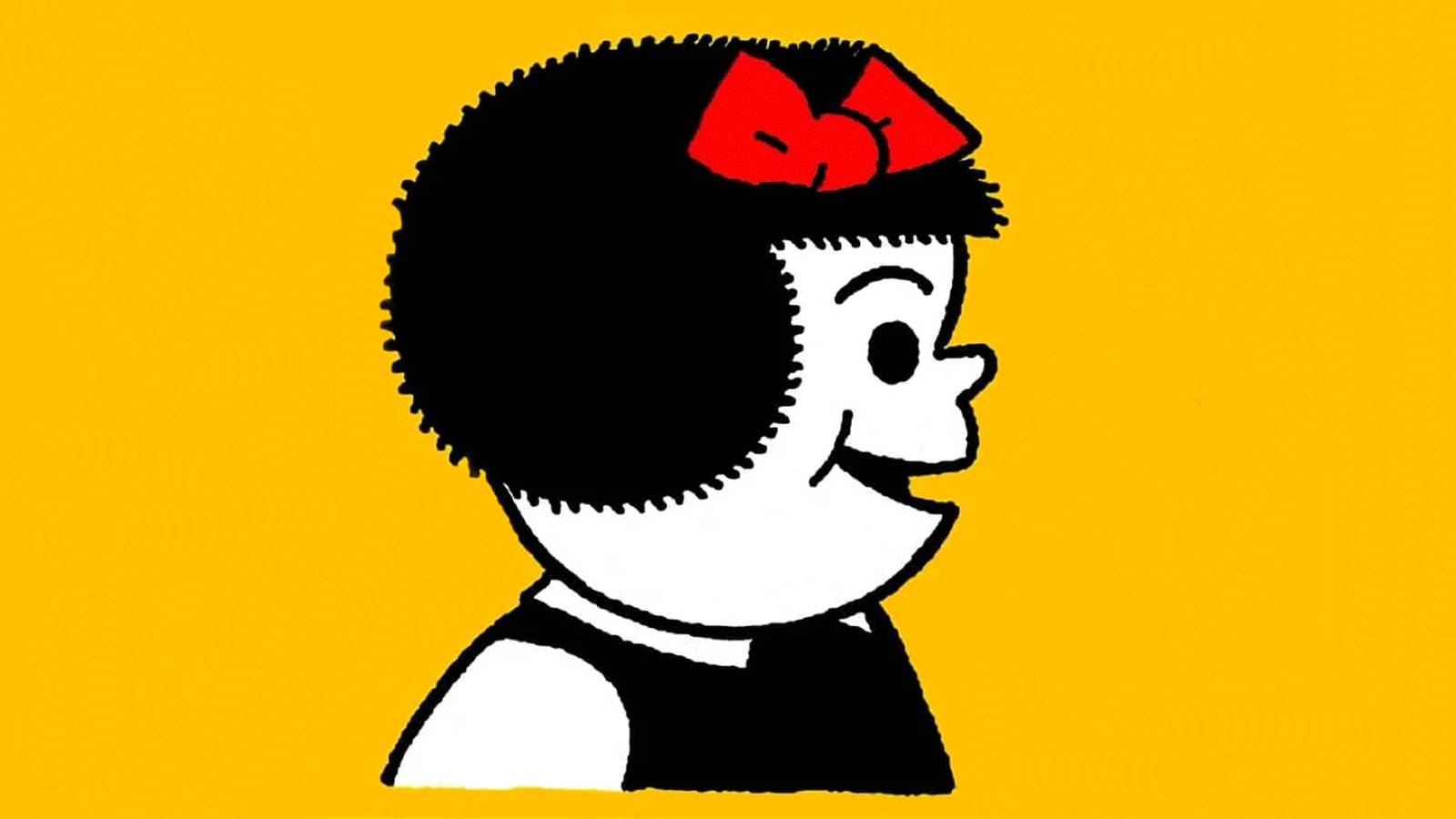
Published Aug 14, 2026, 9:00 AM EDT Nicolas Ayala is a Senior Writer for the Comics team at ScreenRant, with over five years of experience writing about Superhero media, action movies, and TV shows. Although Nancy isn't as famous as her fellow comic strip stars, she has delivered countless clever gags that have only become better with time. Each of the most famous comic strips finds comedy through a very different relationship between its characters and the world around them. Peanuts draws its humor from the bittersweet gap between childhood hopes and reality, Calvin and Hobbes gives its young protagonist an expansive imagination that transforms ordinary life into elaborate adventures, The Far Side pushes everyday situations toward absurdity, and Garfield builds much of its comedy around cynicism and the frustrations of domestic life. Nancy sits closer to the tradition of classic gag strips, with exceptionally simple premises that reach an effective punchline within a few panels. Nancy's world is remarkably ordinary, which makes the sudden appearance of an ingenious loophole all the more hilarious. The economy of Nancy's comedy provides a different flavor from Peanuts' more character-driven introspection or Calvin and Hobbes' philosophical imagination. Nancy is mischievous, clever, and occasionally rebellious, but she approaches the world with the directness of a child who genuinely believes her solution makes perfect sense. The best Nancy gags also trust the reader to discover the joke, often with a tiny shift in perspective to enjoy the full punchline. As Nancy approaches a full century of history, many of her funniest strips are just as clever as they were at the moment of publication, or even more so. 8 Nancy And Sluggo Turn Signs Into Rackets Nancy And Sluggo Are Irreverent And Creative Nancy and Sluggo interpret adult situations very differently to the grown-ups around them. Once an adult tells them to follow the rules, they do exactly what children might do when given the chance: bend the rules into new games. Nancy and Sluggo don't need to deliberately disobey the officer to mock authority. Just by twisting his words, they accept his suggestion in the most literal and imaginative way possible and keep having fun. Like in most Nancy gags, Ernie Bushmiller doesn't use elaborate dialogue or a complicated setup to deliver a relatable punchline. Two signs, two children, and one well-meaning authority figure are enough. Adults may recognize the absurdity of their interpretation, and anyone who has watched a child transform an ordinary object into part of a game can recognize the impulse behind it. 7 Nancy Plays With Surrealism Self-Aware Comic Book Superheroes Have Nothing On Nancy Every once in a while, Nancy's naturally clever mind extends beyond her world. Nancy casually admits that “anything” can happen in her own comic strip, so she rotates each panel with her still inside. The medium itself has become Nancy's playground, and she never reacts with surprise or confusion. She simply keeps walking and finishes her thought, knowing that her increasingly distorted world is whatever she wants it to be. Nancy approaches the comic page with the same freedom she brings to regular imaginative play, with normal rules of the world that can change whenever the game demands it. The only difference is that, unlike real children, Nancy can use her imagination to actually alter her world. Decades later, the concept still works just as well as it did when it was first published, even in a medium that has been taken over by self-aware comic book superheroes who use the same godlike ability as a superpower in their respective universes. 6 Nancy Is Seen, Not Heard Nancy Plays By The Rules To Prove A Point Nancy's mom assumes that, like the old-fashioned saying suggests, a well-behaved child should be nice and quiet only so the adults can appreciate their adorable appearance, but not witness their chaotic playfulness or listen to their opinions. In typical Nancy fashion, Nancy takes the instruction with the kind of literal-minded creativity that makes her unique. So, she follows the rule a little bit too enthusiastically and fills her living room with pictures of herself. If adults only want to see her in silence, they won't be able to avoid seeing her face. This strip also fits Bushmiller's larger portrait of Nancy as a child who can challenge adult authority through simple, perfectly timed actions. Her rebellion has a wonderfully innocent quality, as Nancy simply takes an adult expectation seriously enough to reveal the silliness underneath. Nancy can push back against etiquette and authority, but always with an undeniably solid argument behind her rebellious acts. Adults around her can't say she isn't right; only that society doesn't work the way she expects it to. 5 Sluggo Is Kind To The Fish Sluggo Was Already Taking His Time To Love Animals Eight Decades Ago Ernie Bushmiller gives Sluggo a surprisingly tender moment with the revelation that his instinct is to care for animals even when nobody expects him to. During “Be Kind to Animals Week,” Sluggo visits a pond with the sole goal of feeding a school of fish with the same fishing rod others use to hunt them. Sluggo takes the campaign's message completely to heart, with no interest in turning the animals into prizes or food. There's something especially sweet about the fact that Sluggo doesn't feel the need to announce his compassion. He quietly finds a way to enjoy the pond while making sure the fish benefit from his presence. They were barely considered living creatures long before the most famous comic strips were created, and yet fish are still treated as an afterthought even now, given how rarely they receive the same emotional consideration as dogs, cats, birds, or other familiar animals. Sluggo's interpretation of “be kind to animals” includes the creatures beneath the surface. Despite his mischievous reputation, Sluggo has a heart of gold, especially considering that he understands what it feels like to be hungry, more than any other Nancy character. 4 Nancy Comes Down The Stairs Like A Lady Nancy Makes A Silent Statement Nancy's most rebellious gag turns a simple instruction about feminine behavior into a perfect act of defiance. Rather than delivering a lengthy speech or planning out a complex gotcha, Nancy simply decides to satisfy her mother's request according to her own rules. Nancy's expression makes the joke even better. She looks completely self-assured, almost as though she has solved a problem that her mother never realized she had posed. Nancy has an instinct for pushing against adult expectations, though her methods tend to come from innocent curiosity rather than any serious desire to cause trouble. In this case, she turns the idea of “ladylike” behavior into a personal game and quietly asserts control over how she expresses herself. Nancy remains entirely herself while she refuses to accept that femininity has to be limited to restraint and obedience. 3 Nancy Buys Something For The One She Loves Nancy Has Her Priorities Straight There's a refreshing innocence to Nancy's interpretation of love. She loves herself enough to consider herself worthy of the same little pleasures that advertisements encourage people to purchase for others. Nancy has always possessed a strong sense of independence, and here that confidence turns an ordinary piece of consumer advice into an excuse to enjoy her favorite treat. Her expression in the final panel is one of pure joy. She feels no guilt about her choice, and she certainly doesn't seem to think she has misunderstood the sign. Nancy's ice cream gift has gained an even more interesting resonance decades after its publication, particularly in a culture where free time is going extinct, with work and social media making leisure extremely limited. Modern life has also turned affection into another obligation, where every special occasion, and even ordinary expressions of appreciation, are focused almost exclusively on overblown purchases. Nancy sidesteps the cycle and finds value in something as simple as a cup of ice cream, her favorite small pleasure in life. 2 Nancy Rides A Hoverboard While Saying 'Sluggo is Lit' Nancy's Modernization Is Only Funnier With Time Olivia Jaimes' then-viral “Sluggo Is Lit” panel captures Nancy at her most delightfully oblivious to the passage of time. Nancy rides a hoverboard while holding a selfie stick, wearing party sunglasses and announcing that Sluggo is “lit” with absolute confidence. When the panel first went viral, its humor came partly from how perfectly it captured the slang of the moment. Nearly a decade later, the single-panel strip now serves as a time capsule of trends that pop culture has already discarded. Nancy's "Sluggo is lit" strip's dated quality is precisely what makes it even funnier now. Nancy has no idea that any of it will age poorly, and her unwavering confidence makes it authentic to her character. Now, its cringe factor is part of the joke, whether intentional or otherwise. Every five to ten years, Nancy could do the same with the trends of the moment, and she wouldn't care less whether she becomes hilariously unfashionable or not. 1 Nancy And The Banker Go To The Circus Nancy's Circus Trip Is Her Most Wholesome Gag Nancy's innocence and kindness drive what might be the most popular strip in Nancy's nine-decade history, shown in the way she approaches the banker as a person rather than through whatever imposing image his profession might suggest. The banker, in turn, gets swept into the excitement of the circus alongside her, revealing a side of adulthood that often disappears beneath professionalism, wealth, and social expectations. Their interaction is a celebration of uncomplicated happiness, as Nancy gets to enjoy the spectacle with someone who appreciates it alongside her, while the banker gets a chance to reconnect with the sense of wonder that children experience so naturally. This specific gag's popularity makes sense in an era when comic strips are rediscovered through individual panels or short sequences. Its premise is immediately understandable, and the emotional payoff is straightforward. In fact, part of why the gag is so effective is that it subverts the expectations of a clever twist or a hidden double meaning. Nancy's innocent invitation goes just like she thought, and the banker enjoys a nice break from his job. Two dollars being able to cover two tickets to the circus and two ice creams is a different matter, though. What's your favorite Nancy gag?
8 Timeless Nancy Strips That Are Aging Like Fine-Wine
Full Article
Original Source
Read the full article at Screenrant →KhanList aggregates and links to publicly available news content. We do not host full articles from third-party sources. Always verify important information with original sources.