
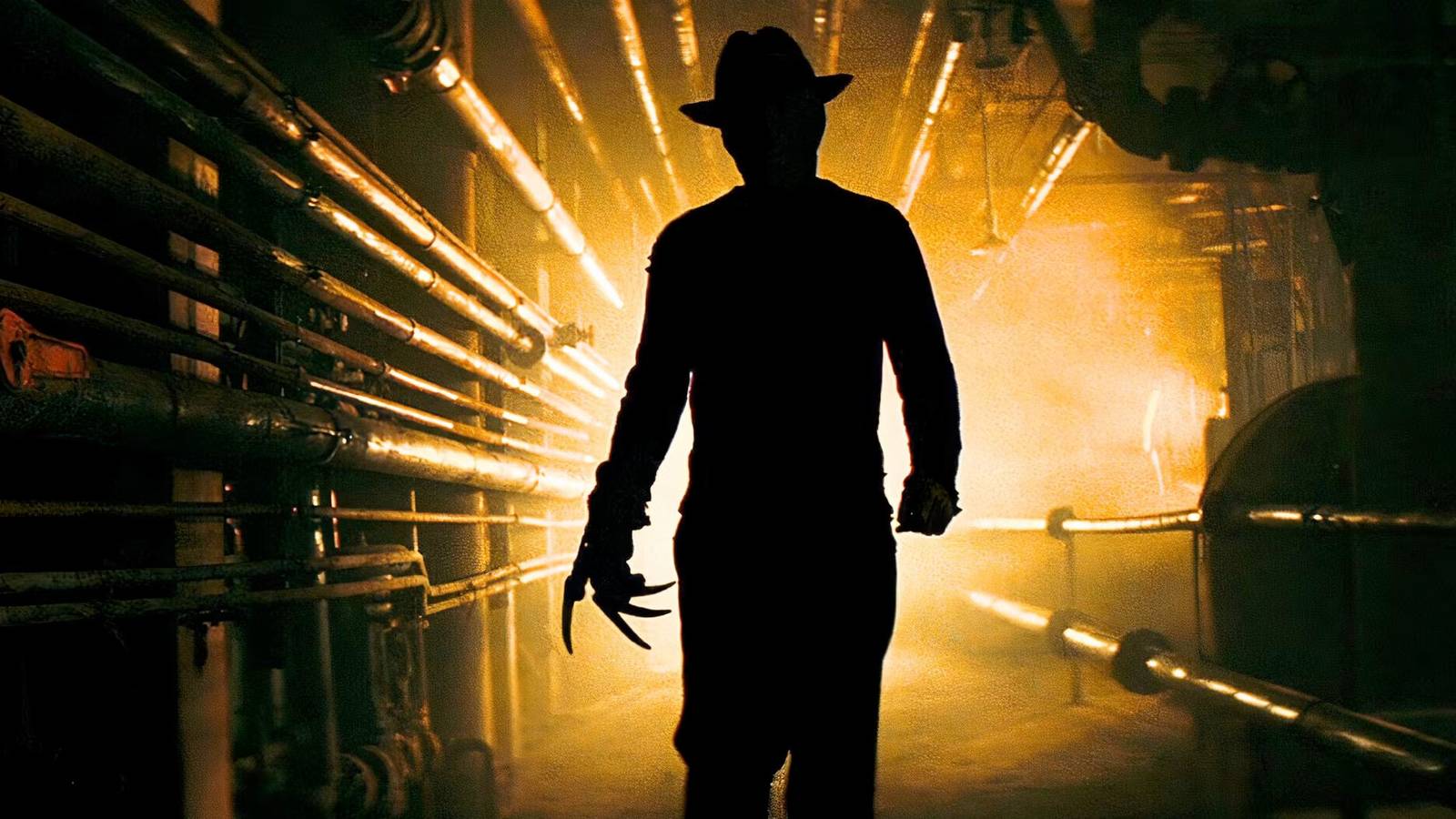
Published Oct 4, 2026, 5:00 PM EDT Richard Craig is a Senior Author at Screen Rant covering film and TV. Richard has also written extensively about horror and film soundtracks, contributing a chapter to the first major academic collection on the folk horror genre, The Routledge Companion to Folk Horror. Richard is also a performing musician and holds an MA in Music and Sound Art. Horror remakes have a particularly difficult job. Unlike remakes of dramas or action movies, they are often judged against something more intangible than plot, characters, or spectacle: atmosphere. A great horror movie can make an ordinary house feel sinister, turn a familiar sound into a source of dread, or leave an audience frightened precisely because it refuses to explain what is happening. That makes certain classics surprisingly difficult to remake. Simply reproducing their stories, monsters, or famous scenes does not necessarily recreate what made them frightening. Some remakes have attempted radical reinventions, others adhered so closely to their sources that they seem almost afraid to make their own creative decisions. Both approaches can fail when filmmakers misunderstand which elements of the original were actually doing the heavy lifting. Indeed, often the problem is not that a remake changes too much, but that it changes the wrong things. The following eight remakes demonstrate different versions of the same problem. Each takes a horror classic with a distinctive identity and removes, changes, or misunderstands an ingredient that was central to its effectiveness. The Wicker Man (2006) Robin Hardy's British horror classic The Wicker Man is impossible to separate from its folk music soundtrack. The songs establish Summerisle's history, rituals, sexuality, relationship with nature, and pre-Christian traditions. They make the community welcoming and deeply strange at the same time. The 2006 remake relocates the story from Scotland to the Pacific Northwest and largely replaces that musical identity with Angelo Badalamenti's atmospheric score. The original soundtrack was designed without electronic sounds and with Scottish folk origins. The songs actively drive the narrative and create an atmosphere that is both attractive and threatening. The music makes Summerisle sound like a living folk culture rather than a collection of eccentric villagers. The Wicker Man remake loses that sense of folk history, leaving its community feeling artificial and lessening the culture clash element even further. They don't even sing during the Wicker Man burning (the bees were from a deleted scene), completely losing that iconic, chilling finale with the residents singing in the spring as Howie burns. A Nightmare On Elm Street (2010) Robert Englund's Freddy Krueger in A Nightmare on Elm Street became iconic because he had a personality. He was terrifying, but also sarcastic, theatrical, playful and sadistic. His jokes made him unpredictable, and Freddy clearly enjoyed controlling his victims' nightmares. Jackie Earle Haley's Freddy is much more serious. The Nightmare on Elm Street remake emphasizes his history as a child predator and makes him considerably less playful. Haley is physically intimidating, but the character loses the mischievous personality that separated Freddy from generic slasher villains. It makes the dream sequences feel more mechanical. The claws, burned face, distorted voice and sudden attacks remain, but the villain behind them feels hollow. The remake makes Freddy darker without making him more effective. By explaining more of his past and removing much of his personality, A Nightmare on Elm Street (2010) turns one of horror's most memorable villains into a more straightforward monster. The Haunting (1999) Robert Wise's 1963 The Haunting understood that supernatural horror works best when the audience is not shown everything. Shirley Jackson's source material thrives on uncertainty, and Wise uses sound, architecture, shadows and the characters' reactions to suggest that Hill House may be alive without constantly proving it. Jan de Bont's The Haunting remake does the opposite. Hill House becomes a visual-effects showcase in which doors buckle, faces appear in architecture, objects move and ghosts are repeatedly shown. The elaborate history of Hugh Crain also explains much of what is happening. A haunted house is frightening when a noise upstairs could be supernatural or completely ordinary. The audience's imagination supplies possibilities that effects shots cannot. Once the remake establishes exactly what is haunting Hill House, uncertainty disappears. The 1963 Haunting makes the house threatening because it cannot be understood. The 1999 version keeps explaining it, producing lavish gothic fantasy rather than subtle psychological horror. Psycho (1998) Gus Van Sant's Psycho is the ultimate example of a remake discovering that copying a classic is not the same as recreating its magic. The 1998 film follows Alfred Hitchcock's 1960 original almost shot for shot, reproducing its dialogue, staging and camera movements. That experiment makes the differences in performance impossible to ignore. Anthony Perkins' Norman Bates is one of horror's great performances because Perkins makes him shy, nervous, lonely and polite while allowing something disturbing to emerge underneath. His behavior changes subtly as Marion Crane's arrival exposes the tensions inside him. Vince Vaughn's interpretation is much more openly strange and physically imposing. Even with the same material, Norman feels different. Indeed, the performances, editing, sound, pacing and chemistry cannot be duplicated simply by placing the camera in the same positions. Psycho's suspense came from Hitchcock's direction and an exceptional cast, particularly Perkins. Recreating Psycho's blueprint without reproducing that chemistry makes the remake largely pointless Halloween (2007) Rob Zombie's Halloween makes one of the biggest possible changes to the original by explaining Michael Myers. John Carpenter's 1978 film deliberately leaves Michael's origins and psychology largely mysterious. Dr. Loomis sees something evil in him, but the audience never receives a neat explanation for why he became The Shape. Zombie spends substantial time showing Michael's childhood, abusive home life, bullying, animal cruelty and family dysfunction. It also establishes that Michael and Laurie Strode are siblings. That gives the killer a clearer human history but removes much of his mystery. The remake also makes its protagonists considerably harder to like. Zombie's Halloween is filled with crude, aggressive and frequently unpleasant characters, while Laurie's life is presented within a much rougher environment than Carpenter's ordinary suburbia. The original's horror comes partly from Michael's intrusion into normal life. Haddonfield looks familiar, Laurie is sympathetic, and Michael is inexplicable. Zombie gives Michael a detailed explanation and surrounds him with people who audiences don’t care about. When A Stranger Calls (2006) The original When a Stranger Calls has one of horror's most famous openings. For roughly 20 minutes, babysitter Jill Johnson receives threatening phone calls while babysitting children. In the iconic climax, Jill is informed that the phone call (and the killer) is coming from inside the house. This unforgettable scene then leads to the movie’s primary narrative, where the caller reappears. The 2006 remake takes that opening and stretches it across almost the entire runtime. It creates an obvious structural problem. The original sequence works because it is concentrated. Every phone call increases the tension, and the mystery keeps narrowing around Jill. Once the same situation sustains an entire movie, there is little left to do except repeat the calls, have Jill investigate noises, and move her around the house. Modern technology creates another problem. Because cell phones exist in 2006, When a Stranger Calls repeatedly needs excuses for Jill not to call for help. The remake takes one of horror's most effective short-form premises and pads it into a lethargic and underwhelming feature, fully exhausted of any suspense. The Fog (2005) John Carpenter's The Fog is built around the unknown. The title itself describes the film's greatest horror device, namely that audiences cannot see through it. Something is approaching, but its exact appearance, distance and intentions are obscured. The 2005 remake repeatedly undermines that idea by making its ghosts increasingly explicit. Rupert Wainwright's The Fog adds more backstory, mythology and romance while using visual effects to show the supernatural threat rather than allowing it to remain unseen. Carpenter's original works because the fog creates possibilities and the less the audience knows, the more threatening it becomes. The Fog remake also over explains the backstory, undermining the mystery further. It treats the fog as a revenge delivery system for visible supernatural attackers. Carpenter understood that the unknown is often scarier than a monster that can be clearly seen and understood. The Last House On The Left (2009) Wes Craven's The Last House on the Left is remembered for its relentless cruelty, with the underlying message being that inhumanity can be infectious with the right circumstances. In the original, Mari's brutal death fundamentally rocks her parents before they discover that the people responsible have entered their home. Their subsequent killing spree is spurned by their grief, which has nudged them over the line of morality. The whole point of the movie is how ordinary people can commit evil acts when pushed to it. The 2009 Last House on the Left remake changes that by allowing Mari to survive her attack. It gives the remake a stronger survival-thriller element, but it also changes the emotional foundation of the parents' revenge. Their priority becomes saving and protecting Mari from the killers in the house rather than punishing the attackers. It completely removes the moral conflict that makes Craven's original horror so groundbreaking. Release Date March 13, 2009 Runtime 83 minutes Director Dennis Iliadis Cast Tony Goldwyn John Collingwood Monica Potter Emma Collingwood Writers Carl Ellsworth, Wes Craven, Adam Alleca Producers Marianne Maddalena, Sean S. Cunningham, Wes Craven
8 Notorious Horror Remakes And Why They Failed
Full Article
Original Source
Read the full article at Screenrant →KhanList aggregates and links to publicly available news content. We do not host full articles from third-party sources. Always verify important information with original sources.