
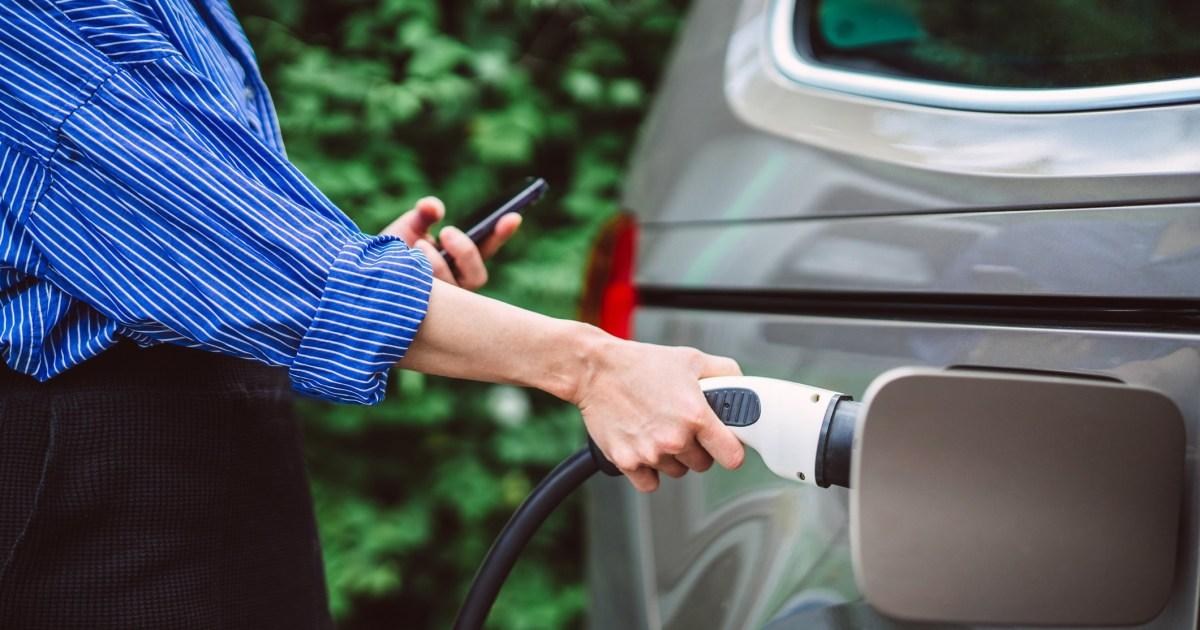
Thinking about switching to an electric vehicle? There are a few things to consider (Picture: Getty Images) In the early days of the electric car, they were mainly the preserve of the wealthy, as costs were high and charging points were few and far between. These days, though, electric vehicles (EVs) are becoming increasingly mainstream. Prices are falling, running costs are shrinking, and charging is becoming increasingly accessible, with readily available points. Today, you can pick one up for a competitive price, charge it on the cheap at home with dedicated energy tariffs, and adopt simple strategies to cut running costs further. While there are still financial factors to consider — from charging to maintenance — these tips can help keep EV ownership as economical as possible. It all starts with the right model A few years ago, most fully electric cars were priced well above £30,000. But declining battery costs, stronger competition and government incentives have shifted the market, meaning genuinely affordable EVs are now widely available to UK buyers. Before you do anything else, though, Alex Lee, motoring expert at Dick Lovett, says it’s important to consider what you’ll be using it for. He tells Metro: ‘Once you know what you’re needing from the car, it’s key to look at battery capability, charging speed, and price per mile of your vehicle, as these are all key considerations that will impact your EV experience. ‘If you’re only needing it for city driving, commutes, or short trips to local shops, then lower battery sizes and horsepower can suit you perfectly.’ Win a Volkswagen Golf GTE worth over £40,000 – for just 40p! A brand-new Volkswagen Golf GTE could be yours Wishing for a new car for Christmas? Metro Competitions is giving you the chance to get behind the wheel of a brand-new Volkswagen Golf GTE worth over £40,000, with entries costing just 40p. Whether you’re zipping around town or hitting the road for a weekend adventure, this sporty plug-in hybrid packs some serious power. Its 1.5-litre engine accelerates from 0-62mph in just 6.6 seconds, while offering up to 81 miles of all-electric driving for a cleaner daily commute. With premium touches including 18-inch Catania alloy wheels, a panoramic sliding and tilting sunroof, heated front seats, and a high-tech digital cockpit and touchscreen infotainment system, this car could be yours to win for just 40p per entry. Entries close at 11pm on 29 November, so don't miss your chance to drive away in a brand-new Volkswagen Golf GTE worth more than £40,000. ENTER NOW Terms and conditions apply. Electric range based on official WLTP figures; actual range will vary. Charging at home can end up being a lot cheaper (Picture: Getty Images) Ask Metro Use AI to go deeper into the stories you care about – powered by Metro and trusted publications. On the contrary, if you’ve got a long commute or often drive on the motorway, Alex says vehicles with less horsepower or a lower battery range probably won’t be suitable. ‘This is because using an EV with less battery capability for long journeys will mean you find yourself faced with higher running costs due to using public charging points,’ he explains. ‘If you’re needing to hit 70mph on regular motorway journeys, an EV with low horsepower may also mean you need to drive more strategically, as you’ll struggle to accelerate quickly and could see worse efficiency when remaining at high speeds for a long time.’ Choose a tailored energy tariff Once you’ve got your EV in the bag, the next step is to make sure you can charge it as cheaply and efficiently as possible. With demand for EVs on the rise, there’s now a range of tariffs designed to deliver inexpensive electricity specifically for the purpose of charging up vehicles, particularly overnight, when demand is typically lower. Bear in mind, most EV tariffs require a smart meter to unlock off-peak rates, and consider your expected charging window, as tariffs can vary in the number of cheap hours on offer. Finally, make sure to check compatibility. Some smart tariffs only work with certain home chargers or EV models. Petrol versus EV charging compared According to British Gas, the average costs are as follows: Home charging (average cost for 220 miles: £17) Public fast charging (average cost for 220 miles: £37) Public rapid charging (average cost for 220 miles: £53) Full tank of petrol (average cost for 220 miles: £45). If you want to calculate a more specific EV charging cost, you can use the following: Battery size (kWh) x electricity rate (p/kWh) ÷ 100 = full charge cost. Be careful with charging on the go Charging at home is almost always the cheapest option, whereas public charging (particularly using rapid stations) can end up being quite expensive. According to Octopus EV, charging at home costs around 7p per kWh during off-peak times, almost 90% less than the average pay-as-you-go price of 80p per kWh on chargers of 50kW. If you are caught short, though, as Alex points out, there are opportunities to charge up for free. Some supermarkets and shopping centres offer charging points at no cost, which in in his view his the best public option if you don’t want to break the bank. There’s also a difference between peak and off-peak pricing (Picture: Getty Images) Pair with solar or battery storage Since the start of the year, close to 172,000 solar panels have been fitted. Around 6.1% of UK households have them fitted, which translates to approximately 1.7 million families. Plus, if money were no object, one 2026 study from Elite Renewables found that 59% would love to install them. If you’re one of them, it could be a good idea to consider storing surplus energy in a home battery and using that to charge your EV — effectively bypassing grid costs on sunny days. Although upfront costs are involved, this can slash running bills in the long term and double up the green credentials of an electric car. Use salary sacrifice or leasing schemes Employer EV salary sacrifice schemes can substantially reduce your upfront costs and running expenses. Essentially, these allow employees to lease electric cars using their pre-tax gross salary. And alongside this saving, many packages also include insurance, servicing, maintenance, replacement tyres, breakdown cover, and road tax. Drive efficiently How you drive matters too, as improving efficiency reduces the total number of charging sessions and kWh used. To keep running costs down, Alex suggests avoiding harsh speeding up and braking, as this can drain your battery, and using eco mode where possible to limit power consumption/ Maintain your EV Proper maintenance, from ensuring tyre pressures are correct to staying on top of software updates, is key to help your EV run more effectively and cost-efficiently. ‘Keeping your car in a healthy condition will also stop your running costs from creeping up,’ Alex explains. ‘When driving, try to keep your charge levels between 20% and 80% to keep your battery health optimal and stick to recommended maintenance and servicing schedules to stay aware of your car’s condition.’ Check for grants and incentives Be aware of government schemes that reduce costs — for example, grants for home charger installations. The UK Government runs one which offers £500, all towards the cost of fitting a chargepoint inside your home. It’s worth noting this only applies if you either own and live in your flat, or rent and live in any residential home. You’ll also need access to private, off-street parking. If you’ve only got on-street parking, there’s another grant available, also worth £500, but with different eligibility criteria. Check the details via Gov UK. Do you have a story you’d like to share? Get in touch by emailing MetroLifestyleTeam@metro.co.uk Deals of the Day The Orlando holiday deal Disney fans shouldn't miss We're adding this discounted NEOM gift set straight to basket Want an LED face mask for less? This Black Friday deal could save you hundreds This teeth whitening sale could save you up to 64% before Black Friday These Simba Black Friday deals are too good for tired shoppers to ignore Arrow MORE: Martin Lewis issues ‘ticking clock’ savings warning to first-time buyers Arrow MORE: Phil Spencer reveals 5 areas of your home leaking heat — and a £1 fix to stay warm Arrow MORE: 5 of the most unique road trips in the UK and Ireland The Sunday Edit Look beyond the headlines with exclusive articles, emotive interviews and must-read explainers from our expert team of reporters across news, lifestyle and entertainment.
8 expert tips to buy and run an electric car for less
Full Article
Original Source
Read the full article at Metro →KhanList aggregates and links to publicly available news content. We do not host full articles from third-party sources. Always verify important information with original sources.