
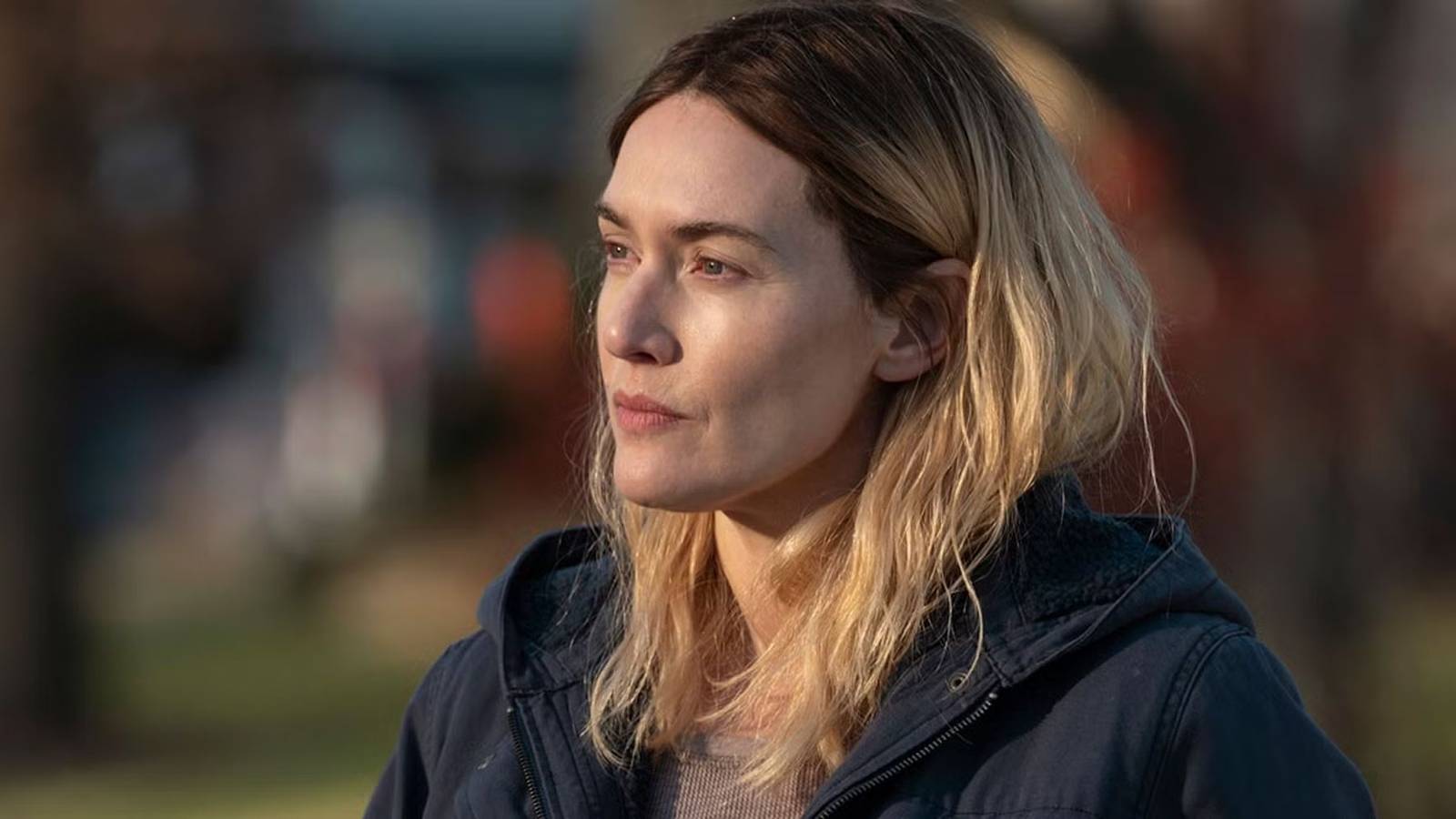
Image via HBO Published Sep 13, 2026, 7:09 AM EDT Sign in to your Collider account Starting a mystery is easy, but sustaining it is the hard part. The best mystery stories are essentially a promise to the audience. Once they introduce an impossible crime, they ask viewers to trust every clue, detour, and unanswered question. The problem, though, is that most shows are great at asking these questions, but only a few have mastered the art of answering them at the perfect time. The truth, though, is that mysteries aren't defined by how unpredictable their final reveal is, but how well their puzzle pieces fit together once the bigger picture comes into view. The shows on this list understand better than most, and unfold without a single flaw. 'Sharp Objects' (2018) Image via HBO Sharp Objects is easily one of the most compelling miniseries of modern times. The show, based on Gillian Flynn's novel, follows journalist Camille Preaker (Amy Adams), who reluctantly returns to her hometown of Wind Gap, Missouri, to investigate the murder of one young girl and the disappearance of another. The catch is that this work comes soon after Camille's brief rehab stint, and going home means moving back in with her controlling mother, Adora (Patricia Clarkson), and meeting her eccentric teenage half-sister, Amma (Eliza Scanlen), while confronting truths she has spent years trying to leave behind. The murder investigation is compelling on its own, but Sharp Objects quickly makes it clear that figuring out what happened to these girls also means understanding the deeply unhealthy town they, and Camille, grew up in. The show's brilliance lies in how it never separates Camille's work from her own sense of self. The narrative unfolds in a fragmented manner with tiny flashes of the investigator's memories between ordinary scenes, which creates a constant sense of unreliability until the very end. That approach makes the final reveal especially satisfying because Sharp Objects keeps hiding pieces of the answer in plain sight, only for them to make sense when everything finally comes together. 'Mare of Easttown' (2021) Image via HBO Mare of Easttown could have been a very familiar, run-of-the-mill crime drama, but its small-town setting takes the formula in a fascinating direction. Brad Ingelsby's miniseries follows detective Mare Sheehan (Kate Winslet), who is already under pressure for failing to solve the disappearance of another young woman when teenager Erin McMenamin (Cailee Spaeny) is found dead. Suddenly, Mare is juggling two cases while her personal life is falling apart and the entire town is judging her competence every step of the way. It’s fascinating to see how Mare of Easttown weaves its protagonists' personal journey into the narrative. That's because almost everyone in the town seems to be connected to the case, and every new lead carries tons of emotional baggage. Erin's murder pulls Mare deeper into the lives of families she already knows and people she grew up with. Even Mare's own family history keeps bleeding into the case, which makes the show feel so much richer than a standard whodunit. Every suspect and clue feels intentional rather than just existing for shock value. By the time the final truth comes out, the reveal hits hard because the series has spent so much time making these people feel like a real community. Winslet is obviously the star of the show and brings a lived-in quality to her character, which only adds to the show's relentless authenticity. 'Bodies' (2023) Image via Netflix Bodies wastes no time before pulling the audience into the deep end. The series follows four London detectives working in four different time periods —1890, 1941, 2023, and 2053 — who discover the same naked body in the exact same location. There is no obvious explanation for how that could possibly happen, especially because the corpse appears completely identical each time. The Netflix miniseries, based on Si Spencer's graphic novel, tracks all four investigations from their own point in history. What's interesting is how all of them gradually lead toward the mysterious Elias Mannix (Stephen Graham). Bodies never treats its four timelines as a gimmick because of how smoothly information travels between them in unexpected ways. Something investigated in 1890 suddenly explains evidence discovered more than a century later, and decisions made in the future can completely change the meaning of events the audience has already watched in the past. All this complexity in Bodies actually has a purpose, and half the fun is watching seemingly insignificant details evolve into major plotlines. The show is as ambitious as it gets, but it definitely makes it all work with an ending that is bound to stay with the audience long after the credits roll. 'How to Get to Heaven from Belfast' (2026–Present) Image via Netflix How to Get to Heaven from Belfast is just as funny as it is intriguing. The series, created by Lisa McGee of Derry Girls fame, follows three lifelong friends, Saoirse (Roísín Gallagher), Robyn (Sinéad Keenan), and Dara (Caoilfhionn Dunne), who reunite after learning that the fourth and estranged member of their group, Greta (Natasha O'Keeffe), has died. They decide to take a trip to her wake, which quickly takes a turn when a bunch of eerie events suggest that Greta's death may not be as straightforward as it seems. The friends take it upon themselves to dig through old books and chase leads to find out what really happened, but this means they keep stumbling into increasingly difficult situations. Their chaotic dynamic makes room for the most hilarious detours, but they never take away from the central mystery. An argument can reveal just as much about the case as any other piece of evidence because these women's lives are so closely tied together. The series progresses toward an unforgettable climax without ever losing momentum. Every escalation feels natural because the women are eventually directed toward the very secrets they were trying to outrun in the first place. Collider Exclusive · TV Medicine Quiz Which Fictional Hospital Would You Work Best In? The Pitt · ER · Grey's Anatomy · House · Scrubs Five hospitals. Five completely different ways medicine goes sideways on television — brutal, chaotic, romantic, brilliant, and ridiculous. Only one of them is the ward your instincts were built for. Eight questions will figure out exactly where you belong. 🚨The Pitt 🏥ER 💉Grey's 🔬House 🩺Scrubs FIND YOUR HOSPITAL → 01 A critical patient comes through the door. What's your first instinct? Medicine under pressure reveals who you actually are. AStay completely present — block everything else out and work through it step by step, right now. BTriage fast and delegate — get the right people on the right problems immediately. CTrust my gut and move — I work best when I stop overthinking and just act. DAsk the question everyone else is ignoring — what's the thing that doesn't fit? ETake a breath, make a joke to cut the tension, and then get to work — panic helps no one. NEXT QUESTION → 02 Why did you go into medicine in the first place? The honest answer says more about you than the one you'd give in an interview. ABecause I wanted to be where it matters most — right at the edge, when someone's life is actually on the line. BBecause I wanted to help people — genuinely, one patient at a time, in a system that makes it hard. CBecause I was drawn to the intensity of it — the stakes, the drama, the feeling of being fully alive. DBecause medicine is the most interesting puzzle there is — and I needed a problem worth solving. EBecause I wanted to make a difference — and also, honestly, I didn't know what else to do with my life. NEXT QUESTION → 03 What do you actually want from the people you work with? Who you want beside you under pressure is who you are. ACompetence and calm — I need people who don't fall apart when things get bad. BTrust and reliability — I want to know that when I pass something off, it's handled. CConnection — I want colleagues who become family, even if that gets complicated. DIntelligence and the willingness to be challenged — I have no interest in people who just agree with me. EFriendship — people I actually like spending twelve hours a day with, because those hours are going to happen either way. NEXT QUESTION → 04 You lose a patient you fought hard to save. How do you carry it? Every doctor who's worked a long shift has had to answer this question. AI carry it. All of it. I don't look for ways to put it down — that weight is part of doing this work honestly. BI process it and move — you have to, or the next patient suffers for the one you just lost. CI feel it deeply and lean on the people around me — I don't think you're supposed to handle that alone. DI go back over every decision — not to punish myself, but because I need to understand what I missed. EI grieve it genuinely, find some way to laugh about something unrelated, and try to be kind to myself — imperfectly. NEXT QUESTION → 05 How would your colleagues describe the way you work? Your reputation on the floor is usually more accurate than your self-image. AIntense and completely present — no small talk during a shift, but exactly who you want there. BSteady and dependable — not the flashiest in the room but never the one who drops something. CPassionate and occasionally chaotic — brilliant on the hard cases, prone to drama everywhere else. DBrilliant and difficult — right more often than anyone else, and everyone knows it, including me. EWarm and self-deprecating — not the most intimidating presence, but genuinely good at this and easy to like. NEXT QUESTION → 06 How do you feel about hospital protocol and procedure? Every institution has rules. What you do with them is a choice. AProtocol is the floor, not the ceiling — I follow it until the patient needs something it can't provide. BI respect it — the system is broken in places, but the structure is there for a reason and I work within it. CI follow it until my instincts tell me not to — and my instincts are usually right, even when they cause problems. DRules are for people who haven't thought hard enough about when to break them. EI try to follow it and mostly do — with a few memorable exceptions that still come up in meetings. NEXT QUESTION → 07 What does this job cost you personally? Nobody works in medicine without paying a price. What's yours? AEverything outside these walls — I've given this job my full attention and the rest of my life has gone around it. BMy idealism, mostly — I came in believing the system could be fixed and I've made a complicated peace with that. CStability — my personal life has been as chaotic as the OR, and that's not entirely a coincidence. DMy relationships — I am not easy to know, and the people who've tried to would probably agree. EMy sense of gravity — I use humour as a coping mechanism, which not everyone appreciates in a hospital. NEXT QUESTION → 08 At the end of a long shift, what keeps you coming back? The answer to this question is the most honest thing about you. AThe fact that it's real — that nothing else I could be doing would matter this much, right now, today. BThe patients — individual human beings who needed something and got it because I was there. CThe people I work with — I have walked through impossible things with these people and I'd do it again. DThe next unsolved case — there's always another puzzle, and I'm not done yet. EBecause despite everything — the exhaustion, the loss, the absurdity — I actually love this job. REVEAL MY HOSPITAL → Your Assignment Has Been Made You Belong In…Your answers have pointed to one fictional hospital above all others. This is the ward your instincts, your temperament, and your particular brand of dysfunction were built for. The PittYou are built for the most unsparing version of emergency medicine television has ever shown — one that puts you inside a single fifteen-hour shift and doesn't let you look away. You need your work to be real, not romanticised — meaning over drama, honesty over aesthetics. You find purpose inside the work itself, not in the chaos surrounding it. You've made peace with the fact that this job takes from you constantly, and gives back in ways that are harder to name. Pittsburgh Trauma Medical Center demands exactly that kind of person — and you would not want to be anywhere else. ERYou are the person who keeps the whole floor running — not the most brilliant in the room, but possibly the most essential. You show up, do the work, absorb the losses, and come back the next day without needing the job to be anything other than what it is. You care about patients as individual human beings, not as cases to solve or dramas to live through. You believe in the system even when it fails you — and you understand that emergency medicine is about holding the line just long enough. ER is television about endurance. You have it. Grey's AnatomyYou came to medicine with your whole self — your ambition, your emotions, your relationships, your history — and you have never quite managed to leave any of it at the door. You feel things fully and form deep attachments to the people you work with. Your personal and professional lives are permanently, chaotically entangled — and that entanglement drives both your greatest disasters and your most remarkable saves. You understand that extraordinary medicine often happens at the intersection of clinical skill and profound human connection. It's messy at Grey Sloan. You would not have it any other way. HouseYou are drawn to the problem above everything else — the symptom that doesn't fit, the diagnosis hiding underneath the obvious one. You're not primarily motivated by the patient as a person — though you are capable of caring, even if you'd deny it. You work best when the stakes are highest and the standard answer is wrong. Princeton-Plainsboro exists to house one extraordinary, impossible mind — and everyone around that mind is there because they're smart enough to keep up. The only way forward here is to think harder than everyone else in the room. That is exactly what you do. ScrubsYou understand that medicine is tragic and absurd in almost equal measure — and that the only sane response is to hold both of those things at the same time. You are warm, self-aware, and funnier than most people in your field. You use humour to get through terrible moments — and at Sacred Heart, that's not a flaw, it's a survival strategy. You lean on the people around you and let them lean back. The laughter and the grief are genuinely inseparable here. Scrubs is a show about learning to become someone worthy of the job. You are still very much in the middle of that process — which is exactly right. ↻ RETAKE THE QUIZ 'Dept. Q' (2025–Present) Image via Netflix Dept. Q doesn't exactly reinvent the detective drama, but it might be one of the best recent examples of why the formula still works. The Netflix series follows DCI Carl Morck (Matthew Goode), a brilliant Edinburgh detective who returns to work after a shooting leaves one officer dead and his partner Hardy (Jamie Sives) paralyzed. Now Carl is carrying a lot of guilt, but things get worse when his superiors put him in charge of the newly created cold-case unit, Department Q, which is another way of keeping him out of everyone else's way. Carl obviously knows that and doesn't care about the job at all initially. However, things take a turn when he starts digging into the disappearance of prosecutor Merritt Lingard (Chloe Pirrie), which isn't as simple as it seems. The clever part of the show is that the audience learns that Merritt is alive, which makes the investigation feel all the more pressing. This creates two mysteries where Carl is trying to get to the bottom of what happened, while the audience is trying to understand who is keeping Merritt captive and why. From there, Dept. Q keeps escalating the tension. Carl’s supporting team, including Akram Salim (Alexej Manvelov) and Rose (Leah Byrne), also becomes a huge part of why the series works. Their chemistry gives the show more personality than the average mystery drama, because they slowly learn to trust each other as Merritt's case becomes increasingly dangerous. Given all this, there is no doubt that Dept. Q is a modern classic in the making. 'Bad Sisters' (2022–2024) Bad Sisters is easily one of the most entertaining shows on Apple TV. The series has a premise that practically forces the audience to keep watching. The story follows the five Garvey sisters, whose lives are turned upside down after Grace's (Anne-Marie Duff) controlling and rude husband John Paul (Claes Bang) dies unexpectedly. The problem was that Grace's sisters all hated him and had very strong reasons for wanting him out of her life. The real drama starts when two insurance investigators begin questioning the circumstances surrounding his death. The series then starts jumping between the aftermath and the months leading up to it, when the sisters were coming up with increasingly complicated ways to get rid of John. Now, the mystery in Bad Sisters isn't a simple guessing game about which sister did it. The show keeps showing the audience different attempts to get rid of John Paul, many of which go spectacularly wrong, so the tension comes from trying to work out how the actual death finally happened and whether the sisters can manage to protect one another in the present timeline. John Paul is also written with just enough cruelty that every new story about him makes the sisters' desperation feel more understandable without turning the series into a straightforward revenge fantasy. The show's tone is where it really shines. Bad Sisters can move from something genuinely upsetting to a completely ridiculous argument between the sisters, and both things feel completely natural to the story. The Garveys are messy but also incredibly loyal to each other, which is what gives the audience a reason to keep caring. 'The Chestnut Man' (2021–Present) Image via Netflix The Chestnut Man is seriously underrated because it is hands down one of the creepiest mystery series of the last decade. The Danish Netflix show begins when detective Naia Thulin (Danica Curcic) is called to a disturbing crime scene in Copenhagen, where a young woman has been found dead with a small figurine made of chestnuts nearby. She is paired with Mark Hess (Mikkel Boe Følsgaard), an investigator who has recently returned from Europol to solve the case. However, things get stranger when the two discover a fingerprint on the figurine belonging to Kristine Hartung, the daughter of politician Rosa Hartung (Iben Dorner), who disappeared a year earlier and is presumed dead. Suddenly, the initial murder isn't an isolated crime anymore. Through all this, the chestnut figures are one of the eeriest parts of the show because they keep showing up everywhere. Not just that, but their meaning also keeps changing as Thulin and Hess uncover more information. The show is extremely good at giving the audience enough information to start forming theories without ever making the solution obvious. Even when Thulin and Hess think they understand what the killer is doing, one new detail can completely change the direction of the investigation. The Chestnut Man fully commits to its unsettling atmosphere, but it never uses darkness and violence as a substitute for exceptionally great storytelling. The Chestnut Man Release Date 2021 - 2026-00-00 Network Netflix Cast Mikkel Boe Følsgaard Mark Hess Danica Ćurčić Naia Thulin Directors Kasper Barfoed, Mikkel Serup Writers Dorthe Warnø Høgh, Christoffer Örnfelt, Søren Sveistrup, Mikkel Serup, David Sandreuter Main Genre Crime Seasons 2 Producers Morten Kjems Juhl, Stine Meldgaard Madsen Executive Producer(s) Mikkel Serup, Meta Louise Foldager Sørensen, Søren Sveistrup
7 Mystery Shows Without a Single Flaw
Full Article
Original Source
Read the full article at Collider →KhanList aggregates and links to publicly available news content. We do not host full articles from third-party sources. Always verify important information with original sources.