
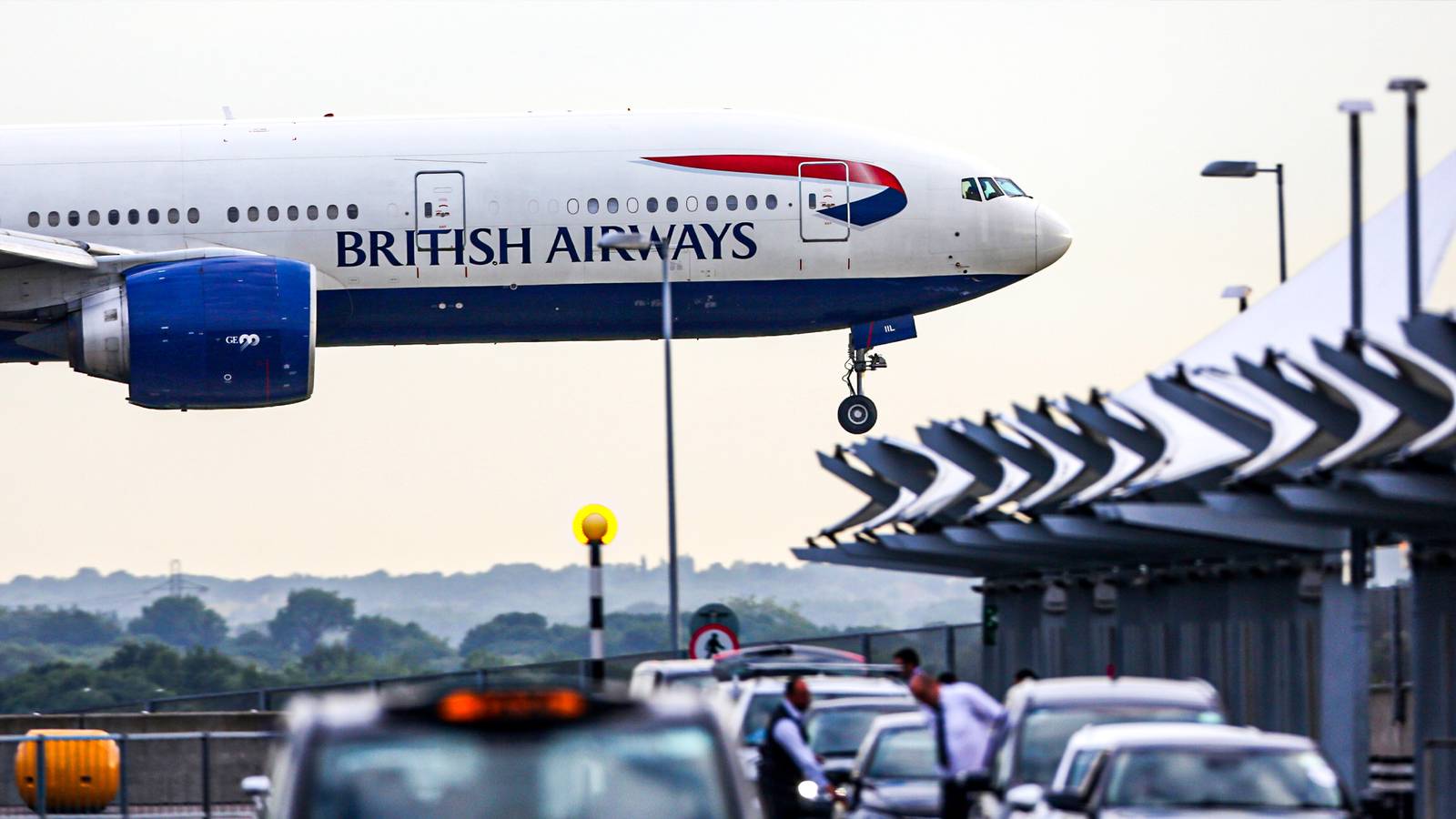
Published Oct 23, 2026, 4:00 PM EDT Airline and Airport Management Graduate, Student Commercial Pilot and Commercial Aviation Writer. Based in London & Nagoya Few aircraft have maintained their status as foundational long-haul workhorses quite like the Boeing 777 family. The iconic widebody revolutionized global connectivity with its twin-engine efficiency, spacious cabin design, and unmatched operational reliability. Newer generations of composite aircraft like the Boeing 787 and Airbus A350 gradually dominate delivery schedules, but a select group of global carriers continues to rely on the pioneer variants of this legendary lineage. More than 20 airlines still champion the classic Boeing 777-200 and extended-range -200ER models, and each one provides a fascinating window into how legacy fleets adapt to modern economic pressures, maintenance life cycles, and evolving passenger expectations. For this comprehensive operational overview, we examine seven active commercial operators keeping the 777-200 series alive on long-haul schedules as of 2026. It is vital to note a key technical distinction: dozens of carriers once operated the baseline -200 and its ubiquitous -200ER sibling, but only one major airline continues to fly the original baseline non-extended-range version, with the remainder relying exclusively on the extended-range 777-200ER variant. Ranging from Asian flag carriers to massive North American network operators, this countdown highlights the fleet sizes, cabin configurations, operational roles, and long-term retirement horizons of each airline keeping the classic Triple Seven airborne today. Thai Airways 3 airframes Thai Airways stands as a prominent operator keeping the 777-200ER active within its widebody stable, using the aircraft to balance capacity across key regional and intercontinental corridors. As the airline connects its main hub in Bangkok Suvarnabhumi Airport(BKK) to demanding destinations across Asia and beyond, the Triple Seven provides a reliable platform that can handle high passenger volumes. Inside the cabin, Thai Airways configures its 777-200ER fleet with a comfortable two-class layout, seating 292 passengers. This configuration features an upgraded Royal Silk business class with enhanced personal space, alongside a well-appointed economy cabin engineered for widebody comfort on medium-to-long-haul sectors. Despite the ongoing introduction of newer modern widebody types into the broader aviation sector, Thai Airways continues to find substantial operational utility in these tried-and-tested aircraft. Their robust payload capabilities and proven powerplants allow the carrier to maintain schedule integrity even as demand fluctuates across its extensive network. Austrian Airlines 6 airframes Austrian Airlines has long relied on the 777-200ER as the largest passenger aircraft type in its active fleet, as of October 2026. Operating primarily out of Vienna International Airport(VIE), the carrier deploys these versatile twinjets on high-density long-haul routes where maximizing seat capacity and cargo volume is critical for maintaining profitable margins. The interior of Austrian’s Triple Seven fleet features a spacious three-class configuration accommodating roughly 330 passengers, as per Seat Maps. Passengers benefit from a refined long-haul product that includes an established business class, a dedicated premium economy offering, and a standard economy cabin optimized for transatlantic and long-range leisure operations. Even as Austrian Airlines gradually integrates efficient modern aircraft like the Boeing 787 into its long-haul operations, the 777-200ER will still be indispensable for assisting with capacity gaps. The aircraft's reliable performance profile ensures Vienna can continue its robust connections to major global economic and cultural centers. Asiana Airlines 8 airframes Asiana Airlines maintains a focused, highly efficient sub-fleet of 777-200ER aircraft to support its extensive regional and international route network. Owning a select number of these trusted airframes, the South Korean carrier utilizes them to provide consistent widebody capacity on high-demand Asian trunk routes and select long-haul sectors. The cabin layout across Asiana’s 777-200ER inventory typically features a two-class configuration, accommodating between 300 and 302 passengers, as per Seat Maps. Business class offers lie-flat comfort in a structured arrangement, while the economy cabin is arranged in a reliable 3-3-3 abreast configuration that maximizes seat count without sacrificing personal space. Asiana is in the midst of complex corporate transitions and fleet harmonization efforts in the region, but even with all the commotion, its Triple Seven airframes continue to deliver exceptional dispatch reliability. Their ability to handle high-density passenger flows makes them essential to maintaining seamless connectivity across East Asian hubs. Air France 18 airframes Air France is one of the key European operators of the 777-200ER, deploying the extended-range twinjet from its main hub at Paris Charles De Gaulle Airport(CDG). The airline relies on these aircraft to serve critical intercontinental routes where passenger numbers and cargo demand require a proven, high-capacity widebody platform to take center stage. Reflecting the carrier's commitment to onboard comfort, Air France configures its 777-200ER fleet with a sophisticated three-class layout totaling 328 seats, as per Simple Flying. This setup includes 28 ergonomic business-class pods, 32 premium economy seats with enhanced legroom, and 268 functional economy seats equipped with modern inflight entertainment. The enduring presence of the 777-200ER in the Air France fleet helps to solidify the aircraft's exceptional design longevity. By pairing these reliable airframes with contemporary cabin retrofits, the airline gives passengers the experience of top-tier French hospitality regardless of whether they board a brand-new flagship or a seasoned Triple Seven. British Airways 43 airframes British Airways holds a legendary status in the history of the Triple Seven program, having actively collaborated with Boeing during the initial design and development phase of the aircraft, as noted by Aviation News Magazine. Today, the carrier operates a substantial fleet of 43 777-200ER airframes, primarily based out of London Heathrow Airport(LHR) and London Gatwick Airport(LGW), cementing its position as one of the type's largest global champions. These aircraft are configured in flexible three or four-class layouts depending on their specific operational deployment, accommodating up to 336 passengers, as per the airline's own figures. From First Class suites and Club World flat beds to World Traveller Plus and World Traveller cabins, British Airways always brings a consistent long-haul product across its widebody network. British Airways has established long-range fleet renewal roadmaps, with plans to begin replacing its Gatwick-based 777-200ERs with state-of-the-art Boeing 787-10 Dreamliners starting around 2029, as reported by Head For Points. Until then, these dependable twinjets are still fundamental to maintaining the airline's dense global schedule. American Airlines 47 airframes American Airlines holds the position of the world's second-largest operator of the 777-200ER, boasting an active fleet of 47 aircraft, as per Simple Flying. These versatile widebodies serve as critical connectors across the carrier's massive domestic hub network and on high-volume international routes stretching across the Atlantic and into Latin America. To maintain operational consistency, American Airlines equips all 47 of its 777-200ER airframes with a uniform 273-seat, three-class configuration. This standardized layout streamlines crew training, maintenance scheduling, and passenger expectations, creating a predictable travel experience whether the aircraft operates a transcontinental tag flight or an overnight European jump. Unlike carriers rushing to phase out older widebodies, American Airlines has no near-term plans to retire its 777-200ER fleet. Instead, management is actively evaluating comprehensive cabin upgrades to modernize interior hardware and keep these workhorse jets competitive for years to come. United Airlines 74 airframes United Airlines occupies a peerless position in aviation history as the official launch customer for the Boeing 777 program, taking delivery of the very first airframes in the mid-1990s. As of 2026, United is one of only two major global airlines continuing to fly the original baseline non-extended-range 777-200, operating a sub-fleet of roughly 19 of these vintage aircraft alongside 55 extended-range -200ER models. The age and resilience of United's Triple Seven fleet are remarkable; the oldest active Boeing 777 in commercial service worldwide is United's airframe registered as N774UA, which has logged over three decades of continuous frontline operation, as highlighted in Simple Flying analysis. Despite averaging around 28.5 years of age for the baseline models and 25.8 years for the ER variants, United's July 2026 fleet strategy maintains all 96 of its total Boeing 777 aircraft through the end of the year. Looking ahead, United Airlines plans to progressively phase out its original 777-200s and select domestic -200ER airframes, with modern 787-10 Dreamliners slated as their ultimate successors. Despite this, United's veteran Triple Seven fleet continues to command the skies, keeping Boeing's greatest twinjet success going further into the future.
7 Airlines Still Flying The Boeing 777-200ER In 2026
Full Article
Original Source
Read the full article at Simpleflying →KhanList aggregates and links to publicly available news content. We do not host full articles from third-party sources. Always verify important information with original sources.