
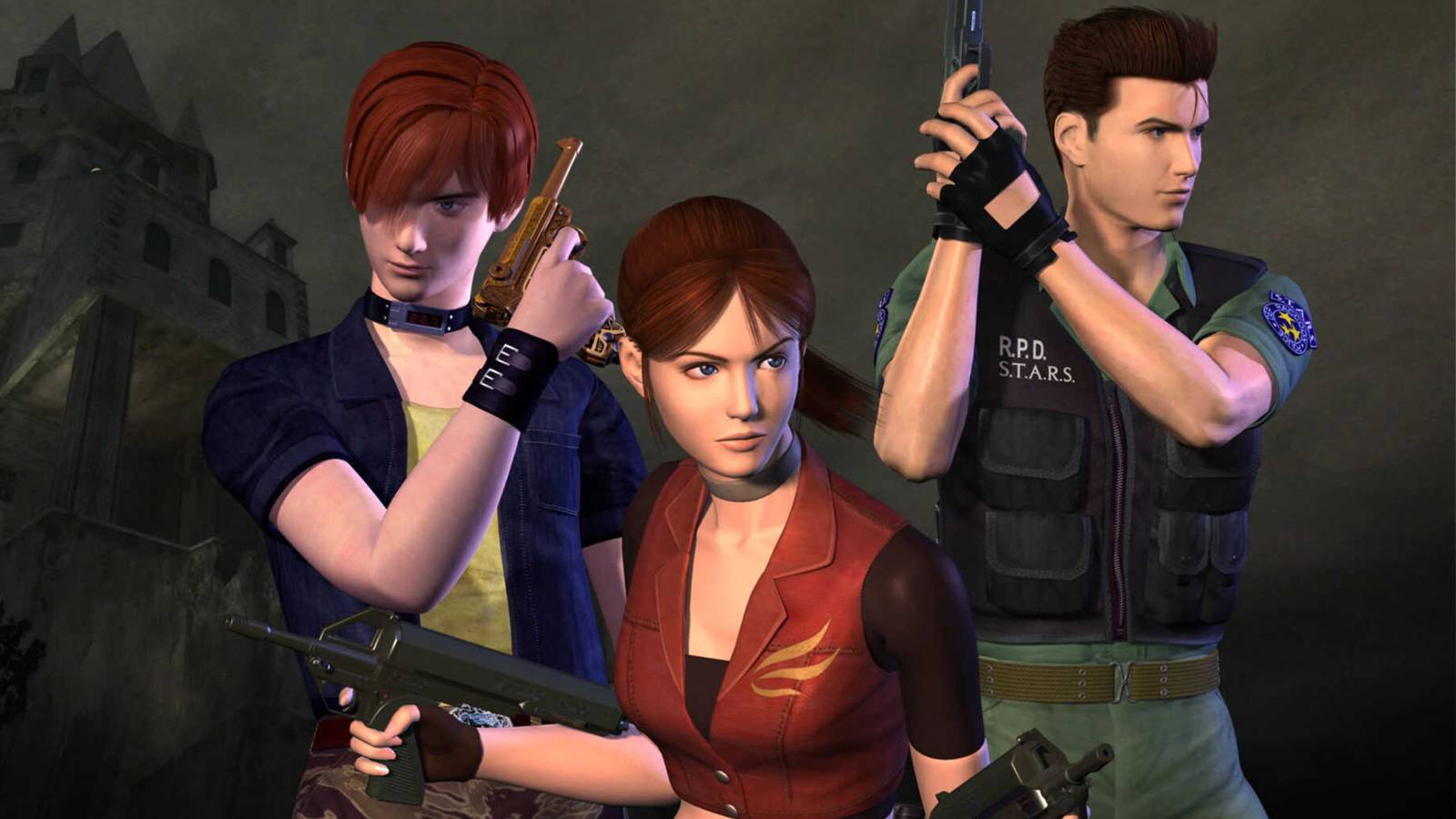
Published Sep 30, 2026, 6:00 PM EDT Ben Brosofsky has been writing for Screen Rant since 2022 and editing since 2024. He graduated from Vanderbilt University with a Bachelor's in Cinema & Media Arts. Writing serves as a much-needed distraction from tackling a backlog of Steam games that will never be surmounted. By name, the SEGA Dreamcast sounds like a delightful platform, and for the most part, it was. Occasionally, though, those dreams could turn into nightmares. Along with the fun romps like Sonic Adventure and Crazy Taxi (assuming you aren't going for high scores), some memorable titles in the Dreamcast library proved to be fiendishly difficult. The hardest SEGA Dreamcast games aren't always as infamous as the toughest challenges on competing consoles, as the Dreamcast's lower sales meant that fewer people were exposed to their trials to begin with. If you're looking for something that will make you sweat, though, any of these games should still do the trick decades after their initial release. Resident Evil – Code: Veronica The classic Resident Evil games were never easy, but Code: Veronica makes at least the first couple look like walks in the park. This is a survival horror game with an emphasis on survival, and managing the inventory in a way that doesn't leave you helpless can be difficult to work out on a first-time playthrough. When the game switches between protagonists, it's all too easy to leave nothing useful behind for the other character to pick up, significantly intensifying the struggle. You'll also have to do quite a bit of backtracking in this one, so mistakes that force you to reload saves can feel particularly frustrating. That being said, if you're careful about how you balance everything in Code: Veronica, it all becomes a lot more manageable. Repeat playthroughs tend to feel much easier, making it not quite as endlessly brutal as some other challenges in the Dreamcast library. The knife is also significantly more effective than in most Resident Evil games, leaving you with a useful tool even if you run out of ammo. Illbleed Code: Veronica isn't the only hard survival horror experience on the Dreamcast, and Illbleed might actually make its difficulty feel fair in comparison. It isn't so much that Illbleed is legitimately all that hard, but that it offers even more potential for random frustrations, especially due to controls that don't respond as efficiently as most players would like. A slow pace of repetitive room exploration also makes Code: Veronica's backtracking feel fast-paced and varied by comparison. That being said, Illbleed's offbeat nature has also earned it plenty of fans. While its methodical nature turned off some players, it's proven to be a compelling gameplay loop for others, and its schlocky horror movie gimmick is entertaining and often humorous. How hard it will ultimately feel may simply depend on how much you like it — if you're not having a good time, the hurdles might feel insurmountable, but it's easy enough to deal with them patiently if Illbleed clicks for you. Ecco The Dolphin: Defender Of The Future Despite its inviting dolphin branding, the Ecco the Dolphin series built a reputation for difficulty on the SEGA Genesis. Unlike a lot of 16-bit franchises, it didn't ease off the throttle with the transition to 3D, and the Dreamcast's Ecco the Dolphin: Defender of the Future is one of the more challenging games on the system. Defender of the Future eases players in at the start, but it ramps up to some intense challenges. Rather than being tough in any one particular way, Defender of the Future embraces multiple ways to provide a challenge. From its occasionally obtuse nature that makes progression points easy to miss to the lightning-fast movement ramping up the difficulty of engaging in combat encounters, you'll likely find yourself stuck at more than one moment in this one. While it isn't as well known as the earlier Ecco the Dolphin games, Defender of the Future can still be worth the time you'll spend overcoming its obstacles. Beautiful environments and atmosphere take full advantage of the system, making for a gorgeous underwater journey as a whole. Super Magnetic Neo Super Magnetic Neo might look cute, but you should look past its cartoon graphics and pay attention to the smug expression Neo is making on the cover. This platformer is tough-as-nails, and often in a way that will make you want to tear your hair out rather than grit your teeth and keep going. Unlike a Super Mario game or the relatively challenging Crash Bandicoot series (which feels like an obvious influence), Super Magnetic Neo's platforming can often feel slippery and imprecise. Worse, it willingly punishes anyone who fails to master it. The Western version is actually easier than the original Japanese release, adding some power-ups to help mitigate the one-mistake deaths that defined the original version. Even so, it's still a formidable trial, and beating Super Magnetic Neo is a struggle that anyone happily playing the flagship platformers on competing consoles may never understand. Ikaruga Shoot-em-ups can be a tough genre, and the DreamCast had a couple that took no prisoners. While Border Down is also a challenge, Ikaruga is the more famous one, and that also makes it the more infamous one when it comes to difficulty. Fast-paced gameplay requires lightning-fast reflexes to avoid mistakes, and you'll likely need to get good at memorization to start dodging the more complex patterns of enemies and projectiles in time. The polarity mechanic further complicates things, forcing players to swap their ship between black and white versions to build up power for special attacks and avoid receiving extra damage from projectiles. Beating Ikaruga is ultimately manageable, and you can get unlimited continues once you spend enough time in the game. Actually getting good at it will require a good bit of skill, though, and building up big combos in this shoot-em-up is the sign of a seasoned SEGA Dreamcast veteran. Brand Sega Original Release Date November 27, 1998 Original MSRP (USD) $199 / £200 / ¥29,000 Storage 128 KB Visual Memory Unit (removable) Processor Hitachi SH-4 @ 200 MHz Resolution 640 x 480
5 Dreamcast Games That Were As Tough As Nails
Full Article
Original Source
Read the full article at Screenrant →KhanList aggregates and links to publicly available news content. We do not host full articles from third-party sources. Always verify important information with original sources.