
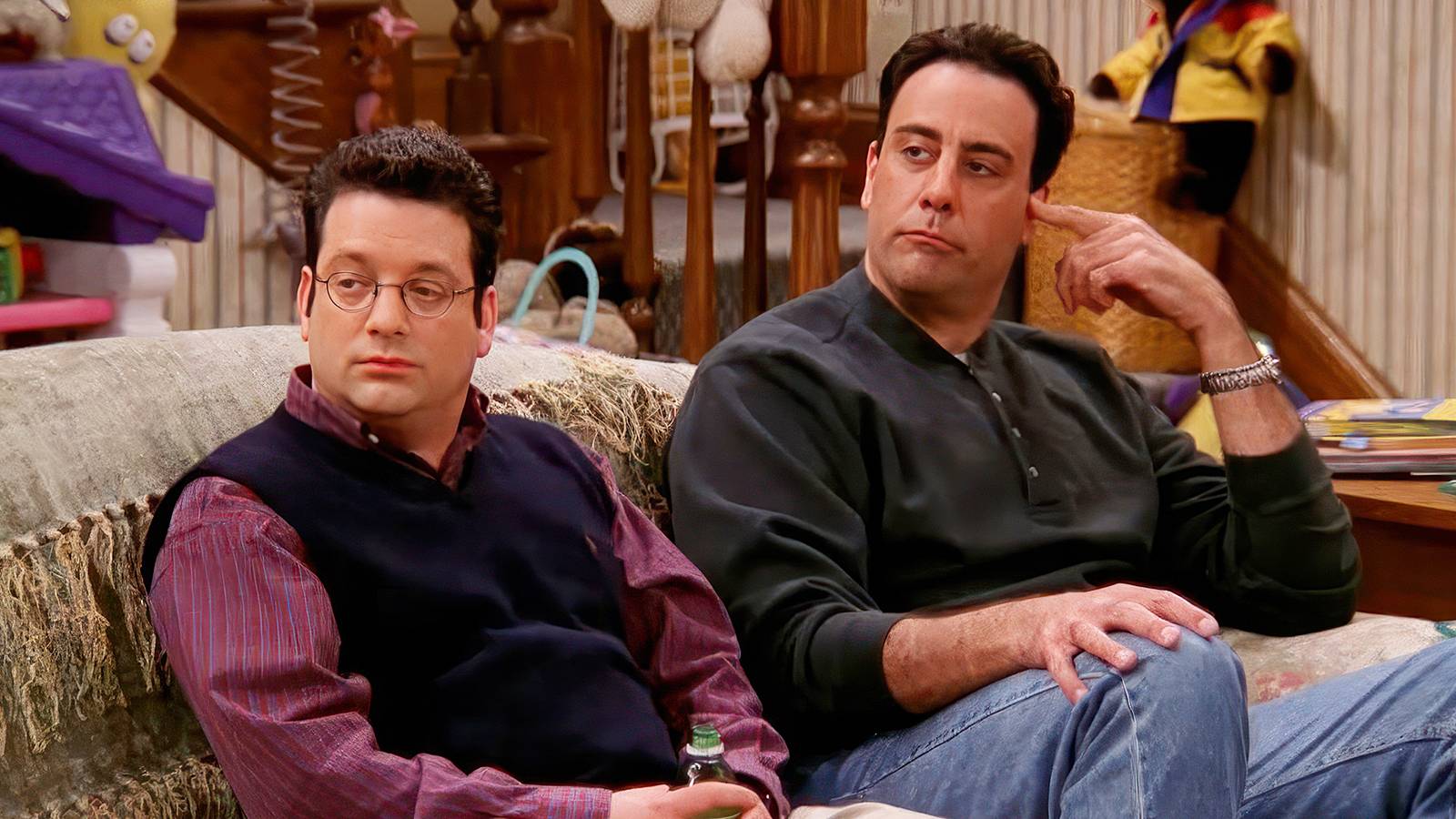
Image via CBS Published Aug 23, 2026, 8:02 PM EDT Dyah (pronounced Dee-yah) is a Senior Author at Collider, responsible for both writing and transcription duties. She joined the website in 2022 as a Resource Writer before stepping into her current role in April 2023. As a Senior Author, she writes Features and Lists covering TV, music, and movies, making her a true Jill of all trades. In addition to her writing, Dyah also serves as an interview transcriber, primarily for events such as San Diego Comic-Con, the Toronto International Film Festival, and the Sundance Film Festival. Dyah graduated from Satya Wacana Christian University in October 2019 with a Bachelor's degree in English Literature, concentrating on Creative Writing. She is currently completing her Master's degree in English Literature Studies, with a thesis on intersectionality in postcolonial-feminist studies in Asian literary works, and is expected to graduate in 2026. Born and raised between Indonesia and Singapore, Dyah is no stranger to different cultures. She now resides in the small town of Kendal with her husband and four cats, where she spends her free time cooking or cycling. Sign in to your Collider account Nothing beats the classics, especially when it comes to comedy. These days, comedy shows are constantly reinventing themselves to reflect the times they were made in. And with comedies bringing people together all over the world, the genre feels more universal than ever. But every great comedy has its roots, and sometimes, those roots just did it better than the newer shows that came after them. From creating the perfect family sitcom setup to turning a setting into a character of its own, these classics knew exactly how to make people laugh without needing some big overarching story. They have a few tricks up their sleeves that many newer shows still haven't quite figured out. With that in mind, here are beloved classic comedy shows that are still better than most new series. 5 'I Love Lucy' (1951–1957) Image via CBS At its peak, I Love Lucy was watched by an incredible 40 million Americans, making Lucy Ricardo one of television's earliest, biggest comedy stars. Played by Lucille Ball, Lucy is a lively homemaker married to Ricky Ricardo (Desi Arnaz), a nightclub bandleader who spends most of his time performing. Lucy, though, isn't exactly happy sitting at home. She is always looking for her next chance to get onstage, often dragging Ricky into whatever crazy plan she has come up with. Of course, things rarely go as planned. Like any other sitcom, these mishaps are the band of good comedy. It all boils down to Lucy's big personality and Ricky's more serious nature, which complement each other so well. However, the true soul of I Love Lucy is the way Ball pushes back against the usual expectations for married women at the time. She is supposed to take care of the house and support her husband, but Lucy clearly wants more than that. She loves being a homemaker, yet she also wants to perform, chase her own ambitions, and prove she can be just as funny as Ricky. The show was also a big deal because Arnaz, a Cuban actor, played one of the leads in a popular American sitcom at a time when that was far from common. 4 'Seinfeld' (1989–1998) Image via Netflix Most sitcoms from their era wanted to give viewers wholesome families and feel-good lessons. Seinfeld basically said, “Yeah, no thanks.” Jerry (Jerry Seinfeld) and his friends are petty, selfish, awkward, and rarely learn anything from their mistakes, which is exactly why they're so much fun to watch. Instead of chasing some big message, the show turns everyday annoyances into comedy. A bad date, a weird conversation, or an annoying neighbor can somehow snowball into a completely ridiculous situation. Random as they may be, it's the most intoxicating part about this “show about nothing." Everyone knows what it's like to live a mundane life, but Seinfeld proves that these boring parts can be hilarious when you're stuck with the right group of people. Seinfeld's chemistry between the ensemble alone is enough to carry the show for nine seasons. Season 1 can take a bit of patience, but things really click once Season 2 gets going. Jerry's dry humor, Elaine's (Julia Louis-Dreyfus) blunt attitude, Kramer's (Michael Richards) completely unhinged schemes, and George's (Jason Alexander) nonstop worrying bounce off each other perfectly. Give them the smallest problem, and they'll turn it into a huge mess. These four are probably going to make things worse, but watching them stumble into one terrible decision after another never stops being funny. Collider Exclusive · TV Medicine Quiz Which Fictional Hospital Would You Work Best In? The Pitt · ER · Grey's Anatomy · House · Scrubs Five hospitals. Five completely different ways medicine goes sideways on television — brutal, chaotic, romantic, brilliant, and ridiculous. Only one of them is the ward your instincts were built for. Eight questions will figure out exactly where you belong. 🚨The Pitt 🏥ER 💉Grey's 🔬House 🩺Scrubs FIND YOUR HOSPITAL → 01 A critical patient comes through the door. What's your first instinct? Medicine under pressure reveals who you actually are. AStay completely present — block everything else out and work through it step by step, right now. BTriage fast and delegate — get the right people on the right problems immediately. CTrust my gut and move — I work best when I stop overthinking and just act. DAsk the question everyone else is ignoring — what's the thing that doesn't fit? ETake a breath, make a joke to cut the tension, and then get to work — panic helps no one. NEXT QUESTION → 02 Why did you go into medicine in the first place? The honest answer says more about you than the one you'd give in an interview. ABecause I wanted to be where it matters most — right at the edge, when someone's life is actually on the line. BBecause I wanted to help people — genuinely, one patient at a time, in a system that makes it hard. CBecause I was drawn to the intensity of it — the stakes, the drama, the feeling of being fully alive. DBecause medicine is the most interesting puzzle there is — and I needed a problem worth solving. EBecause I wanted to make a difference — and also, honestly, I didn't know what else to do with my life. NEXT QUESTION → 03 What do you actually want from the people you work with? Who you want beside you under pressure is who you are. ACompetence and calm — I need people who don't fall apart when things get bad. BTrust and reliability — I want to know that when I pass something off, it's handled. CConnection — I want colleagues who become family, even if that gets complicated. DIntelligence and the willingness to be challenged — I have no interest in people who just agree with me. EFriendship — people I actually like spending twelve hours a day with, because those hours are going to happen either way. NEXT QUESTION → 04 You lose a patient you fought hard to save. How do you carry it? Every doctor who's worked a long shift has had to answer this question. AI carry it. All of it. I don't look for ways to put it down — that weight is part of doing this work honestly. BI process it and move — you have to, or the next patient suffers for the one you just lost. CI feel it deeply and lean on the people around me — I don't think you're supposed to handle that alone. DI go back over every decision — not to punish myself, but because I need to understand what I missed. EI grieve it genuinely, find some way to laugh about something unrelated, and try to be kind to myself — imperfectly. NEXT QUESTION → 05 How would your colleagues describe the way you work? Your reputation on the floor is usually more accurate than your self-image. AIntense and completely present — no small talk during a shift, but exactly who you want there. BSteady and dependable — not the flashiest in the room but never the one who drops something. CPassionate and occasionally chaotic — brilliant on the hard cases, prone to drama everywhere else. DBrilliant and difficult — right more often than anyone else, and everyone knows it, including me. EWarm and self-deprecating — not the most intimidating presence, but genuinely good at this and easy to like. NEXT QUESTION → 06 How do you feel about hospital protocol and procedure? Every institution has rules. What you do with them is a choice. AProtocol is the floor, not the ceiling — I follow it until the patient needs something it can't provide. BI respect it — the system is broken in places, but the structure is there for a reason and I work within it. CI follow it until my instincts tell me not to — and my instincts are usually right, even when they cause problems. DRules are for people who haven't thought hard enough about when to break them. EI try to follow it and mostly do — with a few memorable exceptions that still come up in meetings. NEXT QUESTION → 07 What does this job cost you personally? Nobody works in medicine without paying a price. What's yours? AEverything outside these walls — I've given this job my full attention and the rest of my life has gone around it. BMy idealism, mostly — I came in believing the system could be fixed and I've made a complicated peace with that. CStability — my personal life has been as chaotic as the OR, and that's not entirely a coincidence. DMy relationships — I am not easy to know, and the people who've tried to would probably agree. EMy sense of gravity — I use humour as a coping mechanism, which not everyone appreciates in a hospital. NEXT QUESTION → 08 At the end of a long shift, what keeps you coming back? The answer to this question is the most honest thing about you. AThe fact that it's real — that nothing else I could be doing would matter this much, right now, today. BThe patients — individual human beings who needed something and got it because I was there. CThe people I work with — I have walked through impossible things with these people and I'd do it again. DThe next unsolved case — there's always another puzzle, and I'm not done yet. EBecause despite everything — the exhaustion, the loss, the absurdity — I actually love this job. REVEAL MY HOSPITAL → Your Assignment Has Been Made You Belong In…Your answers have pointed to one fictional hospital above all others. This is the ward your instincts, your temperament, and your particular brand of dysfunction were built for. The PittYou are built for the most unsparing version of emergency medicine television has ever shown — one that puts you inside a single fifteen-hour shift and doesn't let you look away. You need your work to be real, not romanticised — meaning over drama, honesty over aesthetics. You find purpose inside the work itself, not in the chaos surrounding it. You've made peace with the fact that this job takes from you constantly, and gives back in ways that are harder to name. Pittsburgh Trauma Medical Center demands exactly that kind of person — and you would not want to be anywhere else. ERYou are the person who keeps the whole floor running — not the most brilliant in the room, but possibly the most essential. You show up, do the work, absorb the losses, and come back the next day without needing the job to be anything other than what it is. You care about patients as individual human beings, not as cases to solve or dramas to live through. You believe in the system even when it fails you — and you understand that emergency medicine is about holding the line just long enough. ER is television about endurance. You have it. Grey's AnatomyYou came to medicine with your whole self — your ambition, your emotions, your relationships, your history — and you have never quite managed to leave any of it at the door. You feel things fully and form deep attachments to the people you work with. Your personal and professional lives are permanently, chaotically entangled — and that entanglement drives both your greatest disasters and your most remarkable saves. You understand that extraordinary medicine often happens at the intersection of clinical skill and profound human connection. It's messy at Grey Sloan. You would not have it any other way. HouseYou are drawn to the problem above everything else — the symptom that doesn't fit, the diagnosis hiding underneath the obvious one. You're not primarily motivated by the patient as a person — though you are capable of caring, even if you'd deny it. You work best when the stakes are highest and the standard answer is wrong. Princeton-Plainsboro exists to house one extraordinary, impossible mind — and everyone around that mind is there because they're smart enough to keep up. The only way forward here is to think harder than everyone else in the room. That is exactly what you do. ScrubsYou understand that medicine is tragic and absurd in almost equal measure — and that the only sane response is to hold both of those things at the same time. You are warm, self-aware, and funnier than most people in your field. You use humour to get through terrible moments — and at Sacred Heart, that's not a flaw, it's a survival strategy. You lean on the people around you and let them lean back. The laughter and the grief are genuinely inseparable here. Scrubs is a show about learning to become someone worthy of the job. You are still very much in the middle of that process — which is exactly right. ↻ RETAKE THE QUIZ 3 'The Golden Girls' (1985–1992) Image via NBC At a time when sitcoms rarely put women at the center—let alone older women—The Golden Girls felt refreshingly different. Dorothy (Bea Arthur), Rose (Betty White), Blanche (Rue McClanahan), and Sophia (Estelle Getty) aren't treated like background characters or punchlines. They're the stars, and they are funny, outspoken, complicated, and very much living their lives despite having lived for more than a century. Whether it's the fickleness of the dating pool or simply the new realities of turning one year older, the show proves that life never stops being interesting after a certain age. Thanks to these four women, getting older means that you're given even more chances in your short worldly time to live out your dreams. The Golden Girls isn't afraid to get serious when it needs to. Alongside all the jokes, the show tackled ageism, homelessness, immigration, sexuality, and HIV/AIDS. One minute, the four women might be bickering over sending someone to a retirement home to shut them up. The next, they're going through grief together over the sudden death of a child. Mixing comedy and heart is always a foolproof equation for a solid show, but it's the genuine friendship and camaraderie that makes The Golden Girls a timeless watch. 2 'Cheers' (1982–1993) Image via CBS If you want a sitcom that feels like grabbing a drink at your favorite bar after a long day at work, Cheers is pretty hard to beat. The guy running it isn't even a bartender in the first place. Former baseball player Sam Malone (Ted Danson) runs the Boston bar, where the regulars always have something highly personal to share. Diane Chambers (Shelley Long), Norm Peterson (George Wendt), Cliff Clavin (John Ratzenberger), and the rest of the gang fill the place with wit and quips, as well as a handful of complaints and nonsense. Cheers viewers can't help but vicariously be at the bar, as if you're hanging out with these guys all night. There's nothing complicated about the setup, but that's part of the charm. The bar itself is the show's biggest secret weapon. People come and go, relationships change, and storylines move on, but everyone can always end up back at Cheers. For 11 seasons, viewers kept coming back to this familiar hangout because it was funny, easygoing, and full of people who could turn the tiniest problem into a whole story. It's the true definition of comfort TV, one that doesn't require any strong commitment, but only a fraction of your time out of your busy schedule. 1 'Everybody Loves Raymond' (1996–2005) Image via CBS Everybody Loves Raymond looks like a pretty typical family sitcom. Ray Barone (Ray Romano) has a job as a sports writer, a wife, three kids, and a nice house in the suburbs. The only annoyance in his life (and biggest) is his parents and older brother Robert (Brad Garrett), who live right across the street. Known for their big, brash attitude, they can turn any simple visit or family dinner into a completely ridiculous feud, making for some really satisfying laughs. The Barones don't need anything dramatic to cause trouble. They can make a huge mess out of the smallest things. Ray might be the lead, but the rest of the family's personalities are even bigger than Ray himself. His wife Debra (Patricia Heaton) isn't just there to clean up after Ray, and is more than willing to call everyone out when they get on her last nerve. Robert has his own baggage, especially his feeling that Ray has always gotten the better deal. Then there's Frank (Peter Boyle), who can turn almost any conversation into a joke at someone's expense. Marie (Doris Roberts) is even more involved, always ready to offer advice whether anyone asked for it or not. Together, they love each other, annoy each other, and somehow keep coming back for more. Release Date 1996 - 2005-00-00 Network CBS Showrunner Phil Rosenthal Cast Patricia Heaton Debra Barone The comical everyday life of sports columnist Ray Barone and his dysfunctional family.
5 Classic Comedy Shows That Are Still Better Than Most New Series
Full Article
Original Source
Read the full article at Collider →KhanList aggregates and links to publicly available news content. We do not host full articles from third-party sources. Always verify important information with original sources.