
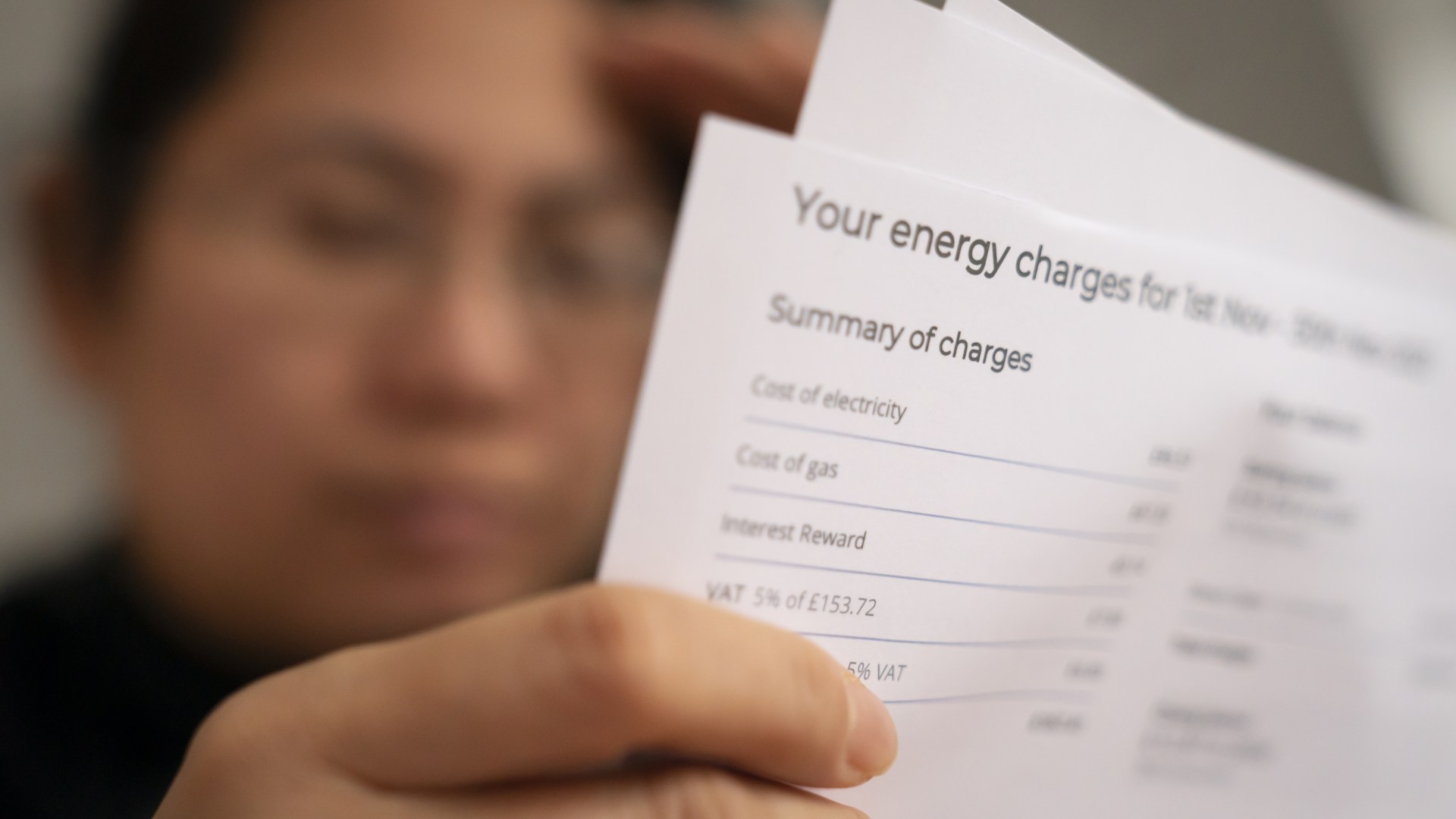
ENERGY complaints have soared – but five simple checks could help households claw back hundreds or even thousands of pounds. The Energy Ombudsman accepted 46,532 cases in the six months to the end of June, up 16% from 40,068 a year earlier. Energy complaints have soared – but there are ways you can get cash back from your supplier Credit: PA It was the first rise in first-half complaints since 2023. Billing disputes made up 58% of cases, with the total rising 15% year on year to 27,006. Sign up for the Money newsletter Thank you! Smart-meter complaints also increased, climbing 6% to 4,817. Ed Dodman, chief ombudsman for energy, said the figures highlighted the “continued challenges facing many energy consumers at a time of ongoing pressure on household finances”. It comes as Ofgem is expected to announce a rise in the energy price cap from October 1. Cornwall Insight has forecast a 4% increase, which would take the typical annual dual-fuel bill from £1,663 to £1,729. The cap limits the amount suppliers can charge per unit of gas and electricity, rather than a household’s total bill. How much you pay still depends on how much energy you use. Most read in Money If you think your supplier owes you money, here are five checks to make. 1. Check your credit balance Households paying by direct debit often build up credit during warmer months to help cover higher winter usage. But a large balance could mean your payments have been set too high. Research by Uswitch found around 16million households had credit left on their energy accounts after winter. Some 12% had more than £300, while 4% had balances above £500. In one case, a customer was able to reclaim a whopping £1,000. Before requesting a refund, submit an up-to-date meter reading so your balance is accurate. You can then ask your supplier to return any excess credit and review your monthly direct debit. Suppliers can take seasonal usage into account when considering a refund, but they should explain their decision if they refuse. 2. Trace credit from an old account Around £240million in credit from closed energy accounts is waiting to be returned to customers, according to Ofgem. You could be owed money if you moved home or switched supplier without receiving your final refund. Suppliers must normally issue a final bill within six weeks of an account closing and return any credit within 10 working days of issuing it. If they miss either deadline, you may be entitled to £40 compensation under Ofgem’s Guaranteed Standards. A further £40 may be due if that compensation is not paid within 10 working days. Contact your former supplier with your name, previous address, old account number and details of when you moved or switched. There is no time limit on reclaiming credit held by a former supplier. 3. Check your meter details and readings Incorrect meter information can mean you are charged for somebody else’s energy. Compare the meter serial number printed on your electricity or gas meter with the number shown on your bill. Just make sure you’re not confusing this with your Meter Point Administration Number, or MPAN. This identifies your electricity supply and is normally found on your bill, not on the meter itself. You should also check whether your bills are based on actual or estimated readings. If the serial numbers do not match, or the readings look wrong, contact your supplier immediately. Ask it to investigate, correct your account and refund any overpayment. 4. Claim for poor service Energy companies must meet minimum standards in areas including appointments, final bills and refunds. You could be due £40 if your supplier: misses an appointment, or rearranges it without enough notice; fails to issue a final bill within six weeks of a switch; fails to refund a credit balance within 10 working days of issuing the final bill; or takes too long to complete a switch where the delay is its fault. In many cases, compensation should be paid automatically. If it is not paid within 10 working days, you could be entitled to a further £40. Separate compensation rules apply to unexpected gas or electricity cuts. These claims will usually be handled by your local network operator or gas transporter rather than your energy supplier. 5. Check for smart-meter compensation Smart meters automatically send usage information to suppliers, helping to reduce estimated bills. Under new Guaranteed Standards, customers can receive £40 automatically if their supplier: takes more than six weeks to offer a smart-meter installation appointment; fails to complete an installation because of something within its control; or fails to provide a written action plan within five working days of a reported smart-meter or in-home-display fault. The supplier should pay within 10 working days of breaching the standard. If it does not, a further £40 may be due. Keep emails, appointment details and photographs of meter readings in case you need to challenge the firm. How to complain about your energy supplier Start by making a formal complaint directly to your supplier. Explain what went wrong, when it happened and what you want the company to do. Make sure that you include bills, meter photographs, emails and records of phone calls. You can take the case to the Energy Ombudsman if: eight weeks have passed without a resolution; or the supplier sends you a deadlock letter confirming it cannot resolve the dispute. The service is free and can order a supplier to correct an account, apologise, take action or pay compensation. If you accept the Ombudsman’s decision, it becomes binding on the supplier, which will normally have 28 days to comply. You can reject the decision and pursue the matter through the courts, but doing so can be expensive and time-consuming. Comment now
5 checks to do to see if you could be owed £1,000s from your energy supplier – as complaints soar this year
Full Article
Original Source
Read the full article at Thesun →KhanList aggregates and links to publicly available news content. We do not host full articles from third-party sources. Always verify important information with original sources.