
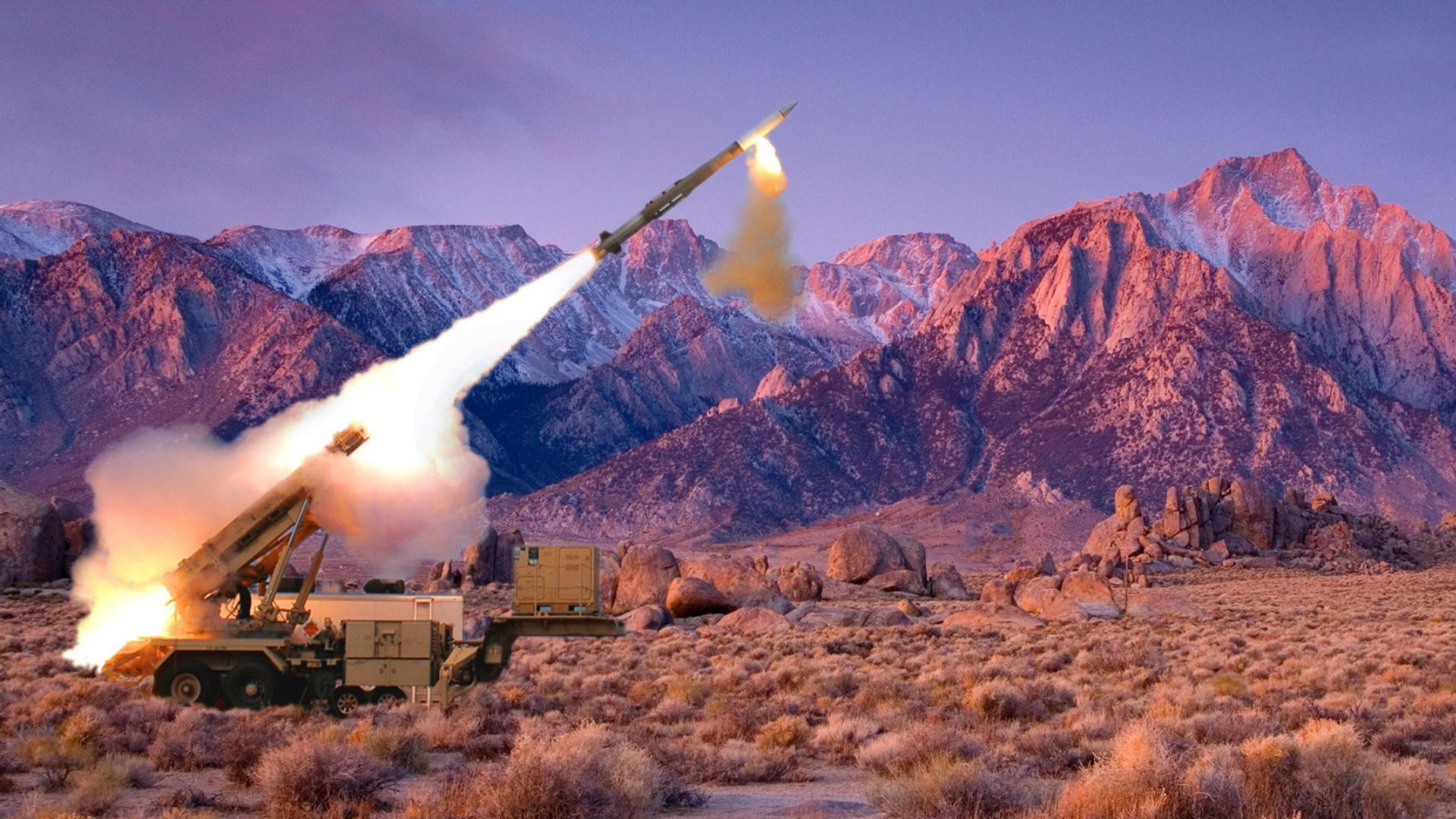
Boeing has secured a $14.7 billion award from Lockheed Martin to expand production of seekers for the PAC-3 MSE interceptor. The indefinite-delivery contract action supports a seven-year production framework agreed with the U.S. Department of War. Boeing will use the agreement to triple its current PAC-3 MSE seeker output. The PAC-3 MSE is the latest interceptor variant used by the Patriot air defense system. Its seeker helps the missile detect and track targets during an engagement. That capability matters against some of the hardest targets facing modern air defenses. PAC-3 interceptors can engage ballistic missiles, cruise missiles, aircraft and hypersonic threats. Boeing ramps up seeker output The seeker sits at the front of the interceptor and provides critical targeting information. It helps the missile maintain a track as it approaches its target. Boeing has already started preparing its Huntsville, Alabama, operation for the production increase. The company began ramping up manufacturing and hiring earlier this year. Steve Parker, president and CEO of Boeing Defense, Space & Security, said the company expects to deliver seekers at unprecedented production levels. He credited early investment and manufacturing improvements for putting the program in position to expand quickly. Parker also said Boeing intends to maintain its focus on quality as production increases. The manufacturing push extends beyond Boeing’s own facilities. The company has strengthened relationships with suppliers to support a larger and more resilient production network. Huntsville factory gets bigger Boeing has invested more than $200 million in PAC-3 seeker production since 2024. That spending includes a 35,000-square-foot expansion in Huntsville. The facility upgrades add capacity while modernizing the processes used to build the seekers. Boeing has also introduced new manufacturing technology and tighter production controls. Those changes target a simple industrial problem. A larger interceptor inventory requires enough seekers to keep missiles moving through production. The seven-year framework gives Boeing greater visibility into future demand. It also creates room for additional investments across the production chain. Hundreds of direct and indirect jobs could result from the expansion around Huntsville. The hiring effort has already begun alongside the production ramp. PAC-3 MSE targets harder threats PAC-3 MSE extends the Patriot system’s ability to defend against incoming threats. The interceptor uses hit-to-kill technology to destroy targets through direct impact. Its seeker becomes especially important during the final portion of an engagement. The component helps the interceptor identify and track the target before impact. The production increase arrives as the Pentagon pushes for faster weapons procurement and a stronger U.S. defense industrial base. Washington has placed greater emphasis on producing critical weapons at higher rates. Boeing’s expanded seeker capacity will support PAC-3 production for the United States and its allies. The company says the framework will help meet global demand for Patriot interceptors. The scale of the award also shows where the manufacturing bottleneck can sit inside a missile program. Increasing interceptor output requires the specialized components inside each missile to keep pace. Boeing now has a seven-year window to turn that expanded capacity into a much larger flow of PAC-3 MSE seekers.Get the latest in engineering, tech, space & science - delivered daily to your inbox.Aamir is a seasoned tech journalist with experience at Exhibit Magazine, Republic World, and PR Newswire. With a deep love for all things tech and science, he has spent years decoding the latest innovations and exploring how they shape industries, lifestyles, and the future of humanity.
4,000-mph PAC-3 MSE missile triples seeker production with $14.7 billion award
Full Article
Original Source
Read the full article at Interestingengineering →KhanList aggregates and links to publicly available news content. We do not host full articles from third-party sources. Always verify important information with original sources.