
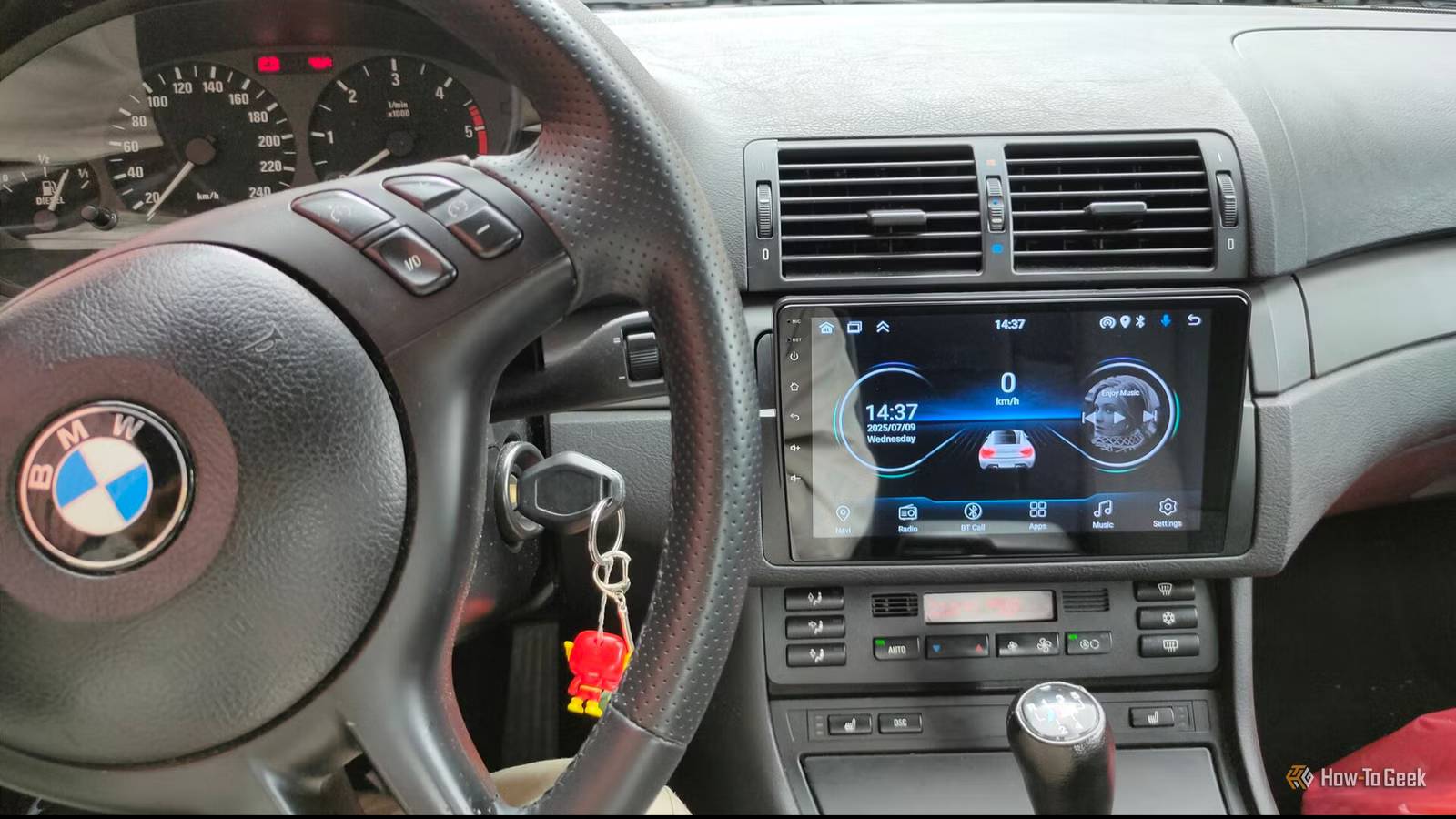
Published Oct 7, 2026, 8:30 AM EDT Ismar is a Senior Author at How-To Geek. He previously worked as a writer, editor, and general manager at a content agency before joining the team in 2023. He began his writing career in 2021 after completing a BA in English Language and Literature. Beyond How-To Geek, Ismar has contributed to Red Stag Fulfillment and Authority Hacker. He has also worked on various SEO projects to help clients improve their search visibility. Ismar has been around Windows PCs since the age of three, so friends and family naturally chose him as the resident tech support. His projects often involve tinkering, such as disassembling mechanical keyboards and gaming mice to mod his beloved gear. He also enjoys pushing hardware to the max through overclocking while staying on a reasonable budget. An avid gamer, Ismar has logged thousands of hours across various genres, including first-person shooters, RPGs, racing games, and roguelites. When he is not at his desk, he is probably exploring other people’s phones to discover their quirks and features or experimenting with the latest AI tools. In his free time, Ismar enjoys spending time with his wife, working out at the gym, playing guitar and bass, cooking gourmet meals, and traveling. Above all else, he’s a proud cat owner. 3D printing is one of the best things that's happened to cars. There's a near-endless sea of modifications and improvements you can make, ranging from universal stuff like dashboard mounts to highly specific pieces that are no longer being made for older cars. However, it's important to know what you can print and what you should really avoid before you start modifying your car. I've printed all kinds of stuff for my cars, and here are a few items I recommend, along with a few that I strongly discourage. Do print: Custom cup holder adapters One of the easiest ways to improve an old car’s storage My all-time favorite thing that I've ever 3D printed is a pair of cup holders for my old car. My Euro-spec BMW E46 didn't come with any cup holders from the factory (the US had them in the center), and the door storage pocket wasn't wide enough for bottles, either. I then came across an Etsy listing for a couple of 3D-printed cup holders that fit into the rear ashtray, which sits at the tail end of the center console, and instantly fell in love with the idea. So, I had my friend design a model based on my original ashtray. It's in the perfect spot because it's easy enough to reach, but it doesn't get in the way of the manual shifter. It's also away from direct sunlight, so almost any filament works. If you can find a similar unused storage spot where you think you could fit a pair of cup holders, it should be fairly easy to find a model or design something that fits that specific spot. Don't print: Windshield-mounted accessories Windshield temperatures can get out of hand Credit: Gt6k_57343 / Printables I use an ETC transponder at toll booths, and when I upgraded to my Toyota Corolla, I didn't have a way to mount it. So, I used the most heat-resistant filament I had, a nylon blend, to create a custom windshield holder for the transponder. It worked fine for a few weeks, until the weather got warmer in the summer and the nylon started to become pliable and sag under the weight of the transponder, possibly because it started absorbing moisture. The bottom line is that you shouldn't 3D print anything that goes on or near the dashboard unless you've carefully considered the material and design. That goes for things like dashboard mounts, GPS, radar detectors, phone mounts, parking ticket holders, and various other accessories close to the dashboard. PLA wouldn't work under direct sunlight, of course, but I wouldn't trust standard PETG or ABS for prolonged sun exposure either. ASA or perhaps reinforced nylon or PC are materials I'd be much more comfortable using, provided your printer is capable of handling them. Do print: Center console organizers Make clever use of awkward factory storage Credit: Jdsfighter / Printables The center console is one of the best places to get creative with a 3D printer. It's in a relatively shaded part of the cabin that's protected from direct UV exposure, though it can still get a bit too toasty for PLA. PETG is probably the right choice here. Many newer cars know how to make good use of this area, but older cars tend to have antiquated designs with ashtrays and car phones. They simply aren't made for our modern lives, which involve things like wallets, headphones, chargers, cables, and phones. I've seen my fair share of cool 3D-printed center console accessories and have made a few of them myself, such as dividers, coin holders, wireless charging trays, cable organizers, and various other custom compartments. Don't print: Exposed dashboard accessories It's not much cooler than the windshield Credit: JoschBru_2918541 / Printables Just like the windshield, the dashboard gets incredibly hot when your car is in direct sunlight. It's only marginally cooler than the glass, even if you use a windshield sunshade to protect it when the car is parked. Whether it's a vent phone stand, exposed tray, or random decorative item, these accessories ultimately suffer the same fate of becoming too pliable and deforming or sagging under load. Do print: Replacement trim and small interior pieces Perfect for unobtanium parts Credit: Patrick Campanale / How-To Geek There are thousands of different car models around the planet, which means there's also a near-endless sea of small plastic car parts that are hard or outright impossible to find in stores. Whether it's a missing plastic cover for child seat anchors, a trim piece for the door card, a carpet clip, volume knob, or bezel, there's almost always a way to 3D print it. If you can't find a model online, measure a piece that isn't broken or retrace the broken part and model it using your phone, then try a test print and adjust from there. If the part is in a particularly prominent area, you can try sanding and painting it. Don't print: Safety-critical or load-bearing components A failed print isn't worth finding out the hard way Credit: CUBEIFY / MakerWorld Just like with 3D printing custom trim parts, it can be tempting to try printing functional parts that are unique to your car. This includes a broad category of items that people commonly 3D print, such as LED headlight brackets, wheel hub center rings (trust me on this one), shifter linkage bushings and clips, steering and suspension parts, brake components, important structural brackets, seat-belt components, and various other parts that are in direct contact with an important part of the vehicle. Even if you pick the strongest filament in the world, that doesn't automatically make it suitable for a safety-critical application. Do print: Glovebox and trunk accessories The best places to get creative Credit: JPENT / MakerWorld One of the best places to test out 3D-printed parts is the glovebox and trunk. While these areas absolutely do get scorching hot, they are still well-shaded and protected from direct UV exposure. They're also fairly hidden, giving you a chance to finally put that awful pink PETG filament you've had lying around for years to good use. There are all kinds of cool little parts you can 3D print for these two storage areas: dividers, hooks, trays, tool holders, custom USB brackets, cable management bits, and organizers. Go online and check out what people have 3D printed for your specific car in these two areas. I'm sure you'll find at least a few cool things. Printing automotive parts often means knowing your printer's limits There's no shortage of unique and genuinely useful things you can 3D print for your car, but it's important to know what kind of conditions different filaments can handle, as well as the capabilities of your own 3D printer. If you've got a powerful 3D printer that can print ASA, you can probably get away with printing windshield and dashboard accessories, but steer clear of mechanical and safety parts.
4 things you can 3D print for your car (and 3 you really shouldn't)
Full Article
Original Source
Read the full article at Howtogeek →KhanList aggregates and links to publicly available news content. We do not host full articles from third-party sources. Always verify important information with original sources.