
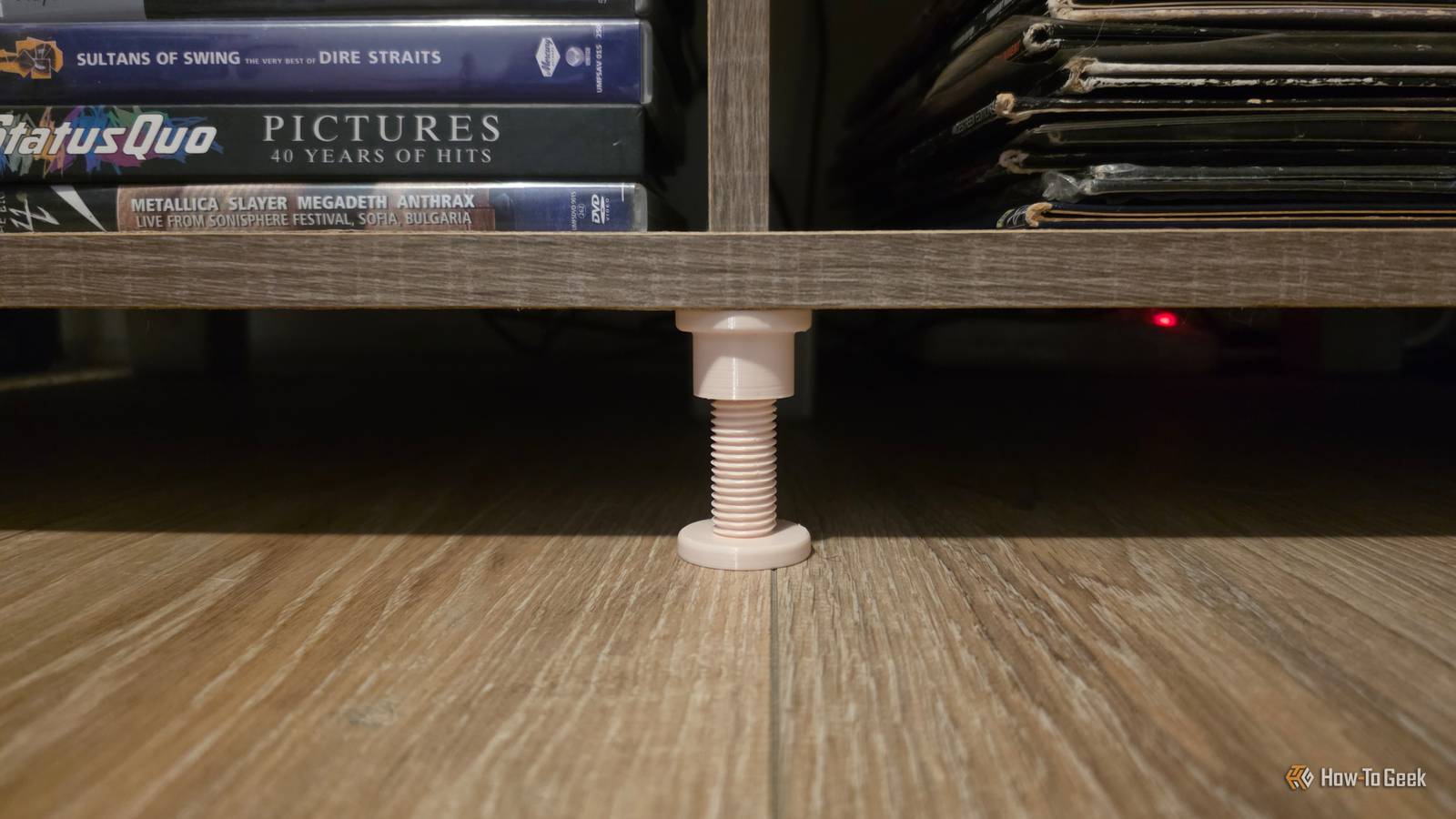
Published Nov 10, 2026, 8:00 PM EST Sydney Butler is a technology writer with over 20 years of experience as a freelance PC technician and system builder and over a decade as a professional writer. He's worked for more than a decade in user education. On How-To Geek, he writes commerce content, guides, opinions, and specializes in editing hardware and cutting edge technology articles. Sydney started working as a freelance computer technician around the age of 13, before which he was in charge of running the computer center for his school. (He also ran LAN gaming tournaments when the teachers weren't looking!) His interests include VR, PC, Mac, gaming, 3D printing, consumer electronics, the web, and privacy. He holds a Master of Arts degree in Research Psychology with a minor in media and technology studies. His masters dissertation examined the potential for social media to spread misinformation. Outside of How-To Geek, he hosted the Online Tech Tips YouTube Channel, and wrote for Online Tech Tips, Switching to Mac, and Helpdesk Geek. Sydney also wrote for Expert Reviews UK. He also has bylines at 9to5Mac, 9to5Google, 9to5Toys, Tom's Hardware, MakeTechEasier, and Laptop Mag. One of the main promises of 3D printing technology is that you can use it to create all sorts of useful household objects and even repair broken parts on your appliances and other items by printing spare parts. Or, more likely, the spare parts are just too expensive. In practice, I barely ever use my 3D printer this way, because the part I need is too specific and designing it myself isn't worth the effort, or because it is, in fact, cheap to just get the right thing. However, in some cases, a 3D printer has effectively solved a household issue that you generally can't just fix with money. Curtain rod end caps A real show-stopper You might be thinking this is silly, but if you live in an old place and the curtain rod end caps are missing or break for some reason, it can be very hard to find replacement caps that fit the rods you have. The shape and size of these things have changed ever so slightly over the years, which means you might have to replace the whole rod or come up with some janky solution, like duct-taping the open end of the rod to keep your curtain from flying off. While the curtain rod stoppers you'll find on 3D printing sites might not match your rod exactly, it's far easier to just modify them based on the measurements you take than to design something from scratch. The basic built-in modeling tool in your 3D printer slicer will probably be enough to bang the closest model you can find into shape. It just has to match the inner diameter of the rod, and line up the screw hole. Couch feet An uplifting experience Credit: HD_Creator The last modern couches I bought came with hollow plastic feet, and one was already half broken out of the box but still functional. I know it's probably going to properly break in an upcoming move to a new place, so I've been looking for a 3D-printed solution, rather than trying to get an original replacement for a couch that was end-of-the-line when I bought it a year or two prior. The good news is that there are plenty of options online, created by talented modelers. They may not match the exact design of your existing couch feet, but many couch designs don't expose their feet anyway. What's more important are the vertical heights, and whether the screws or bolts your couch uses are compatible. Luckily, many of these replacement feet offer a variety of choices when it comes to fastening. One solution I found that looks like a good replacement for more than just a couch foot is HD-Creator's Adjustable furniture support. Using the standard settings, this can hold 55lbs, but if you print it with 100% infill, which is four times more than the recommended amount, it should take significantly more than that. Robot vacuum ramp Upsy-daisy! Credit: The Kit Card Guy Because the place I live in at the moment has a layout that makes it practically impossible for robot vacuums to do their job, I sold both of mine. However, while I had them, I wish I had a 3D printer too, because these robot vacuum ramps would have been a lifesaver. While some of the more advanced modern robot vacuums can stand up on their little pseudo-legs and mantle pretty high thresholds, the typical budget models most people have can't manage them. Which means you either have to pick them up and put them where you need them, or you need to upgrade the whole machine. Well, there are lots and lots of robot vacuum ramps to choose from, but the modular robot vacuum door ramp by The Kit Card Guy is one of the most popular. If you place them strategically around your home, I bet you'll cut down on how much babysitting your robot vacuum needs by a huge margin. You might in fact need fewer vacuums, since at one point I was running two machines simply because I could not be bothered to carry one up to a higher level several times a week. It's not just ramps either; there are tons of 3D-printed robot vacuum goodies to try. The future looks bright It's great how inventive people can be with nothing more than a 3D printer that works only in plastic filament, but what really excites me is how other types of manufacturing are coming to desktop devices. Multifunction 3D printers might not be as good as they sound yet, but I'd love a printer that could make objects containing both plastic and metal parts, such as an internal metal frame or metal screw thread. The other big problem is designing the parts. 3D scanners are a cool tool, but it's still a long way from a one-step solution to replicating something that's broken. I've been experimenting with AI-assisted designs to help me make replacement parts such as AV input doors on old TVs or remote control battery flaps, but the results aren't usable yet. However, the way things are going, I expect that to change sooner rather than later.
3 household fixes only my 3D printer could solve
Full Article
Original Source
Read the full article at Howtogeek →KhanList aggregates and links to publicly available news content. We do not host full articles from third-party sources. Always verify important information with original sources.