
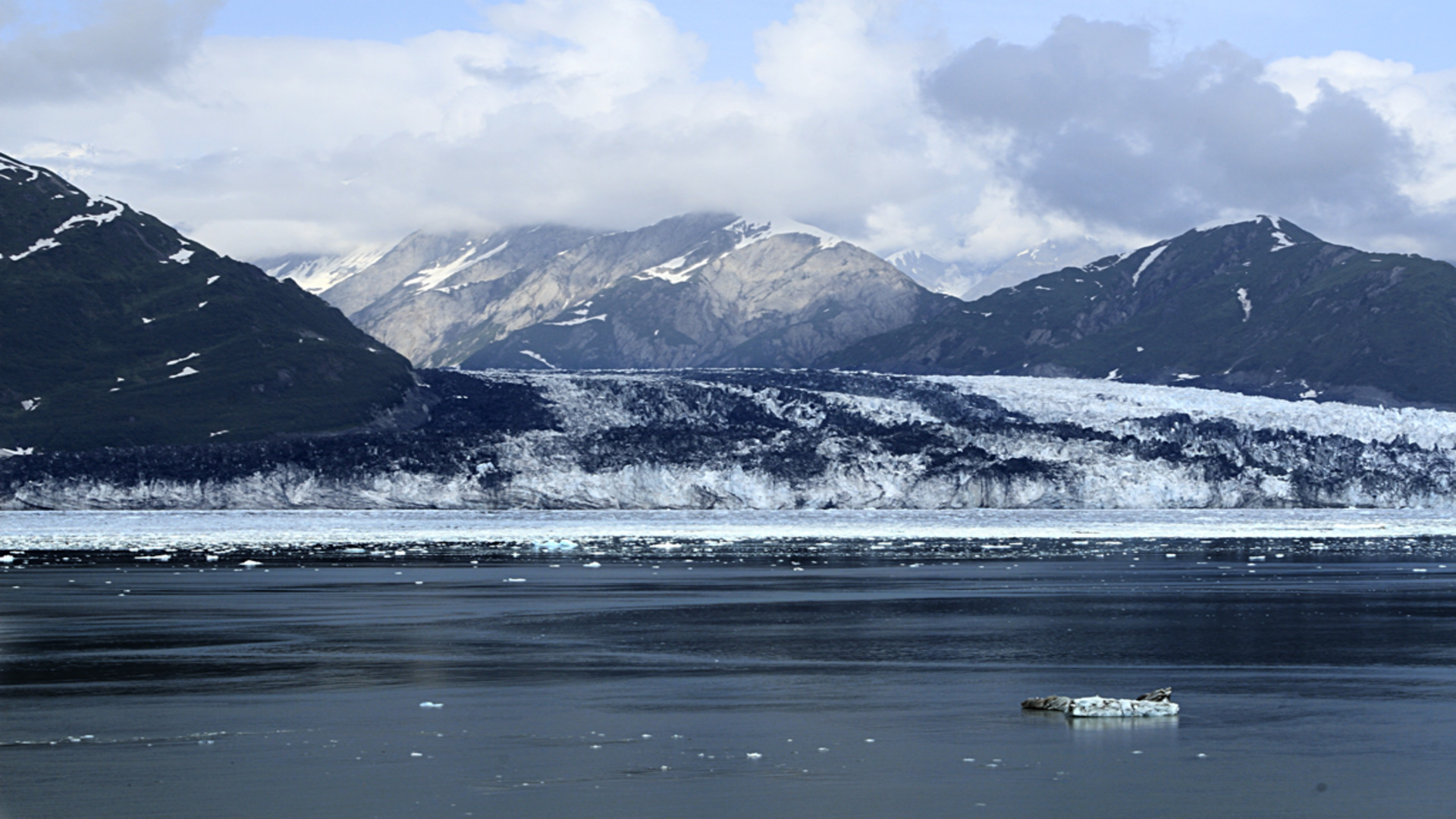
Heavy rainfall can increase the speed of an Alaskan glacier by as much as 251 percent during its slow-flow phase, according to a new study examining how precipitation influences glacier movement during both surge and quiescent periods. Boise State University researchers analyzed GPS measurements from Turner Glacier (Sít’ Kusá) in Alaska. They compared rainfall-driven speed changes during a surge between 2020 and 2021 with a slower-flow period from 2022 to 2024. The findings showed that rainfall can accelerate the glacier in both phases, although the frequency, magnitude, and duration of these speed-up events differ depending on the glacier’s state. Rainfall alters glacier speed Surge-type glaciers undergo periodic order-of-magnitude increases in flow speed, reaching rates higher than their usual movement, the study found. To investigate these effects, researchers compared 10 GPS-derived glacier surface speed records with modeled rainfall estimates. According to the study, GPS instruments installed around the glacier recorded its position every 15 seconds. Researchers also compared rainfall estimates with measurements from a weather station at nearby Yakutat Airport. The researchers identified speed anomalies by comparing short-term and long-term average speeds. They examined the duration, magnitude, and timing of these changes following large rainfall events. During the 2020–2021 surge, nine of 16 large rainfall events, or 56 percent, recorded speed anomalies. The glacier reached speeds of 24.6 feet per day, representing a 116 percent increase. These acceleration events lasted an average of 66.5 hours, the study found. Between 2022 and 2024, rainfall-induced acceleration occurred less frequently. Of 37 rainfall events, 17 showed speed-ups, or 46 percent. These events produced smaller speed changes of approximately 1.5 meters (4.9 feet) per day and lasted around 33 hours. However, the percentage increase was considerably greater, reaching 251 percent. According to the team, acceleration during the surge generally began about 12 hours after rainfall started, while speed increases during quiescence peaked approximately 32 hours after rainfall began. The study reported that acceleration was greatest in the glacier’s lower sections during both phases, compared with areas higher in the valley. Drainage changes during surge The researchers examined these speed changes to understand better how the glacier’s drainage system responds to rainfall. Glacier drainage efficiency influences how water moves beneath the ice. According to the team, inefficient drainage can allow water pressure to build beneath a glacier, reducing friction between the ice and the ground. The study found that differences in acceleration characteristics indicated more efficient drainage during quiescence. However, rainfall-induced acceleration occurred during both phases, suggesting that an inefficient component of the drainage system persisted throughout the glacier’s surge cycle. The researchers also found that particularly large and prolonged rainfall events could temporarily slow the glacier during its surge. Speeds subsequently returned to pre-event levels in less than two weeks as the drainage system reverted to its inefficient state. The findings support recent research that suggests glacier drainage systems do not simply switch between two configurations during surge cycles. According to study authors, the results demonstrate that rainfall can affect the movement of both fast- and slow-flowing glaciers, helping scientists to understand how glacier speeds respond to precipitation. Get the latest in engineering, tech, space & science - delivered daily to your inbox.Originally from LA, Maria Mocerino has been published in Business Insider, The Irish Examiner, The Rogue Mag, Chacruna Institute for Psychedelic Plant Medicines, and now Interesting Engineering.
251% faster: Heavy rain could speed up Alaskan glacier surging nearly 25 feet a day
Full Article
Original Source
Read the full article at Interestingengineering →KhanList aggregates and links to publicly available news content. We do not host full articles from third-party sources. Always verify important information with original sources.