
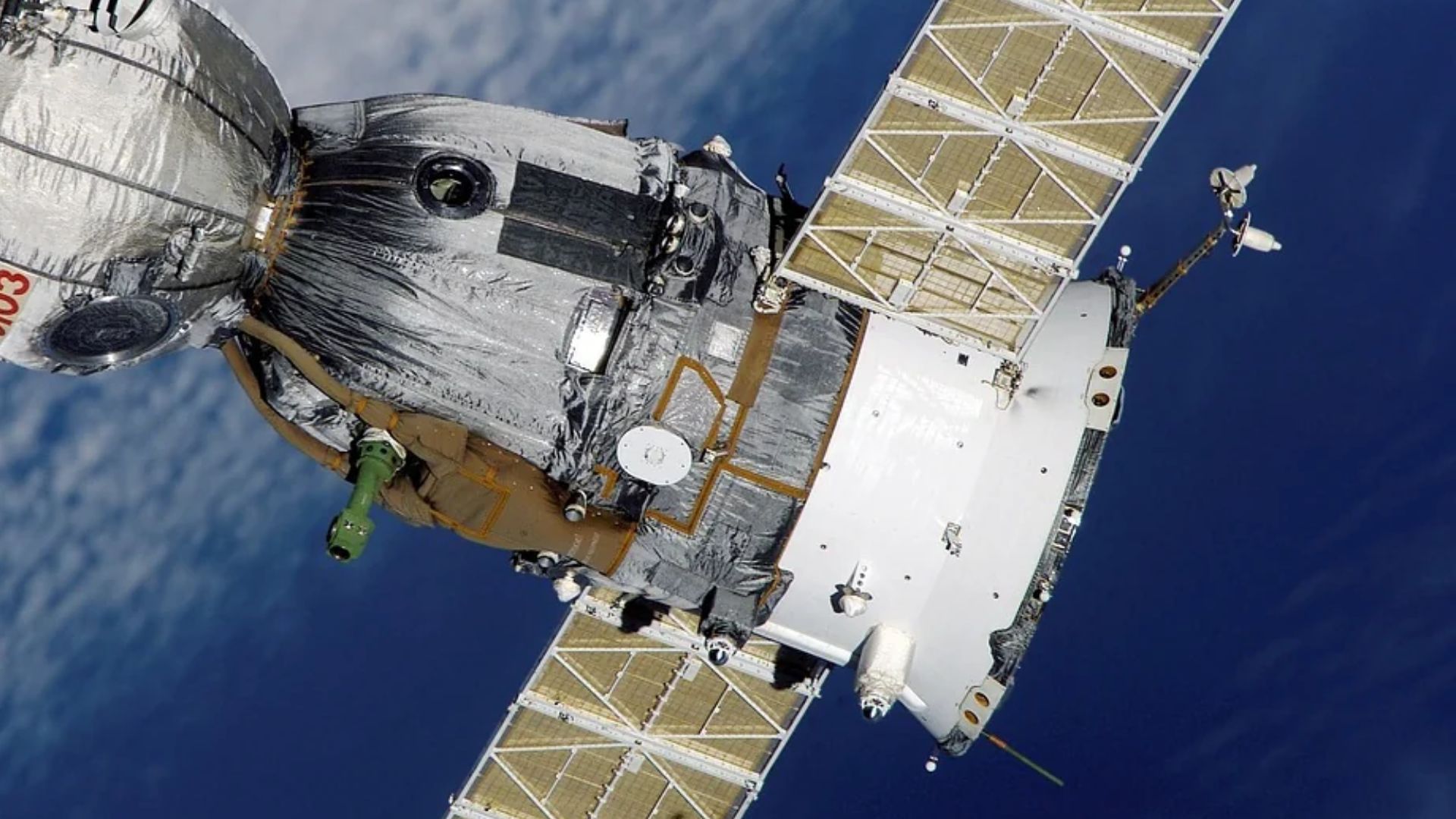
The high performance The radar satellite in sun-synchronous orbit will provide systematic global coverage.PixabayKey TakeawaysThe new satellite is designed to provide Italy with a comprehensive radar observation capability, complementing existing X-band and C-band satellite assets.The mission will also ensure continuity of L-band data from Argentina's SAOCOM programme while expanding its use across the Euro-Mediterranean region.The L-band Synthetic Aperture Radar technology offers several advantages for monitoring the Earth's surface.A new type of high performance radar is set to strengthen Italy’s national security and improve environmental monitoring. For this, Thales Alenia Space has signed a contract with the Italian Space Agency (ASI) to develop an advanced L-band Synthetic Aperture Radar (SAR) satellite. The development marks a significant step in Italy’s efforts to strengthen its Earth observation infrastructure and space-based monitoring capabilities.The 2.2-ton satellite will strengthen Italy’s Earth observation capabilities, improve environmental monitoring and support national security across the Euro-Mediterranean region.Under the agreement, Thales Alenia Space, a joint venture between Thales (67%) and Leonardo (33%), will serve as the prime contractor and take responsibility for the end-to-end satellite system, including the spacecraft and its radar payload. The company will also develop the payload electronics and antenna in-house. Comprehensive radar observation capability The new satellite is designed to provide Italy with a comprehensive radar observation capability, complementing existing X-band and C-band satellite assets. The mission will also ensure continuity of L-band data from Argentina’s SAOCOM programme while expanding its use across the Euro-Mediterranean region.“I thank the Italian Space Agency for entrusting Thales Alenia Space with this strategic contract for Italy,” stated Giampiero Di Paolo, Deputy CEO and SVP Observation, Exploration and Navigation at Thales Alenia Space. “Leveraging our longstanding experience in the development of Earth observation satellites such as COSMO-SkyMed or various Copernicus missions, we are committed to delivering a state-of-the-art satellite system that enhance national security, environmental stewardship, and technological sovereignty.”The Italian Space Agency’s national L-band SAR mission aims to provide Italy with a comprehensive radar observation capability that complements existing X and C band assets. It ensures continuity of L-band data from SAOCOM and maximizes its use over the Euro-Mediterranean region for observation, environmental monitoring, and security. The L-band’s unique advantages include better vegetation penetration, lower signal loss, and greater interferometric coherence, making it ideal for monitoring ground deformation, geological hazards, biomass, soil moisture, civil protection, and territorial security, according to a press release. The mission will enable interoperability with other L-band SAR missions and multi-band systems like COSMO-SkyMed and Copernicus, supporting robust data services for institutional, scientific, and commercial users, as per the release. New radar technology offers several advantages It was also revealed that the high performance radar satellite in sun-synchronous orbit will provide systematic global coverage and on-demand acquisitions, with revisit times and image quality suited to scientific and security applications. The 2.2-ton SAR-L satellite features a large deployable antenna over 26 square meters designed to meet national security needs such as geological risk monitoring and civil protection.The L-band Synthetic Aperture Radar technology offers several advantages for monitoring the Earth’s surface. Compared with higher-frequency radar systems, L-band signals can penetrate vegetation more effectively, experience lower signal loss and provide greater interferometric coherence.These capabilities make the technology particularly useful for monitoring ground deformation, geological hazards, biomass, soil moisture and other environmental parameters.The satellite is also expected to support civil protection operations, territorial security and scientific research by providing reliable information about changes occurring across the Earth’s surface.Get the latest in engineering, tech, space & science - delivered daily to your inbox.Prabhat, an alumnus of the Indian Institute of Mass Communication, is a tech and defense journalist. While he enjoys writing on modern weapons and emerging tech, he has also reported on global politics and business. He has been previously associated with well-known media houses, including the International Business Times (Singapore Edition) and ANI.
2.2-ton high perfomance radar satellite set to boost US ally’s security and environmental monitoring
Full Article
Original Source
Read the full article at Interestingengineering →KhanList aggregates and links to publicly available news content. We do not host full articles from third-party sources. Always verify important information with original sources.