
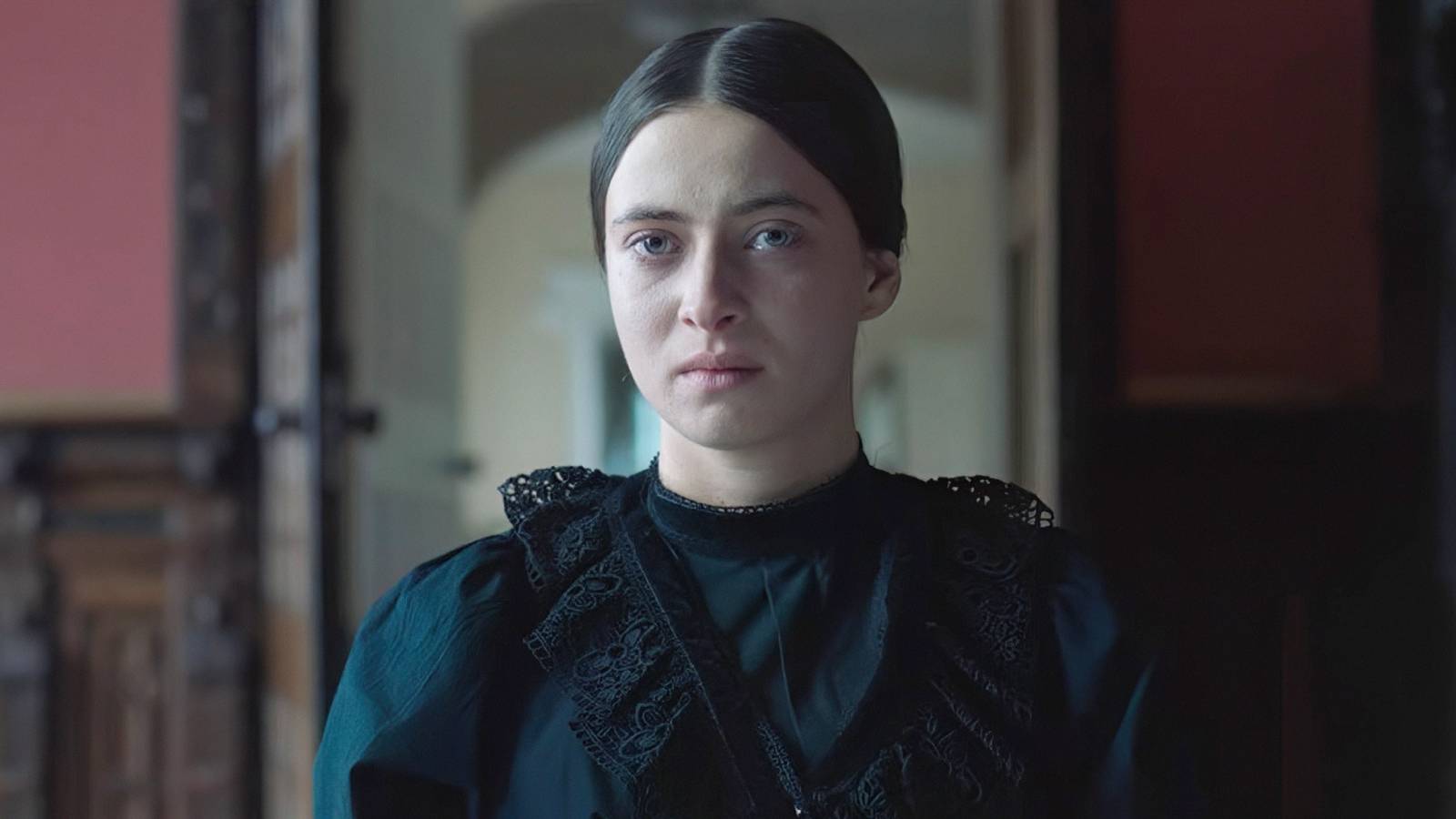
Published Oct 23, 2026, 6:00 AM EDT It was Sheridan Le Fanu's dark, gothic tale about isolation and betrayal Edgar Allan Poe didn't write the first locked-room mystery Image: Quiver Distribution / Courtesy Everett Collection Gothic horror feels timeless for a reason. These stories tap into universal sentiments like psychological trauma and the fear of the unknown. Gothic horror books often transform desolate settings into oppressive sources of fear. Isolated mansions, dark forests, and empty cemeteries evoke dread even before a monster appears on the page. In a certain sense, Gothic horror feels like a thematic precursor to liminal horror, where uncanny architecture evokes dread alongside literal creatures of the dark. Authors like Bram Stoker (Dracula), Henry James (The Turn of the Screw), and Wilkie Collins (The Woman in White) are considered prominent Victorian-era Gothic horror writers. That said, one must not forget J. Sheridan Le Fanu, who penned Carmilla, a pioneering lesbian vampire novella that predates Stoker’s Dracula by 25 years. Considered one of the best ghost story writers of his generation, Le Fanu is also known for his macabre poetry and his horror story collection, In a Glass Darkly. While Carmilla has enjoyed a resurgence in popularity over the years, the Gothic horror genre owes a debt to Le Fanu’s 1864 novel, Uncle Silas, which is based on his 1838 short story, “A Passage in the Secret History of an Irish Countess.” Uncle Silas pioneered the locked-room mystery format Image: Universal Pictures Like Carmilla, Uncle Silas opens with the first-person narration of a young female protagonist. Heiress Maud Ruthyn lives in an opulent mansion with her somber, reclusive father, Austin Ruthyn. Maud recounts her childhood growing up in this isolated setting, and how her relationship with her father is mostly distant. Even so, she remains devoted to his wishes and spends most of her time trying to understand his reserved nature. As the novel progresses, we hear about the black sheep of the family: Uncle Silas, a notorious ex-rake and gambler, who claims to have repented for his sins by becoming a reformed Christian. Maud has reason to fear even before she personally crosses paths with her dubious uncle. Her father appoints a governess named Madame de la Rougierre to ease Maud’s loneliness, but this woman comes off as both suspicious and frightening. She is even more terrifying from Maud’s naive perspective, as the governess actively endangers the young girl at several points. Le Fanu writes Madame de la Rougierre like an eldritch caricature of a human woman, adding an eerie sense of danger within a domestic setting. The heart of the horror, however, is a murder mystery. The mysterious mansion of Bartram-Haugh becomes the site of a suspicious suicide. One of Silas’ major debtors is found dead inside this impenetrable mansion, drawing further scrutiny to his already precarious reputation. After a while, Maud is compelled to travel to Bartram-Haugh to clear her uncle’s name, as she shares her father’s misplaced belief that Silas is innocent. With no means of escape, Maud must solve this inexplicable locked-room murder. This format is said to have been popularized by Edgar Allan Poe's 1841 tale, The Murders in the Rue Morgue, even though Le Fanu published A Passage in the Secret History of an Irish Countess three years prior. Uncle Silas is a claustrophobic exploration of human malice Image: Polygon While Le Fanu adds some ambiguous supernatural elements to the book, Uncle Silas is primarily about the horrors of human malice. Maud, who is a minor, is constantly taken advantage of by unsavory adults who harbor motivations she doesn’t fully understand. Even her father, Austin, puts her in a precarious position by adding a conditional codicil to his will, which endangers her life yet again. Unlike Madame de la Rougierre’s dramatic brand of evil, Silas feels like a grounded antagonist who covertly pulls the strings from the shadows. Even so, he is described as a creature haunting his mansion like a vampiric recluse. The Gothic horror aspects of Uncle Silas shine brightly with Le Fanu’s ability to weave atmospheric dread into events that feel plausible. The possibility of a naive child being duped by manipulative adults is as real as it gets, adding a realistic tint to Maud’s struggles. Although she is strong-willed and intelligent in her own right, Maud’s instinctive urge to trust people puts her in truly helpless situations. Le Fanu extends this vulnerability into a fear of liminal spaces. When Maud steps into the decaying halls of Bartram-Haugh, every locked room and eerie corridor adds to the vulnerability of her position. Carmilla explores female homoeroticism and its intersection with social class. Uncle Silas, on the other hand, exposes how female agency is grossly limited in a patriarchal society that thrives on exploitation. At the halfway point, the book morphs into a survival horror. Although no entities give Maud chase, she must ensure her survival despite being cornered and having nobody to turn to. Can she outwit her captors and escape the limitations of Victorian society? Uncle Silas brings this thread to a satisfying conclusion, offering an experience more profound (and terrifying) than the average sensation novel.
187 Years Ago, a Gothic Horror Story Beat Edgar Allan Poe to the Locked-Room Mystery
Full Article
Original Source
Read the full article at Polygon →KhanList aggregates and links to publicly available news content. We do not host full articles from third-party sources. Always verify important information with original sources.