
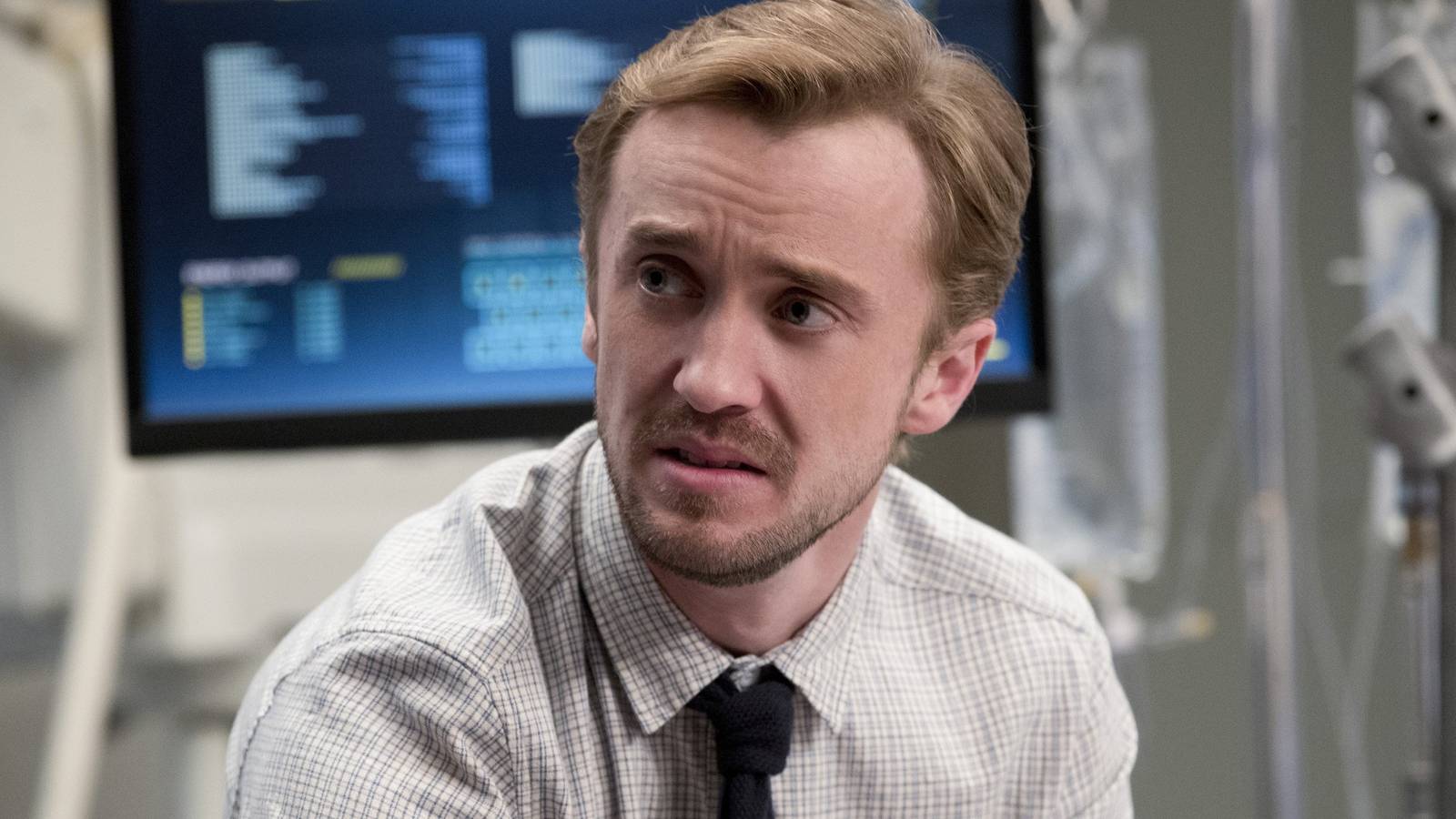
Published Oct 22, 2026, 8:45 AM EDT Ben is a Senior Writer on the New TV team at Screen Rant. He graduated from the University of Central Lancashire with a First Class B.A. Degree in English Literature and History. Born and raised in Ireland, Ben has always had a love for storytelling in all forms of media and operates multiple projects under the name Benjamin Blogs. Ben is a comic book writer and podcast host, in addition to his work as an entertainment journalist. He has worked as both a writer and editor for Screen Rant, Collider, and other media outlets across various departments, including features, news, reviews, and interviews. Sign in to your ScreenRant account Sci-fi TV is a challenging genre to get right, and harder still to maintain momentum season after season. Often, the challenge with creating a compelling sci-fi narrative is finding the balance between realism and the fantastical fiction that transforms these stories into something that exists beyond our own reality. In order to achieve this, sci-fi shows often end up costing a significant sum of money just to get the ball rolling, and for that very reason, they are often scrutinized more intensely and canceled sooner if the show does not perform as intended. So, when a sci-fi series manages to hit the ground running, it's worth talking about. That is exactly what happened for The CW's hit superhero sci-fi series, The Flash. Starring Grant Gustin as Barry Allen, the show was set inside the newly formed Arrowverse and debuted in 2014, two years after Stephen Amell's series Arrow kicked things off. Despite its position as a sequel series, The Flash quickly became the flagship show of the Arrowverse, which led to the show's spectacular, and somewhat chaotic, run. The Flash Started Strong And Quickly Fell Apart When Arrow first appeared on TV, it received widespread praise from audiences for bringing a more obscure comic book character, the Green Arrow, to the forefront of a new story, not entirely dissimilar from how 2008s Iron Man gave new life to a character for Marvel and kicked off the MCU. Then, in a similar vein, when the cameos and crossovers began appearing in rapid succession, with Gustin's Barry Allen appearing in Arrow as early as 2013, when he teamed up with Oliver Queen in Arrow season 2. The popularity of the shared comic book universe certainly gave the show a push, but what The Flash managed to deliver in its debut season is absolutely the reason the series became such a sensation. From introducing major rivals like the Reverse Flash, to delivering hard-hitting twists, and adapting notable comic book storylines like Flashpoint to some degree, early seasons of The Flash were a triumph for DC and sci-fi TV as a whole. The series leaned into advanced technologies, time travel, spontaneous human evolution, and more in a way that carried the show for the first three seasons. Unfortunately, the story did start to drag a little come season 4 and beyond, and it was clear that the ideas were beginning to thin out, while half a dozen other shows in the Arrowverse were all getting more attention from the creative teams, leading to a distinct shift in tone and quality. Things got messier, plots got needlessly complex, and the pace slowed. The Flash Managed To Hold On For 9 Seasons Image via MovieStillsDB However, in the face of a noticeable drop in quality, The Flash managed to hold on for several more seasons. The good will the show garnered thanks to the incredible opening seasons ensured fans kept coming back, and the characters on the screen became vastly more compelling than the stories that they were placed inside of. On top of that, the crossover capabilities of The Flash ensured that if audiences were tuned in for any of the shows in the broader Arrowverse, they would be encouraged to keep up with the others in order to follow the major events that frequently defined each season of these shows. And despite a drop in quality, The Flash was still a lot of fun. Sure, it was missing clever twists and turns that felt so satisfying in earlier seasons, and some stories struggled to break the mold in a meaningful way, but for nine seasons in total, The Flash delivered one of the most fun and enduring superhero sci-fi narratives on TV, outpacing most every other comic book show ever made, and delivering a sci-fi show with a cast of captivating characters. Release Date 2014 - 2023-00-00 Network The CW Showrunner Eric Wallace Directors Stefan Pleszczynski, David McWhirter, Dermott Downs, Alexandra La Roche, Ralph Hemecker, Phil Chipera, Rachel Talalay, Marcus Stokes, Chris Peppe, Danielle Panabaker, Menhaj Huda, Jesse Warn, Glen Winter, Gregory Smith, Chad Lowe, Jeffrey W. Byrd, Rob Hardy, Tom Cavanagh, Kevin Tancharoen, Millicent Shelton, Vanessa Parise, Kevin Smith, Brent Crowell, Eric Dean Seaton Writers Lauren Certo, Judalina Neira, Kelly Wheeler, Alison Schapker, Zack Stentz, Joe Peracchio, Julian Meiojas, Lilah Vandenburgh, Keto Shimizu, Gabe Snyder, Mike Alber, Gabrielle Stanton, Jaime Paglia, Carina Adly MacKenzie, Emily Silver, Bryan Q. Miller, Ray Utarnachitt Franchise(s) Arrowverse Creator(s) Greg Berlanti, Geoff Johns, Andrew Kreisberg
184-Episode Sci-Fi Show Was Peak Television For 3 Seasons Before Going Off The Rails
Full Article
Original Source
Read the full article at Screenrant →KhanList aggregates and links to publicly available news content. We do not host full articles from third-party sources. Always verify important information with original sources.