
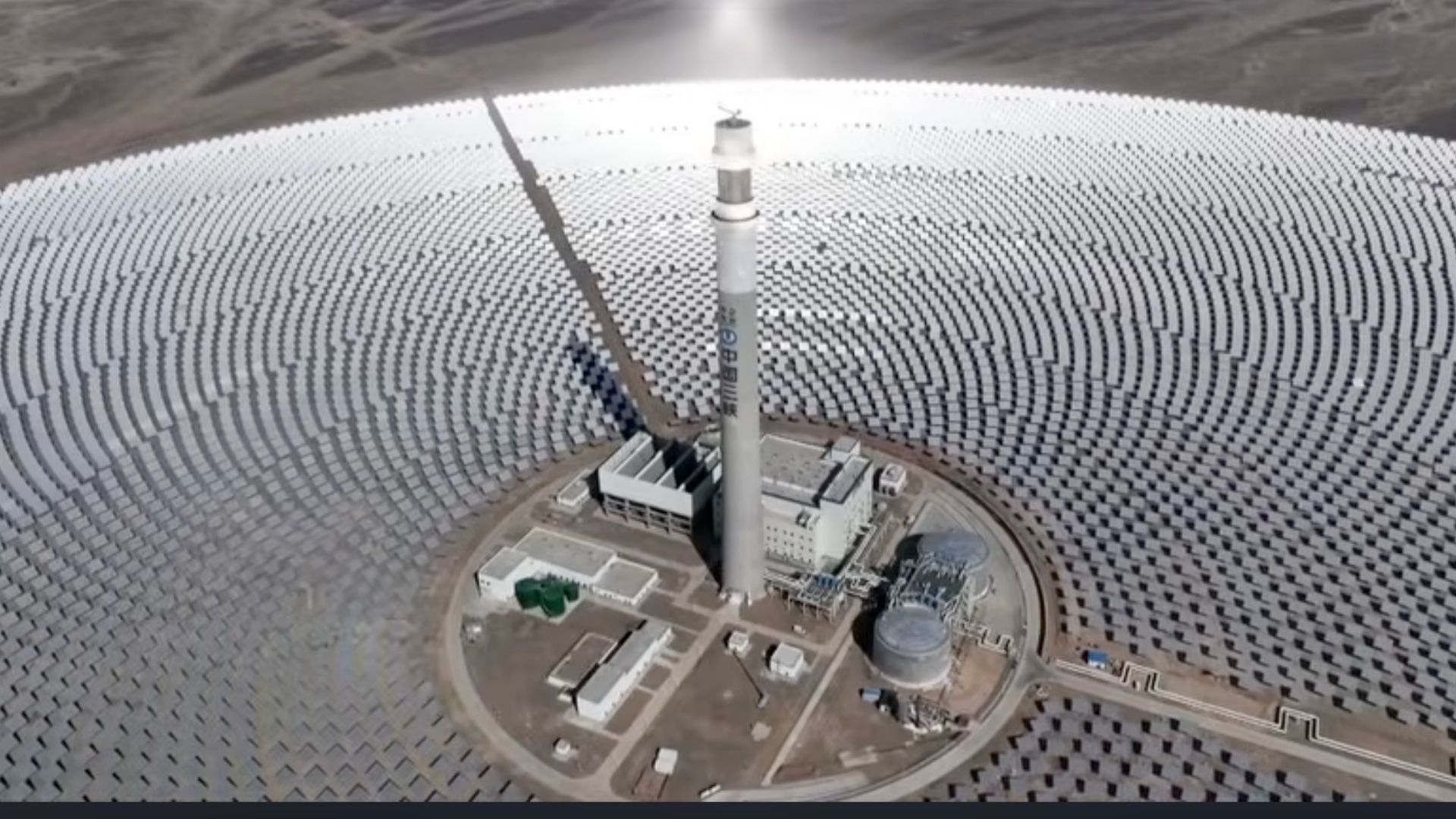
China has connected the first generating unit of a solar power demonstration project in Xizang to the national grid, marking a milestone for renewable energy development at extreme altitudes. Located in Gar County, Ngari Prefecture, at an average elevation of 4,300 meters (14,100 feet), the project combines photovoltaic panels with solar thermal generation and energy storage to provide electricity even when sunlight is unavailable. Developed by China General Nuclear Power Group (CGN), the facility has a total installed capacity of 150 megawatts (MW), comprising a 100 MW photovoltaic plant and a 50 MW solar thermal power station. It is expected to generate approximately 270 million kilowatt-hours of electricity annually and reduce carbon dioxide emissions by around 168,200 tonnes a year, once fully operational. The project is being described as the world’s highest-altitude grid-connected solar thermal power station. Its significance lies not only in its location but also in its ability to store solar energy as heat and use it to generate electricity after daylight hours. How the hybrid solar thermal system works Unlike conventional photovoltaic systems, which convert sunlight directly into electricity, concentrated solar power (CSP) uses thermal energy as an intermediate step. Mirrors concentrate sunlight onto a receiver, heating a fluid or another storage medium. The collected heat can then produce steam to drive a turbine and generate electricity. Thermal storage allows this process to continue when sunlight weakens or disappears. In the Gar County project, CGN is using a photovoltaic-plus-molten-salt-electric-heating approach. Electricity generated by the solar panels can be used to heat molten salt, which stores energy until it is needed. The hot salt can then supply heat to a steam-generation system connected to a turbine. This arrangement gives the project another way to use surplus daytime solar electricity rather than relying entirely on immediate grid demand. It can also help address one of solar power’s biggest limitations: generation does not always coincide with electricity demand. According to the International Energy Agency’s SolarPACES program, thermal storage makes concentrated solar power dispatchable, allowing plants to generate electricity during cloudy periods and after sunset. Building solar power plants above 4,000 meters Operating at an altitude of 4,300 meters presents engineering and logistical challenges beyond those encountered at conventional solar installations. High-altitude locations can experience low air density, intense solar radiation, strong winds, large day-to-night temperature differences, and severe winter conditions. CGN has described its wider high-altitude solar thermal work as requiring equipment and construction methods adapted to oxygen-deficient environments, low temperatures, and a short effective construction season. These conditions can complicate equipment installation, maintenance and the operation of thermal systems. The Gar County project is not China’s only major attempt to develop solar thermal generation on the Tibetan Plateau. A separate 100 MW tower-type concentrated solar power plant is under development in Amdo County, at an elevation exceeding 4,650 meters. That project, developed by Xizang Development Investment Group, has installed 15,927 heliostats, or sun-tracking mirrors. Covering more than 800,000 square meters, the field directs sunlight toward a central receiver tower, where molten salt is heated to approximately 560 degrees Celsius. The system includes eight hours of thermal energy storage and is expected to generate around 260 million kilowatt-hours annually once operational. The two facilities use different configurations: Gar combines photovoltaic generation with electric heating and molten-salt storage, while Amdo uses a central tower and heliostat field to concentrate sunlight directly. Why thermal storage matters for renewable power The projects reflect a larger effort to make renewable electricity more reliable in regions where grid infrastructure and conventional power supplies face constraints. Photovoltaic panels can generate substantial electricity during sunny periods, but output falls when sunlight is unavailable. Thermal storage provides a way to shift some of that generation to later hours. For remote communities in Xizang, where winter conditions and difficult terrain can complicate energy supply, this flexibility could be particularly valuable. According to Global Times, the Gar project also created employment for more than 500 local farmers and herders during construction. Neither installation alone resolves the challenges of supplying reliable power across the plateau. But they demonstrate how combining solar generation with thermal storage could expand the role of renewables beyond daytime electricity production, even in some of the world’s most demanding environments. Get the latest in engineering, tech, space & science - delivered daily to your inbox.Kaif Shaikh is a journalist and writer passionate about turning complex information into clear, impactful stories. His writing covers technology, sustainability, geopolitics, and occasionally fiction. A graduate in Journalism and Mass Communication, his work has appeared in the Times of India and beyond. After a near-fatal experience, Kaif began seeing both stories and silences differently. Outside work, he juggles far too many projects and passions, but always makes time to read, reflect, and hold onto the thread of wonder.
14,100 feet: China activates world’s highest grid-connected solar thermal plant
Full Article
Original Source
Read the full article at Interestingengineering →KhanList aggregates and links to publicly available news content. We do not host full articles from third-party sources. Always verify important information with original sources.