
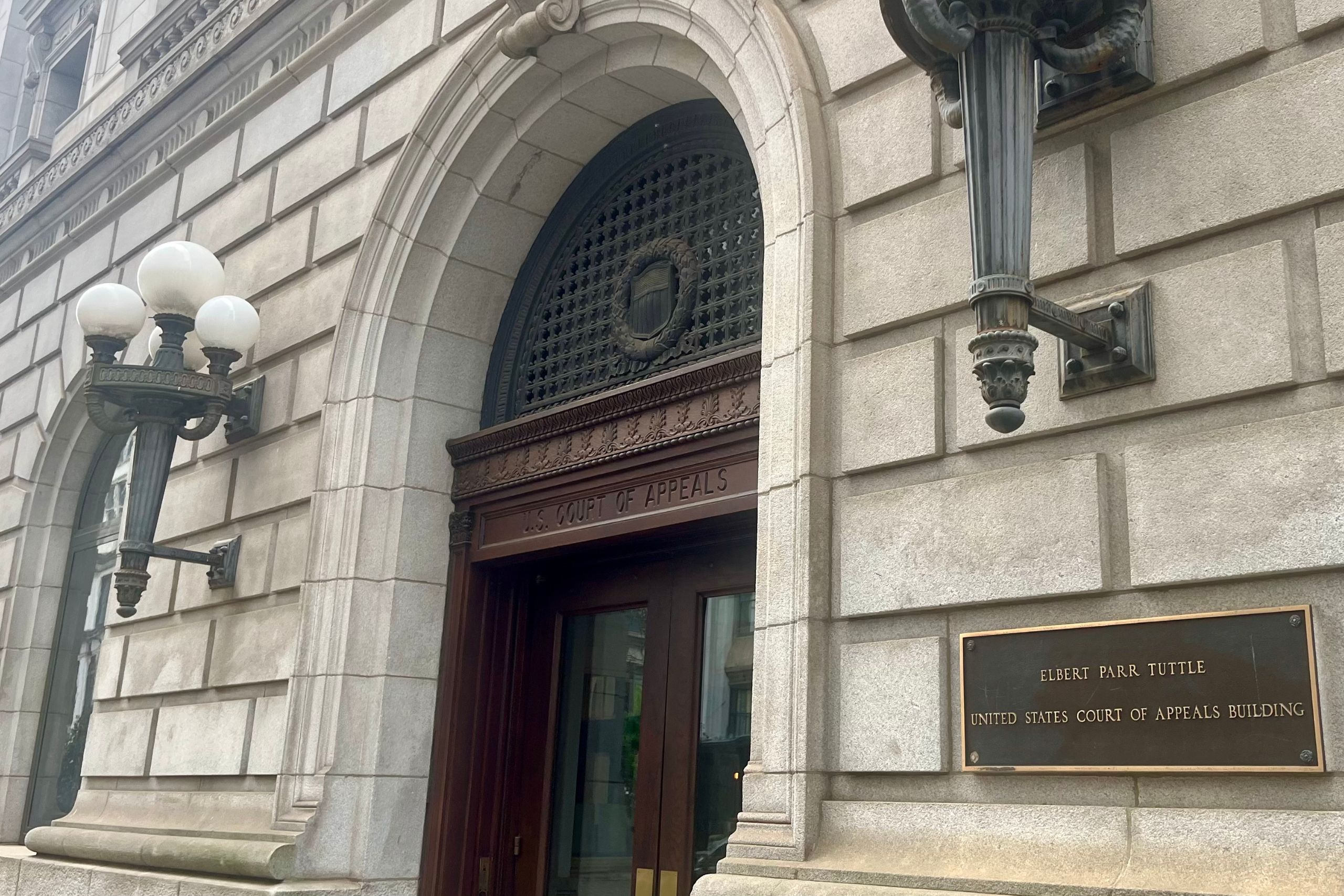
A lower court last year decided recent policy changes and improvements did not merit termination of a legal agreement implemented to improve Georgia’s foster care system.ATLANTA (CN) — The courtroom battle to terminate a 20-year-old legal agreement laying out standards for improving the Peach State’s foster care system is likely headed for a rematch after a Wednesday hearing before an 11th Circuit panel.Georgia’s solicitor general argued the consent decree entered by the state in 2005 to improve conditions for foster kids unfairly binds current government officials to the policy decisions of their predecessors despite changes to state law and improvements to the child welfare system.U.S. District Judge Thomas Thrash Jr. rejected state officials’ motions to terminate the decree last year, ruling the basic purpose of the agreement had not yet been satisfied and that officials were not meeting outcome measures, including a measure requiring that abuse investigations begin within 24 hours of being reported.The panel indicated the state is unlikely to receive an answer from the appellate court on whether the agreement should stand. Instead, two judges of the three-judge panel took issue with how Thrash reached his conclusion.Chief U.S. Circuit Judge William Pryor bluntly said Thrash was “absolutely wrong” in finding a legal framework laid out by the U.S. Supreme Court in its 2009 Horne v. Floresdecision did not apply to the case. The high court held in Horne that continued enforcement of an institutional reform judgment is inequitable when a state is no longer in violation of federal law.However, the George W. Bush appointee added the appellate court could not “micromanage what the district court does” or unilaterally terminate the decree.Trump-appointed U.S. Circuit Judge Barbara Lagoa agreed, saying, “For me, this is an easy case. The district court judge applied the incorrect legal standard and they need to go apply the correct legal standard.”In the likely event that the case is sent back to Georgia federal court, the state will have what Pryor referred to as a clean slate to again seek termination of the agreement.The consent decree came about after a class of children in foster care in two metro Atlanta counties filed a 2002 lawsuit claiming severe neglect and mistreatment. The plaintiffs demanded declaratory and injunctive relief from local and state agencies and officials for violations of three federal laws and their Constitutional rights.The parties negotiated the consent decree to end the case. It was not based on any finding or admission that Georgia violated any federal law.The agreement includes 31 outcome measures for officials to meet which are intended to measure the foundational elements of the child welfare system. Measures include requirements for completing CPS investigations, timelines for adoption finalization, limitations on how often children can be moved to new foster care placements and guidelines for familial visitation.According to the Georgia Department of Human Services division of Family and Children Services, there were 9,306 children in Georgia’s foster care system during the 2026 state fiscal year.Georgia’s foster care system has long been plagued by issues like overloaded caseworkers, children residing in hotels, rising costs, a major budget deficit and was even the focus of a U.S. Senate investigation.But Georgia Solicitor General John Thompson told the panel recent legal changes and new policies have made continued enforcement of the decree inequitable.“Over the last two decades, legislative agency reforms have transformed Georgia’s foster care system,” Thompson said, arguing the state should be allowed to remove its programs from federal oversight.Thompson referenced a raft of “robust” changes — including the 2022 creation of a sub-agency to fight denials of medically necessary care for foster children — as evidence of “real, on the ground change” the state could point to as evidence of its compliance.Arguing on behalf of the plaintiffs, attorney Frank Lowrey of Bondurant Mixson & Elmore reminded the panel that Thrash found the state “failed to achieve the fundamental purposes of the decree” related to health, safety, abuse investigations and the mental and physical health care of children.However, Lowrey conceded the case was likely to be remanded back to federal court for new proceedings.Lagoa and Pryor were joined on the panel by U.S. Circuit Judge Embry Kidd, an appointee of Joe Biden. The panel did not signal when it would issue a decision in the case.Subscribe to our free newslettersOur weekly newsletter Closing Arguments offers the latest about ongoing trials, major litigation and rulings in courthouses around the U.S. and the world, while the monthly Under the Lights dishes the legal dirt from Hollywood, sports, Big Tech and the arts.Additional Reads
11th Circuit poised to punt Georgia foster care oversight dispute back to federal court
Full Article
Original Source
Read the full article at Courthousenews →KhanList aggregates and links to publicly available news content. We do not host full articles from third-party sources. Always verify important information with original sources.