
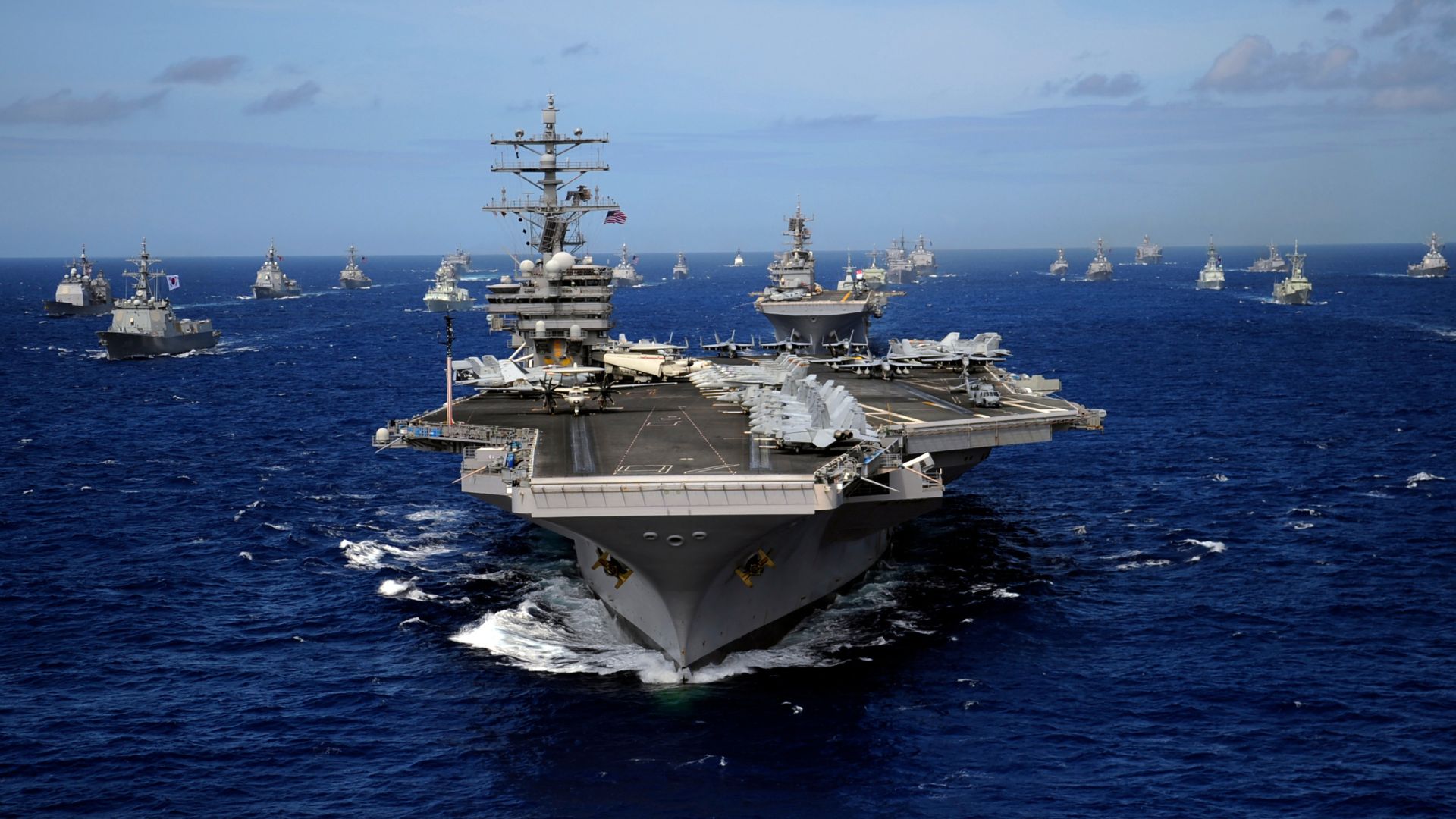
The U.S. Navy has returned the aircraft carrier USS Ronald Reagan to its operational fleet after the ship completed an extensive maintenance and modernization program at Puget Sound Naval Shipyard in Washington.The Nimitz-class nuclear-powered carrier spent about 18 months undergoing a Docked Planned Incremental Availability. The major maintenance period intended to repair critical systems, upgrade equipment and prepare the ship for future operations. The Navy confirmed that the carrier had completed the work and returned to the fleet in September 2026. Key maintenance for large nuclear-powered aircraft carriers The overhaul involved a wide range of work across the ship. Among the areas addressed were the carrier’s hull, flight deck, reactor-related systems and combat capabilities. Improvements were also made to crew living and working areas.Such maintenance periods are particularly important for large nuclear-powered aircraft carriers because of the complexity of their propulsion, aviation, weapons and support systems. The work is designed not only to repair equipment but also to keep the carrier capable of supporting future deployments.The latest availability was the first DPIA for Ronald Reagan since 2012. The carrier entered the maintenance period in March 2025 and subsequently underwent testing at sea after leaving the shipyard in early September 2026.USS Ronald Reagan entered service in 2003 and is the second-youngest member of the Navy’s 10-ship Nimitz-class carrier fleet.The carrier has a long history of operations in the Indo-Pacific. From 2015, it served as the U.S. Navy’s forward-deployed aircraft carrier based at Yokosuka, Japan. Its role included operations with U.S. forces and exercises with regional allies and partners.Before returning to the United States, Ronald Reagan participated in operations across the Indo-Pacific. In 2024, for example, the carrier took part in Exercise Valiant Shield, a major multinational exercise involving U.S. forces and Japan’s Self-Defense Forces. The completion of Ronald Reagan’s overhaul restores a major aircraft carrier to the Navy’s available force after an extended period in the shipyard.For the Navy, maintaining older Nimitz-class carriers while introducing the newer Ford-class ships is an ongoing part of fleet management. Ronald Reagan’s return therefore comes during a period of transition in both the carrier fleet and the infrastructure supporting it. Modernization is key to keep large naval vessels operational The carrier’s next deployment has not been announced. For now, the completion of sea trials and maintenance marks the end of a lengthy period of shipyard work and the beginning of Ronald Reagan’s next phase of service with the U.S. Navy.The carrier’s return also highlights the continuing importance of maintenance and modernization in keeping large naval vessels operational decades after their commissioning.Ronald Reagan can have approximately 5,000 sailors aboard when deployed. The recent maintenance program therefore involved not only technical work on the vessel but also improvements to spaces used by the crew.USS Ronald Reagan entered service in 2003 and is the second-youngest member of the Navy’s 10-ship Nimitz-class carrier fleet.The carrier has a long history of operations in the Indo-Pacific. From 2015, it served as the U.S. Navy’s forward-deployed aircraft carrier based at Yokosuka, Japan. Its role included operations with U.S. forces and exercises with regional allies and partners.Get the latest in engineering, tech, space & science - delivered daily to your inbox.Prabhat, an alumnus of the Indian Institute of Mass Communication, is a tech and defense journalist. While he enjoys writing on modern weapons and emerging tech, he has also reported on global politics and business. He has been previously associated with well-known media houses, including the International Business Times (Singapore Edition) and ANI.
1,00,000-ton US aircraft carrier returns to fleet, critical systems upgraded to boost battle readiness
Full Article
Original Source
Read the full article at Interestingengineering →KhanList aggregates and links to publicly available news content. We do not host full articles from third-party sources. Always verify important information with original sources.