
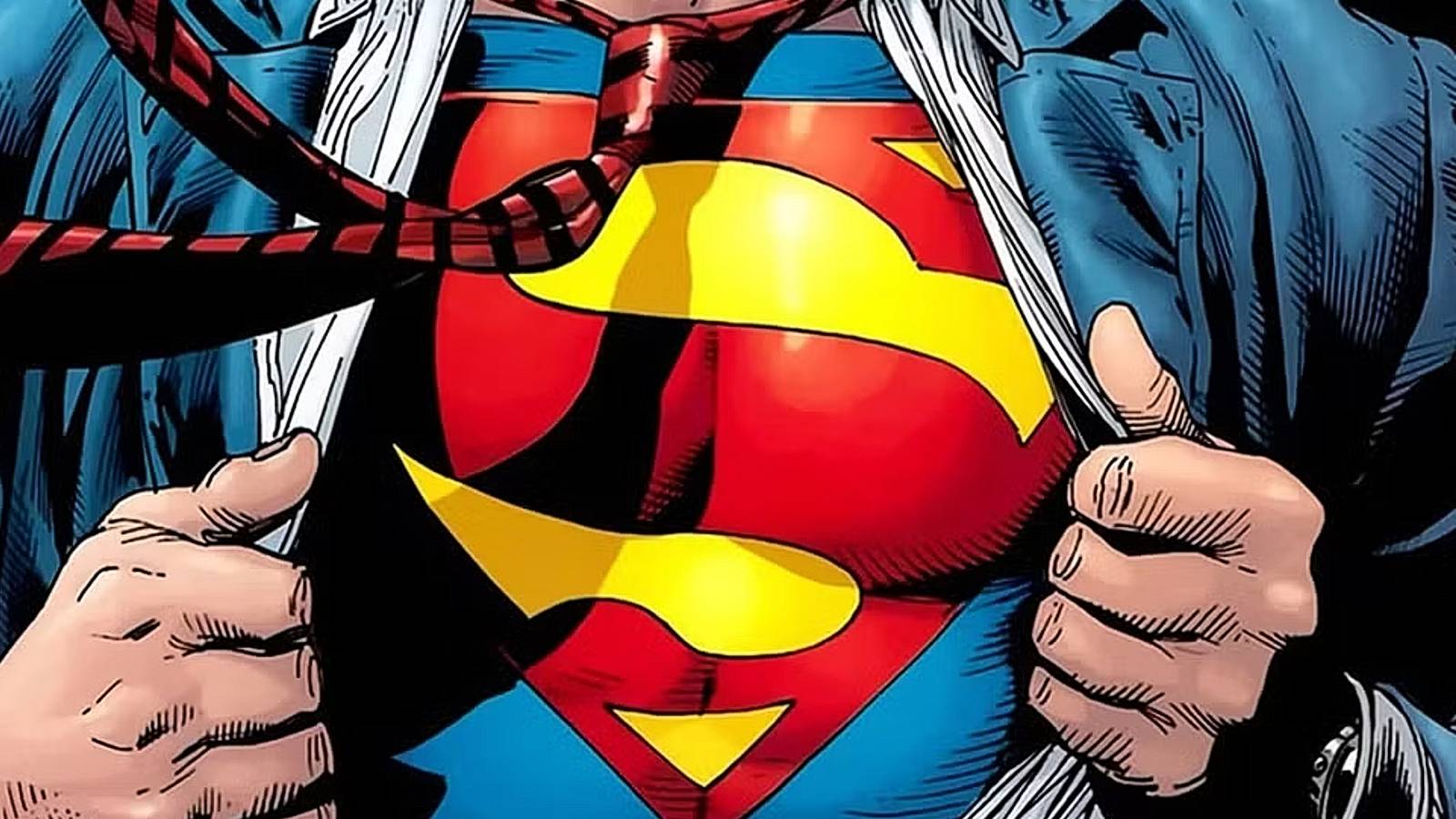
Superman isn’t just DC’s premier superhero; he is the blueprint for many other iconic heroes that are now staples of pop culture. He is the ultimate superhero archetype and a shining symbol of hope, selflessness, and boundless power. However, despite being one of the most recognisable figures on Earth, casual audiences often misunderstand him. The Man of Steel isn’t an all-powerful, uninteresting “boy scout”; he is a complex character with a rich history, and what makes him compelling is not his invulnerability or super-strength but his profound humanity. Superman is a man with godlike abilities who chooses to serve those in need, showing humans an ideal to strive toward. To fully appreciate Superman as a character, every DC fan should read certain stories. Nonetheless, navigating decades of comic book history can be daunting for fans eager to dive into the hero’s vast world. This article makes that easier by highlighting 10 of the greatest Superman stories every DC fan should read. Writer Kurt Busiek and artist Stuart Immonen’s Superman: Secret Identity is one of the greatest alternate-universe Superman stories, offering a fresh, interesting perspective on the Superman tale. Set in a world much like our own, it follows Clark Kent, a quiet teenager who shares Superman’s name, in a world where Superman is a fictional comic book hero. His world transforms dramatically when he unexpectedly develops the same powers as the fictional character. By chronicling the young man’s journey into a genuine superhero, the story explores themes of ageing, legacy, identity, and responsibility. Busiek emphasises that true heroism comes from humanity and personal connections, not superpowers. Immonen’s painterly artwork beautifully grounds every scene, capturing the awe and isolation of carrying superhuman abilities in an ordinary, realistic world. Few stories test the case for Superman as boldly as this one, using the world’s need for a hero like him to drive one of the character’s most daring reinterpretations. 9 Superman: Birthright Reimagines Clark Kent’s Journey From Smallville to Metropolis Superman: Birthright features one of Superman’s best origin stories to date. Mark Waid and Francis Yu’s 12-issue masterpiece is the definitive Superman origin story for the modern age. The story does a fantastic job of showing how Superman came into his own and became the man he is today, along with all the mistakes he made along the way. The book is masterfully drawn, featuring stellar artwork and amazing characterisation for Clark Kent while expanding the Superman mythos with some of the best world-building and creative choices in DC Comics. It gives Krypton’s tragic end an emotional payoff unlike any other, cementing itself as Superman’s best modern origin. 8 Kingdom Come Asks What Happens When the World No Longer Wants Superman’s Kind of Heroism Crafted by writer Mark Waid and painter Alex Ross, the 1996 Elseworlds masterpiece Kingdom Come presents a chilling vision of DC’s future: a world where traditional morality has been discarded. Decades after an ageing Superman retires to the Fortress of Solitude after a tragic loss, a new, undisciplined generation of meta-humans takes over. Led by antiheroes like Magog, these meta-humans readily execute villains, treating being a superhero as a sport and putting civilian lives in the crosshairs. The story ultimately asks what it means to be a hero. Despite their similar goals, Superman and Magog clash due to a difference in ideologies. At its core, the story interrogates the morality of killing villains. Mark Waid’s script treats the question as a challenge to the genre itself, dissecting the excess of ’90s comics to show what heroism actually demands. Alex Ross’s painted art gives that argument its weight across four issues, peeling back the layers of superhero storytelling to reveal what the costumes were always meant to stand for. 7 The Death of Superman Proves Even the World’s Greatest Hero Can Fall The epic battle between Superman and Doomsday changed everything in an era when almost every major character from Marvel and DC Comics was experiencing a major shift. Superman set the tone of the 90s shift in The Death of Superman, which featured his death at the hands of the powerful and iconic Doomsday. The Death of Superman turned a comic book storyline into front-page news. Pitting the Man of Steel against the unstoppable Doomsday, with Metropolis and Earth at stake, the story ends with Superman winning the fight and ultimately dies as a result. He returned, as everyone knew he would, but the shock landed anyway, and the story became the blueprint for every “Death of” event that followed. 6 Superman: Red Son Turns the Man of Steel Into the Soviet Union’s Greatest Weapon Written by Mark Millar with art by Dave Johnson and Kilian Plunkett, the 2003 Elseworlds miniseries Superman: Red Son introduces interesting new ideas and dynamics by having Kal-El land in communist Russia as a child rather than Smallville. Raised on a collective farm, the Last Son of Krypton grows up to champion Joseph Stalin and communist ideals. Here, Superman is cold and brutal, but he isn’t a straight-up villain. Millar presents him as a genuinely well-intentioned hero who sincerely believes state-controlled authority is the key to universal peace and order. After succeeding Stalin as leader of the USSR, he transforms the nation into a crime-free paradise by eradicating free will, establishing global surveillance, and brainwashing political dissidents. Red Son serves as a fascinating political allegory and character study, demonstrating that even with the best intentions, absolute power paired with absolute control leads down a dangerous, tyrannical path. It introduces interesting new character dynamics, framing Lex Luthor as America’s saviour bent on destroying Superman, while alternative takes on Batman, Wonder Woman, and Brainiac challenge Superman’s utopian regime. 5 Superman: Up in the Sky Puts His Heroism to the Ultimate Test Superman: Up in the Sky offers a gripping exploration of who Superman is and how he looks at the world. Despite Tom King’s reputation as a divisive figure in DC, he crafted a masterpiece storyline that truly understands Superman as a character. In the story, Superman journeys into space after an alien attack to save a kidnapped human girl. Superman: Up in the Sky perfectly captures what makes Superman a great character who has endured for eight decades and remains popular in the modern age. The emotional core of the books comes from his perseverance in the face of impossible odds. 4 “What’s So Funny About Truth, Justice & the American Way?” Challenges Superman’s Ideals Action Comics #775’s “What’s So Funny About Truth, Justice & the American Way?” shows why Superman is the premier superhero. He is the ideal superhero for this story because he embodies the core ideals of heroism that other heroes follow. The story subjects those ideals to scrutiny, and Superman shows why they continue to endure. When the story introduces the villain Manchester Black, it uses him to question the effectiveness of heroes’ methods against evil. The story asks whether Superman’s moral compass can stand up to crime, and Superman’s answer is poignant, showing why his brand of heroism has never gone out of date. 3 Superman: For All Seasons Reminds Readers What Makes Clark Kent Special Written by Jeph Loeb and drawn by Tim Sale, the four-issue 1998 miniseries Superman: For All Seasons offers a poetic, pastoral take on Clark Kent’s formative years. Structured around the four seasons, each chapter is narrated by a key figure in Clark’s life: Jonathan Kent, Lois Lane, Lex Luthor, and Lana Lang. The duo brings the same creative genius behind the creation and success of Batman: The Long Halloween and Daredevil: Yellow to a deeply personal story about Clark Kent. The series follows a young man wrestling with extraordinary abilities while staying firmly rooted in the moral foundation his parents laid. Its heavy focus on Clark Kent, rather than large-scale battles, helps readers get acquainted with the character and inadvertently turns them into bona fide fans. Superman: For All Seasons remains a timeless, evocative masterpiece, reminding readers that the Man of Steel’s ultimate strength lies in his profound, unshakeable humanity. 2 Whatever Happened to the Man of Tomorrow? Gives the Silver Age Superman a Perfect Farewell Whatever Happened to the Man of Tomorrow? Is a brilliantly crafted farewell to Silver Age Superman, providing fans with something rarely seen in Superhero comics: an ending. Told from Lois Lane’s perspective, the story recounts Superman’s showdown with his rogues’ gallery and his retirement, ten years after his death. In this one-shot, the legendary Alan Moore ties up a couple of loose plot threads and pays homage to the Silver Age of comics before the reboot of the DC universe in Infinite Crisis. The story includes all the essential elements of a Superman tale, showing what makes him so compelling while also influencing future Superman stories. 1 All-Star Superman Shows Superman at His Absolute Best Grant Morrison and Frank Quitely’s All-Star Superman offers a haunting, thought-provoking farewell to the Man of Steel and explores what that means for the world on and off the page. In the story, Superman is dying and embarks on a series of tasks to be fulfilled before his eventual death. Across twelve issues, All-Star Superman delivers a moving love letter to the hero, exploring every corner of his iconic history. Superman confronts villains like Lex Luthor, Bizarro, and Parasite while working to protect the world after his own death. It masterfully explores Superman’s societal importance and doubles as essential reading for DC fans. Created By Joe Shuster, Jerry Siegel First Appearance Action Comics Alias Kal-El, Clark Kent, Jonathan Kent Alliance Justice League, Superman Family
10 Greatest Superman Stories That Every DC Fan Should Read
Full Article
Original Source
Read the full article at Screenrant →KhanList aggregates and links to publicly available news content. We do not host full articles from third-party sources. Always verify important information with original sources.