
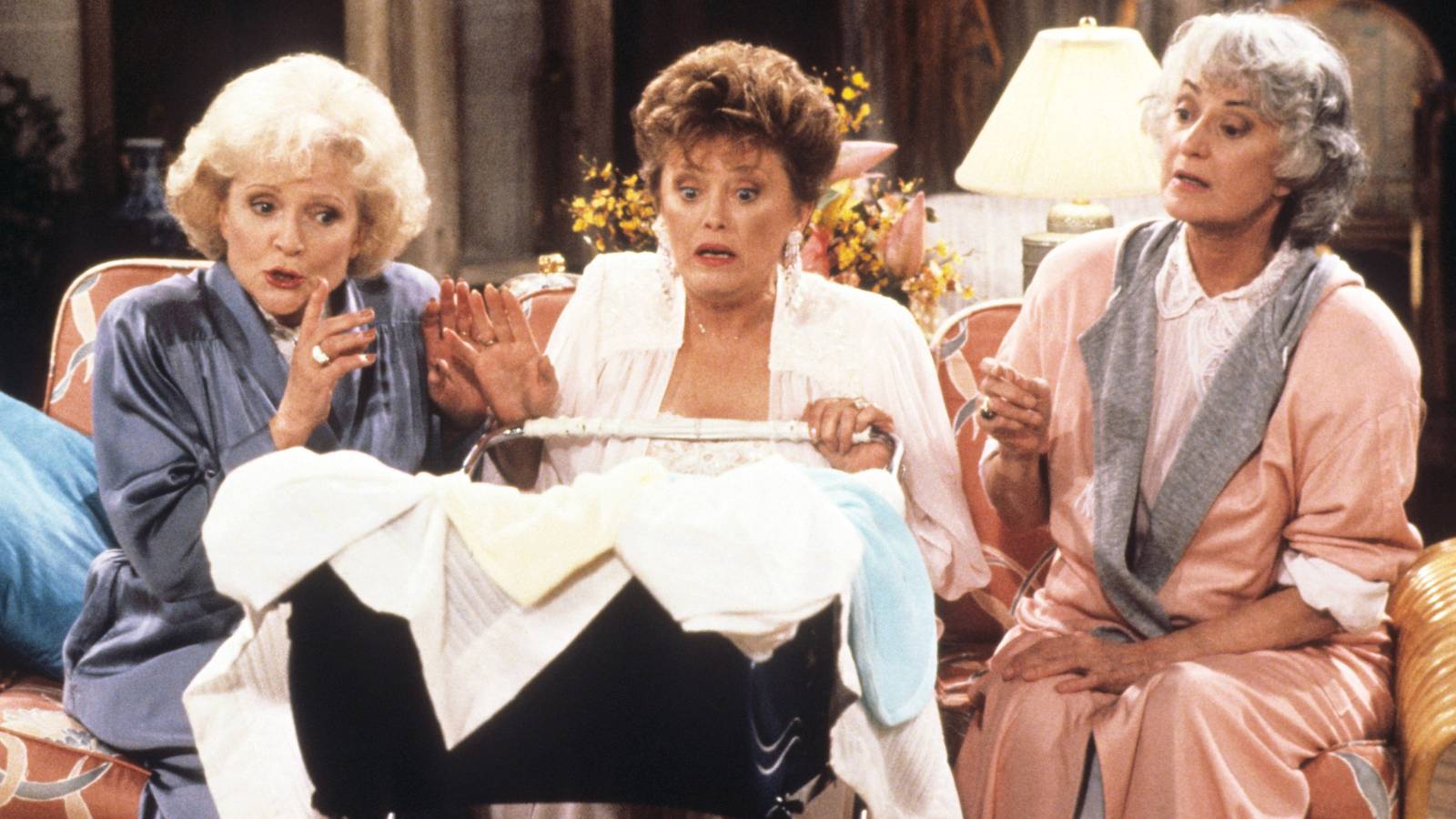
The best sitcoms of the 1980s weren't necessarily the ones that adhered to convention. In the '80s, the television landscape was still largely dominated by the Big Three broadcast networks (ABC, CBS, and NBC), multi-camera productions, and traditional family sitcoms. However, some of the decade's most innovative comedies anticipated the format's evolution in the ‘90s. From cinematic single-camera storytelling and morally questionable protagonists to surrealism, genre experimentation, and meta-humor, these sitcoms embraced creative approaches that would become considerably more prevalent in the 21st century. Other sitcoms were ahead of their time with their subject matter and characterization. They challenged societal expectations about gender, race, sexuality, and age, expanding the possibilities for what kinds of stories sitcoms could tell and whose experiences were worth exploring on TV. Unfortunately, being ahead of one's time doesn't always lead to commercial success. While some of the decade's most progressive sitcoms became enormously popular, others earned critical acclaim but struggled to find an audience during their original run. Hindsight lets modern audiences appreciate just how prescient these sitcoms were, particularly when viewed in the context of contemporary television comedy. What once seemed unconventional, or even commercially unviable, might feel remarkably familiar to audiences today. Who’s The Boss? (1984-1992) Image via Everett Collection Who's the Boss? challenged traditional gender roles through its very premise, with its title playfully questioning conventional household power dynamics. Angela is a successful advertising executive and the breadwinner, while Tony manages the household and helps support and guide their respective children, Jonathan and Samantha. The sitcom also challenged contemporary stereotypes of working-class Italian-American men as macho and unsophisticated. Tony is sensitive, intelligent, and domestically inclined without sacrificing his athleticism or street smarts. His masculinity and nurturing nature are never mutually exclusive. Meanwhile, Angela's spirited mother, Mona Robinson, challenges another set of societal expectations. Her unapologetic sexuality and active dating life defy the notion that women become romantically irrelevant as they age. While Who's the Boss? largely adheres to conventional sitcom storytelling, its progressive characterization of three generations makes it remarkably forward-thinking. Square Pegs (1982-1983) Image via Everett Collection Square Pegs offered an unusually authentic depiction of teenage life before John Hughes' coming-of-age comedies became synonymous with the 1980s. The sitcom follows an eclectic group of eight high school freshmen navigating the complexities of teenage social hierarchy. Among them is Patty Greene (Sarah Jessica Parker), an intelligent and seemingly well-adjusted teenager who feels painfully awkward around her more popular peers. Created by former Saturday Night Live writer Anne Beatts, Square Pegs earned critical acclaim for its understanding of contemporary youth culture and the insecurities that accompany adolescence. Rather than presenting teenage experiences through an adult perspective, the sitcom takes its characters' seemingly trivial social concerns seriously without sacrificing humor. Canceled after just one season, Square Pegs was one of the most underrated '80s sitcoms and a forerunner of later coming-of-age comedies like Freaks and Geeks, which similarly find humor and humanity in the uncomfortable experiences of adolescent outsiders. Murphy Brown (1988-1998) Murphy Brown centered on an unapologetically ambitious, complicated female protagonist whose professional accomplishments weren't treated as secondary to her romantic prospects. Candice Bergen's titular investigative journalist was intelligent, outspoken, and frequently difficult, challenging the expectation that female sitcom protagonists needed to be conventionally likable to resonate with audiences. The workplace sitcom's engagement with real-world politics and media culture inspired the sophisticated satire of modern comedies like 30 Rock and Veep. The lines between fiction and reality blurred when Murphy's decision to become a single mother sparked a national backlash. Rather than suggesting that professional success and motherhood were mutually exclusive, Murphy Brown challenged contemporary expectations surrounding both. While the sitcom was enormously successful during its original run, its willingness to engage with contentious social issues and embrace a flawed, fiercely independent female protagonist feels particularly compatible with modern television sensibilities. Red Dwarf (1988-1999) The British sitcom Red Dwarf was ahead of its time, balancing science fiction's intellectual ambitions within a workplace comedy. Set three million years in the future, the series follows humanity's apparent sole survivor whose unlikely companions include a hologram of his former bunkmate and a humanoid descended from his pet cat. Rather than simply using its futuristic setting as a source of comedic material, Red Dwarf takes the philosophical questions posed by science fiction seriously. The sitcom explores existentialism, artificial intelligence, loneliness, and the nature of human identity through increasingly absurd scenarios. Its ability to juxtapose intellectually stimulating science-fiction concepts with petty interpersonal conflicts is reflected in today’s animated sci-fi comedies like Futurama and Rick and Morty. Even decades later, Red Dwarf is a perfect blend of sci-fi and comedy. The Young Ones (1982-1984) Image via Everett Collection The British sitcom The Young Ones seemed determined to break every established rule of the genre. Following four university students sharing a house, the series took a relatively conventional sitcom premise and executed it in spectacularly unconventional fashion. Its anarchic sense of humor combined surrealism, slapstick, political satire, and frequent fourth-wall breaks. The Young Ones incorporated sketch comedy elements, including seemingly unrelated cutaways and musical performances, while retaining the recurring characters and central premise of a sitcom. Narrative logic was routinely sacrificed in service of a joke, making the series delightfully unpredictable. Its countercultural attitude and experimental comedy would flourish decades later on Adult Swim. At a time when sitcoms largely adhered to familiar storytelling structures, The Young Ones demonstrated the comedic potential of dismantling those conventions altogether. Buffalo Bill (1983-1984) Image via Everett Collection Decades before TV antiheroes were everywhere, Buffalo Bill built an entire sitcom around an unapologetically unpleasant protagonist. The series follows the misadventures of Bill Bittinger (Dabney Coleman), an egotistical talk show host at a small television station in Buffalo, New York, and his long-suffering colleagues, played by an ensemble that includes Geena Davis and Joanna Cassidy. Unlike conventional sitcom protagonists whose character flaws were tempered by redeeming qualities, Bill was frequently manipulative, insensitive, and spectacularly self-serving. Much of the comedy stemmed from the discrepancy between Bill's inflated sense of self-importance and his actual professional standing. Although critically acclaimed, Buffalo Bill struggled to attract viewers and was canceled after two seasons. Its willingness to make an objectionable character the centerpiece of a workplace comedy predicted shows like The Office and It's Always Sunny in Philadelphia, making its approach considerably less alienating to modern audiences. Frank’s Place (1987-1988) Image via Everett Collection Frank's Place predicted modern prestige television comedy decades before the format became commonplace. The series follows Frank Parrish (Tim Reid), a Boston professor who inherits his father's New Orleans restaurant, immersing himself in the city's distinctive Creole culture. At the time, network sitcoms were largely defined by multi-cam productions and studio audiences; Frank's Place used cinematic single-camera storytelling without a laugh track. The series was equally comfortable embracing humor and drama, allowing its subject matter and the realities of Black life in America to dictate its tone rather than adhering to a rigid sitcom formula. Despite earning considerable critical acclaim, Frank's Place was canceled after just one season, making it one of the many excellent sitcoms canceled too soon. Its creative ambitions and cultural authenticity would have been right at home in the television landscape that produced Donald Glover's Atlanta. Police Squad! (1982) Created by David Zucker, Jim Abrahams, and Jerry Zucker, Police Squad! was a brilliantly absurd spoof of police procedurals starring Leslie Nielsen as the deadpan Detective Frank Drebin. Its relentless barrage of sight gags, wordplay, and absurdist humor rewarded attentive viewing, with some of its funniest jokes unfolding in the background. The sitcom's comedic approach was particularly prescient, with densely layered humor and genre deconstruction of modern comedies like Angie Tribeca. However, its unconventional sensibilities failed to resonate with audiences in 1982, resulting in its cancellation after just six episodes. The creative team's approach was subsequently vindicated by the commercial success of the Naked Gun film franchise, which brought Drebin and the sitcom's distinctive brand of humor to the big screen. Few prematurely canceled sitcoms have had their comedic potential so thoroughly validated. The Golden Girls (1985-1992) Image via MovieStillsDB The Golden Girls was ahead of its time, challenging television's traditional demographic assumptions by centering on the friendships, independence, and romantic lives of four older women. Rather than relegating older female characters to supporting roles as mothers or grandmothers, the sitcom portrayed its protagonists as multidimensional individuals with active social lives, sexual desires, and aspirations. Beyond its groundbreaking premise, The Golden Girls addressed social issues with remarkable sensitivity and sophistication. The sitcom tackled LGBTQ+ rights, HIV/AIDS, ageism, and economic insecurity without sacrificing its signature wit. Its depiction of female friendship as an enduring and fulfilling relationship in its own right also anticipated the sensibilities of modern comedies like Grace and Frankie. While The Golden Girls was immensely popular during its original run, its enduring multi-generational appeal demonstrates how forward-thinking it was. Decades later, younger audiences continue to discover and identify with its characters. It's Garry Shandling's Show (1986-1990) Image via Everett Collection It's Garry Shandling's Show was one of the '80s shows that fundamentally reimagined what television could be by turning the medium's conventions into the very subject of its comedy. Garry Shandling plays a fictionalized version of himself who is fully aware that he's the protagonist of a television sitcom, routinely breaking the fourth wall and interacting with the studio audience. Even the sitcom's self-referential theme song points out television's artificiality. Rather than treating fourth-wall breaks as an occasional comedic device, the series made its characters' awareness of the medium integral to its storytelling, finding humor in everything from narrative contrivances to production logistics. Decades before meta-humor became a defining characteristic of sophisticated sitcoms like Community and 30 Rock, It's Garry Shandling's Show demonstrated how familiarity with television conventions could enrich the viewing experience. Its remarkably inventive approach remains fresh, even by modern comedic standards.
10 1980s Sitcoms That Were Ahead Of Their Time
Full Article
Original Source
Read the full article at Screenrant →KhanList aggregates and links to publicly available news content. We do not host full articles from third-party sources. Always verify important information with original sources.